
Lieferung heute & morgen

Qualitätsgarantie

Willkommens-Angebote freischalten: KOSTENLOSE Lieferung | Bis zu 80 % RABATT | Kostenlose 30-Tage-JoyPlus-Testphase
App herunterladen
Sun exposure can leave your skin feeling dry, tight or warm. A suitable after-sun lotion supports your daily moisturising routine after sunbathing and can be chosen according to texture, skin type and area of application. It's worth taking a close look at the product details: not every cooling after-sun lotion is suitable for sensitive skin, and a large bottle isn't automatically the most economical choice.
A cooling sensation often comes from certain ingredients, a light gel texture or volatile components. This can feel pleasant, but on its own it says little about how well the product moisturises. If you have dry skin, you should also look for glycerin, panthenol, hyaluronic acid, aloe vera juice or nourishing lipids.
Fragrance, essential oils, alcohol or declared allergens can be undesirable for sensitive or sun-stressed skin. The full INCI list on the packaging is therefore more important than a flashy marketing claim. If you have a known sensitivity to fragrance, it's best to choose a product with a short, low-irritant formula.
Many products claim to prolong or intensify your tan. Such statements usually refer to the cared-for skin surface and the product's positioning. An after-sun product neither replaces sun protection nor does it automatically alter your skin's natural reaction. If you have redness, blisters, broken skin or severe pain, do not apply ordinary cosmetics and seek medical advice if necessary.
For moisturising after-sun care, humectants such as glycerin, sodium PCA or hyaluronic acid are relevant. Panthenol and allantoin are often used in soothing sun care. Shea butter, squalane or plant oils can complement your skincare routine.
For after-sun for sensitive skin, you should pay particular attention to the following details:
The product description is no substitute for checking the actual packaging. Formulations can change.
For families or regular use, 400 ml is often more practical than 150 or 200 ml. Smaller packs are good for travel or trying out a product. Compare the price per 100 ml, not just the total price. After-sun care should be applied to clean, dry skin after showering and reapplied as needed.
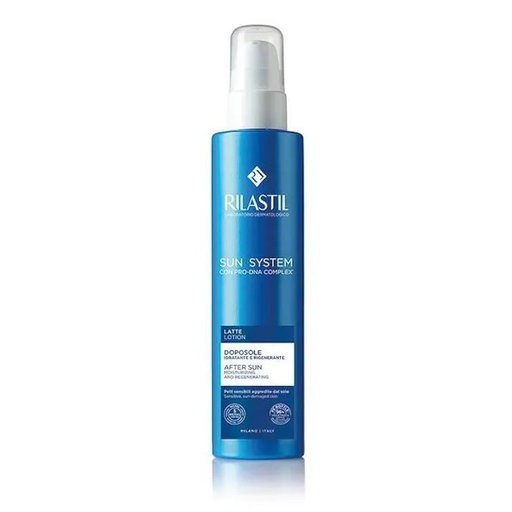
Why this product fits the profile: The 200 ml size is manageable and suitable for regular use after sunbathing. The product details mention a hypoallergenic formulation with glycerin, panthenol, allantoin and sodium hyaluronate.
The milk texture combines broad application with several humectants. Check the current ingredients list before buying, as fragrance is listed.
200 ml; stated hypoallergenic formulation; intended for face and body.
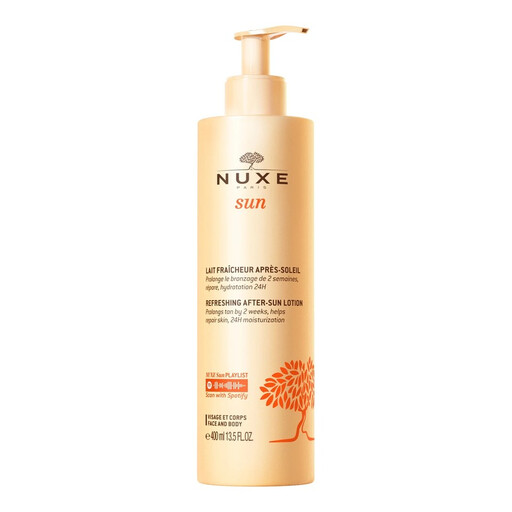
Why this product fits the profile: The 400 ml size is suitable for face and body, as well as for households with frequent use. According to the brand, the lotion contains 97% naturally derived ingredients and is non-comedogenic.
The larger volume reduces the need for frequent repurchasing. As fragrance and potential fragrance allergens are listed, sensitive individuals should check the INCI list.
400 ml; silky, light texture according to the product description; intended for face and body.
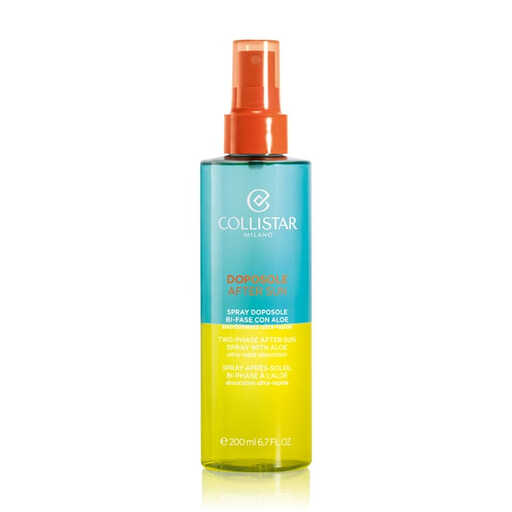
Why this product fits the profile: The two-phase spray is ideal for those who prefer quick and easy application. According to the product description, it can be used on face, body and hair; it must be shaken before each use.
The spray format makes it easier to apply to hard-to-reach areas. Note the listed alcohol, fragrance and the flammability warning.
200 ml; two-phase formula; according to the product details, contains aloe, calendula, macadamia and almond oil.
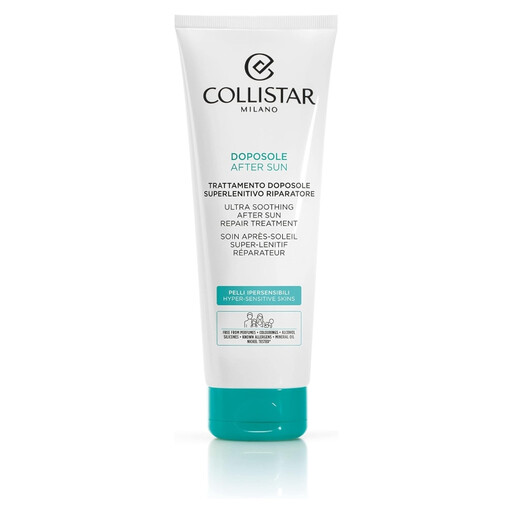
Why this product fits the profile: The product description states a fragrance-free and alcohol-free formulation for face and body. Ceramides, panthenol, shea butter and sodium hyaluronate are listed in the ingredients.
The absence of fragrance and alcohol addresses two common selection issues for sensitive skin. For children, individual tolerance should still be tested on a small area first.
250 ml; according to the product description, fragrance-free, silicone-free and alcohol-free; with ceramides in the INCI list.
Apply your after-sun care generously to clean, dry skin after showering or washing. With sprays, do not point the nozzle towards your eyes or face. A lotion can be used several times a day, provided your skin tolerates it.
Keep the packaging closed, store it in a cool place and protect it from direct sunlight. Observe the best-before date, batch number and the printed shelf life after opening. An after-sun lotion is not a substitute for sunscreen and should not be applied to severely sunburned, open or broken skin.
We've put together a full, regularly updated list of products that fully meet these strict selection criteria and the safety regulations in force in the EU.
An after-sun lotion is positioned for caring for sun-stressed skin and, depending on the product, contains additional cooling, moisturising or nourishing ingredients. A regular body lotion can also provide moisture, but it may not be tailored to the needs of skin after sunbathing.
The symbol on the packaging is what matters, for example 12M. This means the product should be used within twelve months of opening. If the smell, colour or consistency changes, the product should no longer be used.
That depends on the product labelling. Some products are expressly intended for face and body, others only for the body. For after-sun for face and body, you should avoid the eye area and, if you have sensitive facial skin, test a small amount first.