What should you look for when buying?
When choosing an afternoon snack bar, your own dietary requirements determine which information on the pack to check first. A ‘gluten-free’ claim and a check for other allergens serve different purposes.
| What you need |
What to check when buying |
Who it matters to |
| Specific allergens |
Compare the current ingredients list, highlighted allergens and possible traces with your personal list of substances to avoid. |
If I need to avoid a particular allergen, I want to know whether it’s listed as an ingredient or as a possible trace. Around 42% of consumers put this personal allergen check first. |
| Gluten-free labelling |
Look for an explicit ‘gluten-free’ claim and check separately for any other relevant allergens. |
If I have coeliac disease, I don’t want to rely solely on an ingredients list that doesn’t appear to contain wheat. That’s why around 33% of consumers prioritise an explicit gluten-free claim. |
| Other ingredient preferences |
Compare claims such as ‘vegan’ with the ingredients list. If you’re shopping online, check the information on the pack you receive. |
I want to take a particular ingredient preference into account when choosing an afternoon snack, without assuming that this means the bar is suitable for someone with an allergy. For around 25% of consumers, this kind of dietary preference comes first. |
Brands to help guide your choice
No brands are listed here.
Snack bars for gluten-conscious choices
This wafer bar is one to consider when narrowing down your options for an afternoon snack if you need to avoid gluten. Check the information on the current pack to see whether it fits your personal list of substances to avoid.
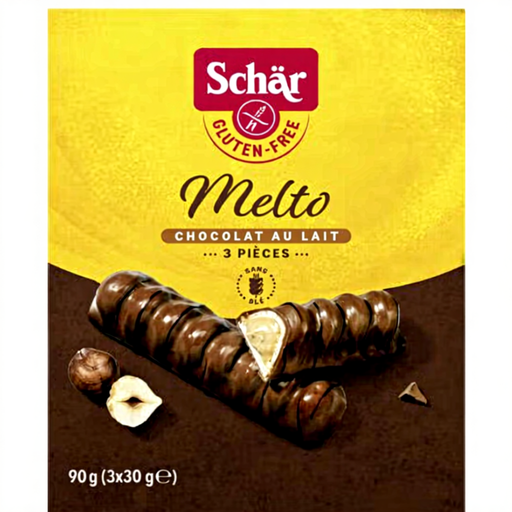 Image unavailable
Schär Melto Gluten-Free hazelnut wafer bars, 3 × 30 g
If you’re choosing an afternoon snack with gluten in mind, the ‘Gluten-Free’ name is a good reason to check the relevant claim on the current pack.
Pack of three 30 g bars. Also check the ingredients and possible traces against any allergens you personally need to avoid.
View on Joybuy
Frequently asked questions
Which allergens can I identify on a snack bar pack?
The 14 major allergens that must be declared have to be identifiable and highlighted in the ingredients list, explains the German Federation for Food Law and Food Science. These include cereals containing gluten, milk, eggs, peanuts, soya, nuts and sesame. Compare the information with your own specific list of substances to avoid.
What does ‘may contain traces of nuts’ mean for my choice?
This voluntary statement refers to possible accidental traces, not a confirmed ingredient. There’s no general answer to whether a bar carrying this statement is suitable for someone with your allergy. If you’re unsure, ask a healthcare professional how to interpret the specific ‘may contain’ statement.
What does ‘gluten-free’ mean on a snack bar?
Under Commission Implementing Regulation (EU) No 828/2014, a food for consumers may carry the ‘gluten-free’ claim if it contains no more than 20 mg of gluten per kg. The claim relates to gluten; it doesn’t mean the bar is free from milk, peanuts or other allergens.
Is the ingredients information on an online listing enough before eating the bar?
Use online information to narrow down your options, then compare it with the pack you receive before eating the bar. EDEKA explicitly notes on one of its product pages that the information shown may differ from what’s on the packaging.


