For anyone keeping an eye on calories per portion
If you’re planning to have one bar as an afternoon snack, the kcal per bar figure is immediately useful. When comparing bars of different sizes, the figure per 100 g can help too.


For a calorie-conscious afternoon snack, start by checking the energy content of the amount you’ll actually eat: one bar or, if applicable, a whole pack. Then compare sugar, ingredients and allergens. A protein bar or a product labelled ‘no added sugar’ isn’t automatically the better choice if you’re looking for a lower-calorie portion.
If you’re planning to have one bar as an afternoon snack, the kcal per bar figure is immediately useful. When comparing bars of different sizes, the figure per 100 g can help too.
If you’re looking for a snack to fit around an active day, the amount of protein per bar can be another factor in your choice. Still compare calories per portion and ingredients: ‘High Protein’ alone doesn’t tell you how many calories it contains.
If you’re vegan or need to avoid certain allergens, check the specific ingredients list and any ‘may contain’ warnings. The terms ‘protein bar’ and ‘snack bar’ don’t tell you whether a product is suitable for your diet.
For an afternoon snack, start by comparing the amount you’ll actually eat and its energy content. Then check the ingredients and other nutritional values to see whether the bar meets your other requirements too.
| Criteria | What to check | Who is it relevant to? |
|---|---|---|
| Calories per portion | Check the kcal per bar you’ll eat and the bar’s weight; for comparing sizes, also look at the kcal per 100 g. | If I’m planning a small snack, I want to know how much energy it actually contains. For around 39% of consumers, calories per portion are roughly the top priority. |
| Sugar and ingredients | Check ‘of which sugars’ per portion, as well as sweeteners and any consumption advice in the ingredients and pack information. | A claim on the front of the pack isn’t enough for me if I also want to consider sugar and sweeteners. Around 23% of consumers prioritise comparing these ingredients. |
| Protein | Compare the amount of protein per bar alongside the calories per portion. | If protein matters to me in an afternoon snack, I want to know how much each bar provides without overlooking its calories. This is a top priority for around 23% of consumers. |
| Dietary requirements and allergens | Check the ingredients, highlighted allergens and any ‘may contain’ warnings on the specific pack. | If I’m vegan or need to avoid an allergen, the bar must first meet those requirements. For around 15% of consumers, this is the first thing they consider. |
‘High Protein’ or ‘no added sugar’ doesn’t tell you everything about a product’s nutritional make-up. The Consumer Advice Centre recommends checking the nutritional information even on products making these claims.
Compare the energy, sugar, fat and protein for the portion you’ll eat, and read the ingredients list before making your choice.
The figure per 100 g makes it easier to compare products. For an afternoon snack, you also need to consider the size of the bar and how much of it you’ll eat.
Check both figures. If the pack only gives values per 100 g, use the weight of an individual bar to work out the calories per portion.
The bars listed here contain different ingredients. For some products, the manufacturer also warns that eating too much may have a laxative effect.
Read the information on the specific pack before buying. If you have allergies, any ‘may contain’ warnings are also important when choosing a product.
ALDI SÜD’s ALDI SPORTS range includes Lower-Carb and High-Protein bars.
REWE PWR is a REWE range of protein bars; its Brownie bar is listed as a 45-g single bar.
MAX BALANCE is a protein bar range listed by EDEKA; the White Chocolate-Vanilla variant comes in a 50 g bar.
This selection includes bars to suit different afternoon snacking priorities: a clearly defined single portion, protein as an additional consideration, or a variant labelled vegan. Compare pack size and ingredients as well as calories per portion.
 No image available
A single-portion option for an afternoon snack: this bar weighs 50 g. Compare its calories per portion with other bars and, if you have a milk or soya allergy, check the ingredients. The product information also includes advice about excessive consumption.
 No image available
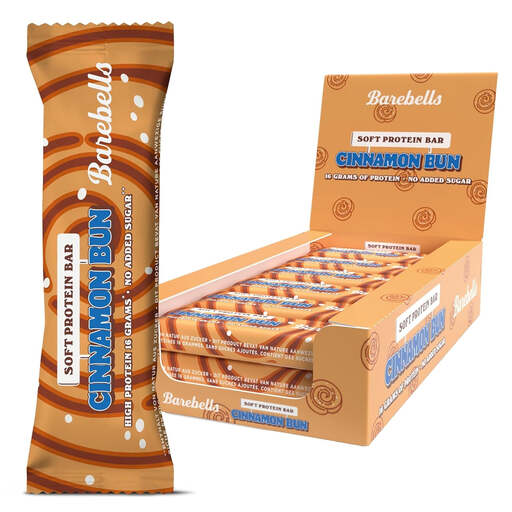
If you’re considering protein as another factor in your choice, compare the nutritional values per 55-g bar rather than for the pack of 12. If you have a milk or soya allergy, check the ingredients and any ‘may contain’ warnings.
 No image available
If you’d also like to compare protein content, this pack contains 12 bars, each weighing 55 g. Use the nutritional values per bar to help you decide. If you have a milk or soya allergy, check the ingredients and any ‘may contain’ warnings.
 No image available
For comparing a smaller single portion, this pack contains 12 bars, each weighing 45 g. Check the calories per bar and, if you have allergies, take particular care to check the ingredients. The product information lists milk, soya, hazelnuts and gluten-containing ingredients, among others.
 No image available
If you’re looking for a variant labelled vegan, this bar comes in a pack of 12, with each bar weighing 55 g. ‘Vegan’ doesn’t replace checking calories or allergens: the product information lists peanuts and wheat protein.
For an afternoon snack, what matters is the energy content of the portion you’ll actually eat. Also compare the figure per 100 g if the bars are different sizes. The German Food Federation explains this standardised nutritional value for packaged foods.
No. The protein figure alone doesn’t answer the question of calories. The Consumer Advice Centre recommends checking the full nutritional information, especially for High-Protein products. In particular, compare the energy and protein for the portion you plan to eat.
Read the ingredients list and the consumption advice for the specific product. ALDI SÜD warns that eating too much of its High-Protein Nougat bar may have a laxative effect. This warning doesn’t apply to every snack bar.
Check the ingredients list and any ‘may contain’ warnings on the specific packaging. This is particularly important if an allergen restricts your choice, as ingredients can vary even between bars in the same product category.