
Lieferung heute & morgen

Qualitätsgarantie

Willkommens-Angebote freischalten: KOSTENLOSE Lieferung | Bis zu 80 % RABATT | Kostenlose 30-Tage-JoyPlus-Testphase
App herunterladen
An AHA BHA toner can be a useful addition to your routine if cleansing alone doesn’t help reduce excess oil, blackheads or rough patches. But with so many Korean facial toners, exfoliating toners and salicylic acid toners to choose from, it’s easy to end up with the wrong product.
Three common pitfalls are worth watching out for:
AHA, such as glycolic acid or lactic acid, is generally associated with the outermost layer of the skin. An AHA toner may therefore be worth considering if your skin texture looks uneven or you have dry, rough patches. If you have sensitive skin, introduce it gradually.
BHA, often in the form of salicylic acid or betaine salicylate, is a popular choice for oily skin and skin prone to clogged pores. A BHA toner can be used as a clarifying step after cleansing. Only rely on a “2% BHA” claim if it is clearly stated on the product or in its description.
A combined AHA BHA toner contains different types of acids. It may appeal if you’re concerned about both rough texture and visible blackheads. However, it’s important to use it cautiously: don’t combine several acid products on the same evening, and take a break if you experience stinging, redness or severe dryness.
Look for Glycolic Acid, Lactic Acid, Salicylic Acid or Betaine Salicylate in the INCI list. An ingredient’s position in the list gives a rough indication of its amount, but it’s no substitute for the manufacturer’s full concentration information.
For a toner for blackheads or oily skin, BHA is often the most obvious category to consider. If your skin feels rough or looks uneven on the surface, an AHA toner may be a better fit for the step you’re looking for.
A formula containing AHA, BHA, vitamin C, niacinamide and essential oils may sound comprehensive, but it won’t necessarily suit every skin type. Check whether it also contains alcohol, fragrance or essential oils. If you have sensitive skin, simple formulas with fewer potentially irritating ingredients are often easier to assess.
Pads, such as the Celimax Cica BHA Blemish Toner Pad, are handy for controlled application. Liquid toners, on the other hand, can be applied with your hands or a cotton pad. Check:
When using AHA and BHA products, include sun protection in your daytime routine, as exfoliating acids can increase sensitivity to sunlight. Try new products on a small area of skin first.
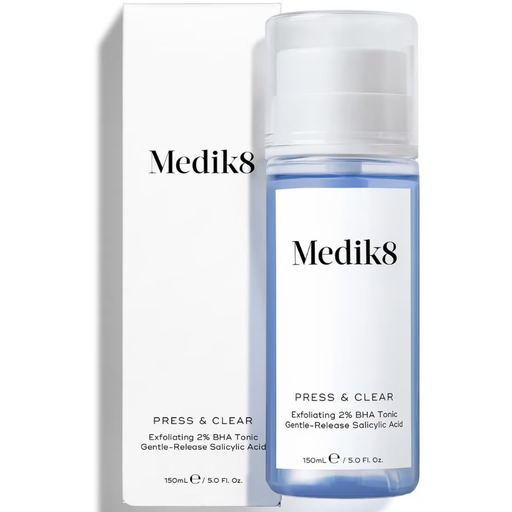
Why this product suits this profile: If you’re looking for a BHA toner with a clearly stated active ingredient concentration, the product description lists 2% encapsulated salicylic acid and 2% tranexamic acid. This toner is intended for evening use.
The stated BHA concentration makes it easier to understand what you’re choosing than relying on marketing terms such as “clarifying” or “pore-refining” alone.
2% salicylic acid, according to the product information; 150 ml; aloe vera juice and sake ferment in the ingredients list.
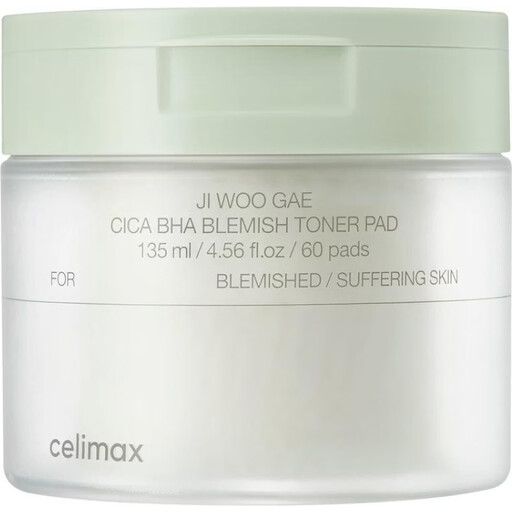
Why this product suits this profile: These pre-soaked pads are designed for quick use after cleansing. According to the product information, the formula contains Centella asiatica, panthenol and capryloyl salicylic acid, and can also be applied to specific areas of the skin.
Using one pad at a time makes it easier to control the amount and helps prevent you from applying too much liquid.
60 pads; convenient single-pad application; Centella asiatica and a BHA-containing ingredient listed in the ingredients.
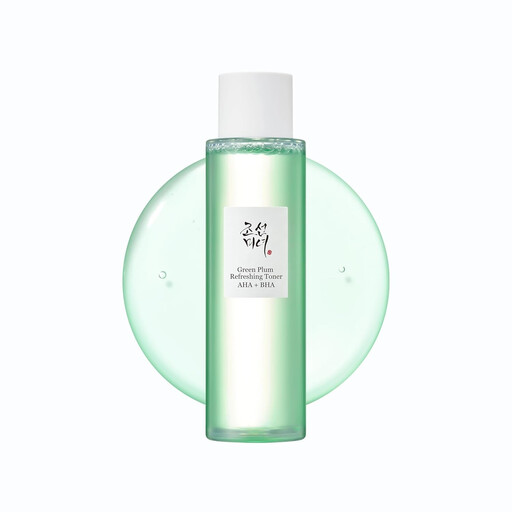
Why this product suits this profile: According to the product information, this Korean facial toner combines plum water and mung bean extract with glycolic acid and salicylic acid. It’s a good option if you’re looking for exfoliating and hydrating ingredients in one step.
The product information names the types of acids and key plant-based ingredients, so you don’t have to rely on the word “Refreshing” alone when making your choice.
150 ml; AHA and BHA ingredients; light toner texture according to the product description.
We’ve put together a complete, regularly updated list of products that meet these strict selection criteria and fully comply with the safety regulations in force in the EU.
It depends on the formula and how well your skin tolerates it. For many people, starting cautiously with once- or twice-weekly use is manageable. If your skin tolerates the toner well, you can gradually adjust how often you use it. Always follow the manufacturer’s specific instructions.
A combined AHA BHA toner already contains both types of acid in one formula. You usually don’t need to use additional acid products on the same day. If you use several active skincare products, introduce them separately and keep an eye on how your skin responds.
Check the expiry date, PAO symbol and instructions on the packaging. Keep toners tightly closed in a cool place, away from direct sunlight. If the smell, colour or consistency changes significantly, stop using the product.