
Lieferung heute & morgen

Qualitätsgarantie

Willkommens-Angebote freischalten: KOSTENLOSE Lieferung | Bis zu 80 % RABATT | Kostenlose 30-Tage-JoyPlus-Testphase
App herunterladen
An AHA face peel may be worth considering if your skin looks rough, dull or uneven. However, chemical peels are not skincare products that automatically suit every skin type. The concentration, type of acid, contact time and frequency of use all determine whether a product is a sensible fit for your routine.
The concentration alone says little about how well an AHA face peel will be tolerated. The pH value, product base and contact time also play a role. A rinse-off glycolic acid peel may be used differently from a leave-on product that remains on the skin for several hours.
One example is the Neostrata Foaming Glycolic Wash, which, according to the product description, contains 18 % glycolic acid and 2 % lactobionic acid. The manufacturer expressly states that it is intended for experienced glycolic acid users and is not recommended for sensitive skin or as a first product.
AHAs such as glycolic acid, lactic acid and mandelic acid are often used for the skin’s surface and an uneven-looking complexion. BHA, usually salicylic acid, is oil-soluble and is often chosen for clogged pores or blemish-prone skin. PHA, such as gluconolactone or lactobionic acid, is considered a milder acid option in many formulations.
An AHA BHA peel combines different approaches, but is not automatically suitable for beginners. Several acids can increase the overall strain on the skin. Anyone already using retinoids, benzoyl peroxide or other exfoliating products should plan their routine particularly carefully.
AHA products can make the skin more sensitive to the sun. For this reason, suitable broad-spectrum sun protection should be used during the day. Direct sunlight should be limited wherever possible. Some product information recommends continuing to use sun protection beyond the period of application. The specific instructions on the packaging and product page should always take priority.
For dull or rough skin, a classic fruit acid peel containing glycolic, lactic or mandelic acid may be worth considering. BHA-containing formulations, on the other hand, are often considered for visible pores and blemishes. For sensitive or easily reactive skin, a PHA peel with a short contact time may be a more cautious choice.
Terms such as “peel for pigmentation” or “peel for radiant skin” generally describe the desired appearance, but do not provide a guarantee. Visible pigmentation changes can have various causes. Any new, changing or unclear areas of skin should be assessed by a dermatologist.
Before buying, check:
A leave-on peel such as the Medik8 Sleep Glycolic Peel is used only twice a week according to the product description. The Bionike Defence My Age Renewing Peel contains 10 % exfoliating AHAs and PHAs according to the supplier, remains on the skin for 10 minutes and is then rinsed off. These details show why products should not be compared solely by percentage.
With any chemical face peel, start with a patch test on a small area of skin. Do not apply to broken, sunburnt, severely irritated or recently sun-exposed skin. Avoid the eye and mouth areas. If burning persists or you experience marked redness, a rash or swelling, stop using the product and seek medical advice if necessary.
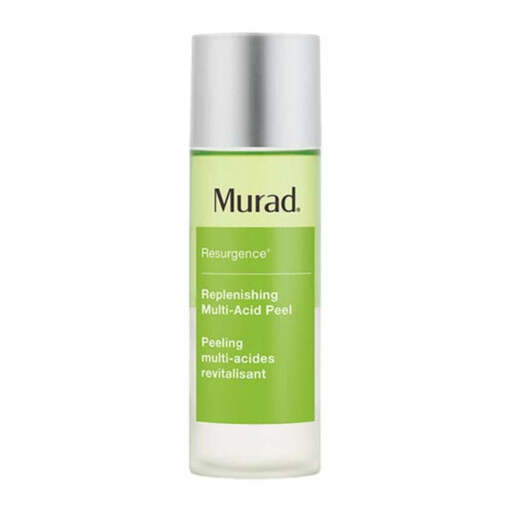
Why this product suits this profile: The two-phase formula is aimed at buyers looking for several types of acid in one product and who prefer a set evening application.
The product description explicitly lists glycolic, lactic, malic and salicylic acids, as well as tranexamic acid. This makes the composition easier to understand than broad terms such as “Multi-Acid” alone.
According to the product details, shake the product, apply it in the evening and do not rinse it off. It also contains ingredients including glycerin, sodium hyaluronate and bisabolol.
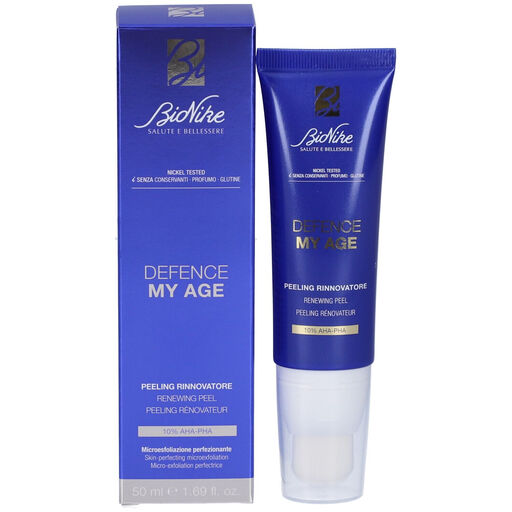
Why this product suits this profile: The rinse-off gel with integrated brush is appealing to users who want to include a measured application two or three times a week in their evening routine.
The recommended contact time of 10 minutes, followed by rinsing, reduces the risk of accidentally leaving a peel on overnight.
According to the product details, the formula contains 10 % AHAs and PHAs, including lactic, mandelic, lactobionic and glycolic acids. The brush is designed to support even application.
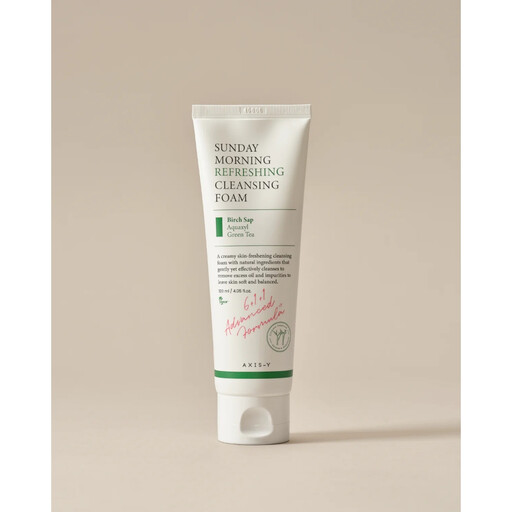
Why this product suits this profile: The rinse-off PHA peel with 10 % gluconolactone offers an alternative for people who prefer a short, weekly skincare ritual.
According to the product details, it is applied to dry skin for 10 to 15 minutes and then rinsed off. This makes the contact time easy to control.
The product description lists gluconolactone, glycerin and plant extracts. According to the supplier, the formula is intended for all skin types, including sensitive and blemish-prone skin.
We have put together a complete, regularly updated list of products that fully meet these strict selection criteria and the safety regulations applicable in the EU.
A peel for sensitive skin should be left on for as short a time as possible and, during the first few applications, should not be combined with other exfoliating active ingredients. For dry skin, subsequent care of the skin barrier is also important.
This depends on the product type and concentration. Rinse-off products are often used once to three times a week, while some leave-on products are dosed differently. The specific manufacturer’s instructions should always take priority. If you experience burning or persistent redness, stop using the product for the time being.
A combined product may already contain both AHA and BHA. Two separate products should not be used together without careful consideration, as this may place greater strain on the skin. For beginners, using them separately and introducing them gradually makes their effects easier to assess.
The best-before date, the open-jar symbol and the batch number on the packaging are the key points to check. Acid products should be stored in a cool, dry place away from direct sunlight. If the colour, smell or consistency has changed, using the product is not recommended.