
Lieferung heute & morgen

Qualitätsgarantie

Willkommens-Angebote freischalten: KOSTENLOSE Lieferung | Bis zu 80 % RABATT | Kostenlose 30-Tage-JoyPlus-Testphase
App herunterladen
An AHA and BHA toner can be a useful part of your skincare routine if excess sebum, blackheads or rough patches develop. However, exfoliating toners vary considerably in terms of acid type, formulation and how they should be used. An eye-catching label featuring terms such as “refines pores” or “for spots” alone says little about whether the product is genuinely suitable.
The Joybuy Product Recommendation Officer’s selection therefore focuses on clear, verifiable criteria: INCI list, acid combination, skin type, directions for use and packaging information.
AHA, BHA and PHA are often mentioned together, even though they have different properties:
What matters is not only whether an acid is included, but also where it appears in the INCI list and whether the product is fully labelled. A specific concentration should only be taken into account if it is stated on the packaging or in the official product information.
Some product descriptions recommend using the product in the morning and evening. With an exfoliating toner, however, this frequency may still be too high for sensitive or dry-prone skin. Individual tolerance depends, among other things, on the skin barrier, other active ingredients and your existing skincare routine.
A gradual introduction is advisable: start with once or twice a week, then increase the frequency only if your skin tolerates it well. If you experience stinging, persistent redness or more pronounced flaking, stop using the product for a while.
Toners can remove residue and excess sebum from the skin’s surface. This may temporarily make the complexion look more even. However, this product property does not imply a permanent change in pore size. A toner for spots is not a substitute for dermatological treatment either.
For oily, blemish-prone skin, a salicylic acid toner may be worth considering. If your main concern is caring for rough skin, look for an AHA instead. PHA products, such as a milder exfoliating toner, may appeal to anyone who wants to introduce chemical exfoliation into their routine cautiously.
Also look out for supporting ingredients such as:
After cleansing, apply the toner with your hands or a cotton pad. There is no need to rub vigorously. With AHA or BHA products, avoid the eye and lip areas, as well as damaged, irritated or sunburnt skin.
AHA and BHA can make your skin more sensitive to the sun. That is why your daytime routine should include a broad-spectrum sunscreen with a suitable SPF. New products should first be tested on a small area of skin.
Before buying, check the fill volume, PAO symbol, best-before date or batch information and the current ingredients list. Formulations can change. The labelling on the packaging you receive is what matters. 30 or 50 ml bottles are practical for travel; with regular use, 150 to 250 ml offers a different price-per-millilitre ratio.
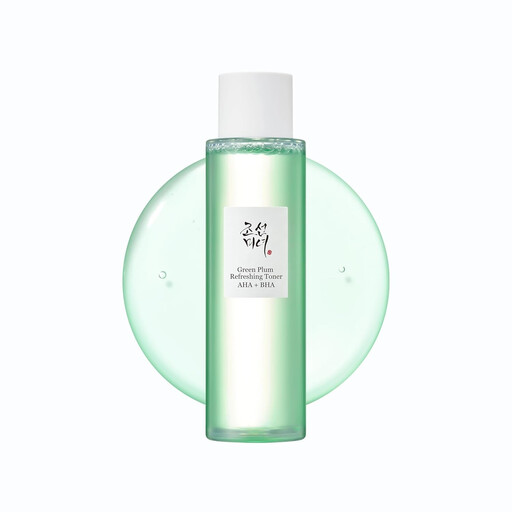
Why this product suits this profile: The 150 ml bottle and straightforward combination of glycolic acid, salicylic acid, plum water and mung bean extract make this a suitable option for getting started with an exfoliating toner in a structured way.
The product information clearly names the types of acid used, rather than simply promoting the general term AHA/BHA.
Lightweight texture, AHA and BHA in one formulation, plus moisturising ingredients such as glycerin and Sodium PCA.
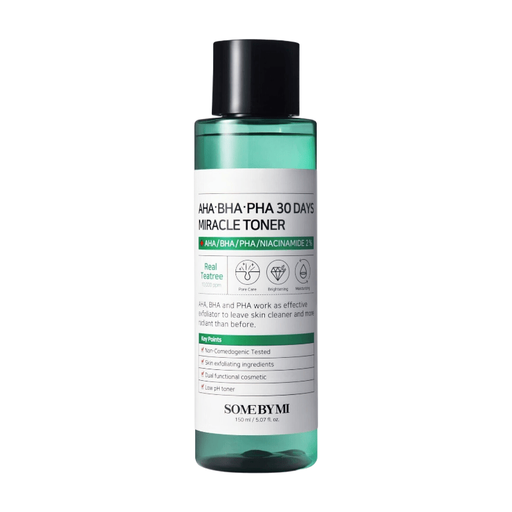
Why this product suits this profile: The combination of AHA, BHA and PHA is aimed at people who want to incorporate several forms of chemical exfoliation into a Korean skincare routine.
The INCI list identifies salicylic acid, lactobionic acid and citric acid. A patch test and sun protection are also recommended.
150 ml content, water-like consistency, plus niacinamide, glycerin and Sodium Hyaluronate as supporting ingredients.
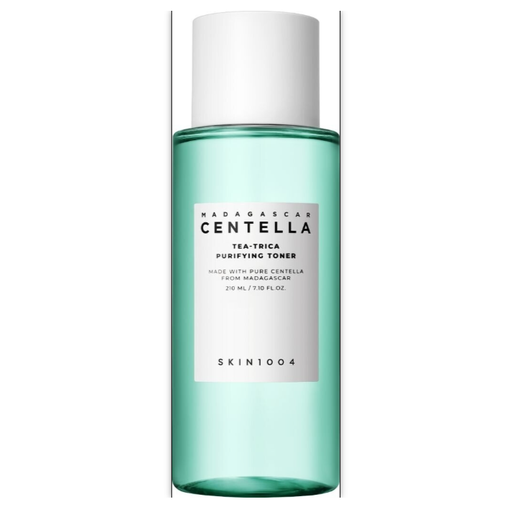
Why this product suits this profile: This toner contains gluconolactone as a PHA, as well as Centella asiatica, panthenol, betaine and hyaluronic acid. It is an option for users who prefer a PHA-focused formulation.
The product description explicitly names PHA instead of promising vaguely defined “gentle acid care”.
210 ml content, PHA and several moisturising or soothing supporting ingredients.
We have put together a complete, regularly updated list of products that fully meet these strict selection criteria and the safety regulations applicable in the EU.
If you have inflammatory skin problems, a known sensitivity to salicylates or aspirin, are pregnant or are undergoing dermatological treatment, discuss its suitability with a healthcare professional.
For beginners, using it once or twice a week in the evening is usually sufficient. Increase the frequency only if there is no redness, stinging or increased dryness. The instructions on the product packaging remain the most important guide.
This depends on the formulation, acid concentration and how well your skin tolerates it. Daily use is not automatically necessary. For sensitive skin or an already active routine that includes other exfoliants, leaving more time between applications is often the better option.
A glycolic acid toner, or AHA toner, is primarily used to care for the skin’s surface. A salicylic acid toner, or BHA product, is often chosen for oily skin and visible blackheads. Both categories can irritate the skin and should be introduced gradually.