
Lieferung heute & morgen

Qualitätsgarantie

Willkommens-Angebote freischalten: KOSTENLOSE Lieferung | Bis zu 80 % RABATT | Kostenlose 30-Tage-JoyPlus-Testphase
App herunterladen
The idea of playing chess on a real board against an artificial intelligence that physically moves the pieces fascinates many players. An AI chess robot promises to combine the best of both worlds: the tactile feel of a classic board game and the challenge of a tireless digital opponent. But the market for these sophisticated devices is crowded, and not every product delivers on its promise.
As a Joybuy Product Recommendation Officer, I often see well-intentioned purchases end in frustration. Before you invest, you should be aware of the common pitfalls that can turn a promising buy into an expensive disappointment.
To make an informed decision, it's crucial to understand the core technologies. Focus on the following three parameters to find a device that truly meets your needs.
The way the board detects and executes moves is the most important hallmark of quality. There are two basic systems:
The brain of the system is the AI engine. A high-quality smart chess set is distinguished not just by a high maximum playing strength, but especially by finely adjustable difficulty levels. This keeps the game accessible for beginners and challenging for advanced players.
Connectivity via a chessboard with app is a decisive advantage today. It enables:
For whom and where will the chess robot primarily be used? The answer to this question determines the design requirements.
Based on these criteria, we have compiled a selection of products suitable for different user profiles.
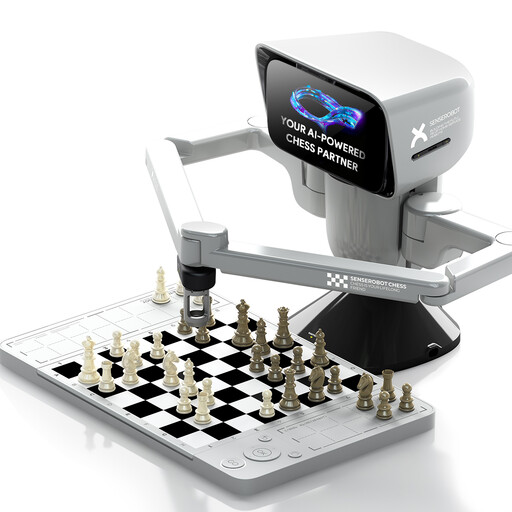
Why This Fits Their Persona: Ideal for players seeking a fully automated, tactile experience with cutting-edge technology. Its compact design and integrated robotic arm make it a fascinating gadget for home and on the go. Those who buy the SenseRobot mini get a highly advanced training device.
The precise robotic arm completely eliminates the problem of faulty sensors. The app connectivity with numerous AI levels prevents a stagnant learning curve and offers long-term challenges.
Fully automated gameplay via robotic arm; high portability for a travel chess set; supports 3D-printed DIY pieces for personalisation.
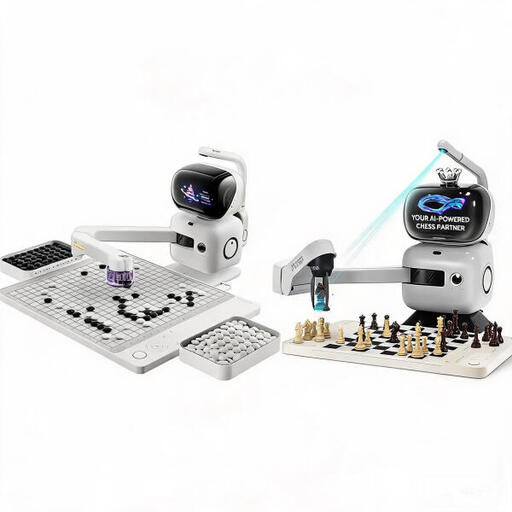
Why This Fits Their Persona: This set is a versatile choice for families who love strategy board games. It combines two classics, Chess and Go, in one AI-powered system that serves as a tutor for children and a training partner for adults.
By combining two games and a training-focused AI, it offers broader utility than a chess-only device. It avoids the trap of an overly rigid system by offering different game modes for various interests and age groups.
Two strategy games (Chess and Go) in one device; designed for teaching and entertainment for the whole family; AI-powered training features.
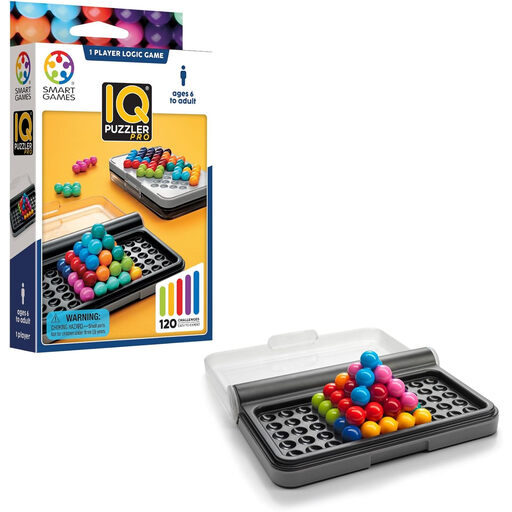
Why This Fits Their Persona: For users looking for a compact, single-player logic game, this is an excellent alternative. It's not a chess robot, but a pure mental workout that works without batteries or an app, making it perfect for travel, commuting, or a coffee break.
This game bypasses the complexity and potential failure points of electronics. It solves the portability problem by being extremely compact and robust—a truly uncomplicated companion.
120 challenges in 2D and 3D; extremely compact and travel-friendly; promotes concentration and logical thinking without a screen.
We have compiled a complete, up-to-date list of products that fully meet these strict selection criteria and German safety regulations.
A self-moving chessboard typically uses a magnet-guided robotic arm hidden beneath the board. After the human player makes a move, the AI calculates its counter-move. The robotic arm then moves under the board to the corresponding piece, magnetically couples with it, and moves it precisely to the target square.
Not necessarily. Many models can also be operated offline against the built-in AI. However, chessboard with app functionality significantly expands its utility. It is needed for software updates, advanced game analysis, or playing against human opponents on online platforms. For simply playing against the internal AI, it is often optional.
Yes, this is one of the core features of modern devices. The board can be connected to online chess platforms like Lichess or Chess.com via its companion app. When your human opponent makes a move online, it is executed by the robot's mechanics on your physical board. Your own moves are detected by the board and transmitted to the platform.