
Lieferung heute & morgen

Qualitätsgarantie

Willkommens-Angebote freischalten: KOSTENLOSE Lieferung | Bis zu 80 % RABATT | Kostenlose 30-Tage-JoyPlus-Testphase
App herunterladen
AI glasses and smart audio devices promise to revolutionise our daily lives—from real-time translation while travelling to hands-free transcription of meetings. However, the market is flooded with devices whose actual performance often falls short of their marketing promises. Before you invest, it's crucial to understand the most common pitfalls that lead to disappointment and unnecessary expenses.
As your Joybuy Product Recommendation Officer, I'm here to help you separate the wheat from the chaff. We will focus on the objective criteria that define a quality device and ignore the hype.
Many buyers regret their purchase because they fell for exaggerated advertising claims. Pay special attention to these three points:
To avoid a costly mistake, you should focus on verifiable technical specifications. These three aspects are crucial for performance and longevity.
The way you perceive audio content is a key feature for both safety and comfort.
For everyday use and clear voice reproduction during calls, Open-Ear systems often provide a more balanced sound quality.
Glasses with ChatGPT integration sounds impressive, but the implementation is what matters. Check whether it's a true, interactive assistant or just a shortcut to the smartphone app. More important are:
These two specifications determine how reliable your device will be in daily use.
Instead of making a general recommendation, we have identified products that meet specific requirements and avoid the pitfalls mentioned.
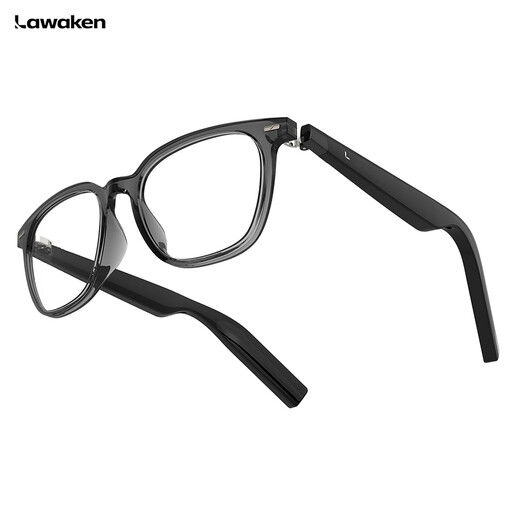
Why This Fits Their Persona: Ideal for individuals who travel frequently or work in international meetings. The glasses combine a discreet design with powerful communication and productivity tools without looking like an obtrusive tech gadget.
The glasses focus on sophisticated AI features like real-time translation and meeting summaries. The lightweight design (from 33g) and long battery life of up to 12 hours of active use ensure everyday practicality.
The integration of AI assistants (ChatGPT, Gemini, Claude) and compatibility with prescription lenses make them a versatile tool. The open-ear audio technology ensures safety in urban environments.
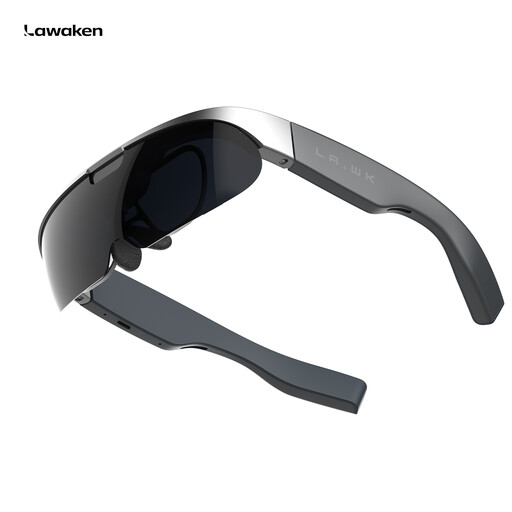
Why This Fits Their Persona: Specifically designed for cyclists who want to keep an eye on performance data and navigation while recording their rides without taking their hands off the handlebars.
These AR glasses for cycling offer a clear, functional benefit: the AR display shows navigation and performance data instead of just being a gimmick. The IPX4 rating and robust design are built for outdoor use.
The combination of an integrated 4K camera for first-person perspective (POV) recording and the AR head-up display (HUD) is a unique selling point. Open-ear audio ensures that traffic sounds remain audible.
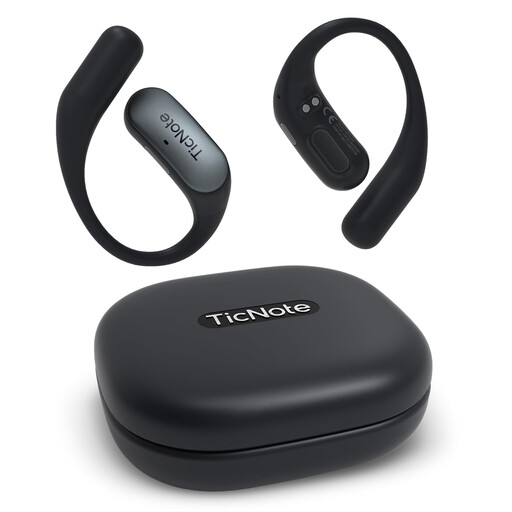
Why This Fits Their Persona: For users whose primary requirement is the reliable recording and transcription of conversations, interviews, or meetings. This device is a specialised translator earbud and a dictation recorder in one.
This product doesn't try to be a pair of glasses. It focuses on one core function—AI-powered transcription—and masters it. The large 32 GB internal storage makes it independent of constant cloud syncing during recording.
The dual recording system is unique: the earbuds record calls, while the charging case functions as a standalone microphone for ambient sounds. The long recording time of up to 25 hours is designed for long workdays.
We have compiled a complete, up-to-date list of products that fully meet these strict selection criteria and all relevant safety standards.
1. Can I use prescription lenses with smart audio glasses? Yes, many models, like the LAWAKEN AI Chat City series, are designed so that the lenses can be replaced by an optician. It is important to have this done by a professional to ensure the frame is not damaged and the lenses fit correctly.
2. How reliable is real-time translation in AI glasses? The reliability heavily depends on the model, software, and the quality of the internet connection. High-quality devices with multiple microphones and advanced AI software deliver good results in quiet environments. However, in noisy places like train stations or restaurants, accuracy can decrease. An offline mode is rare and usually limited to a few languages.
3. What exactly does the IP rating for wearables mean? The IP (Ingress Protection) rating indicates how well a device is protected against the ingress of foreign objects (first digit) and water (second digit). For wearables, often only the second digit is relevant (indicated by an "X"). IPX4 means protection against splashing water from all directions—ideal for sweat and light rain. IPX5 provides protection against water jets, which signifies higher resistance. These ratings are not suitable for swimming.