
Lieferung heute & morgen

Qualitätsgarantie

Willkommens-Angebote freischalten: KOSTENLOSE Lieferung | Bis zu 80 % RABATT | Kostenlose 30-Tage-JoyPlus-Testphase
App herunterladen
The idea of having important information discreetly projected into your field of view, without having to pull out your smartphone, is an attractive prospect for many professionals. AI glasses promise just that: a productivity boost through hands-free operation. However, the market is crowded and full of products whose advertised features often fail to deliver in practice. Before you make a purchasing decision, it's crucial to know the common pitfalls and understand which features truly matter.
This guide will help you separate the wheat from the chaff and make an informed decision based on objective criteria.
Many models advertise a long list of features, but in daily use, some of them prove to be cumbersome or impractical. Pay special attention to these three points to avoid a bad purchase:
To make the right choice, you should focus on the technical parameters that determine user comfort and practical value in everyday life.
The core of any smart glasses with a display is the projection technology. Modern models often use Micro-LED displays, which provide a bright, clear image that is visible only to the wearer. Unlike large AR headsets that significantly overlay the field of view, everyday AI glasses discreetly project information into the peripheral area. This allows you to stay connected to your surroundings while receiving relevant data like navigation cues, notifications, or talking points for a presentation.
For glasses intended to be worn for several hours, weight is a critical factor. Lightweight data glasses should ideally weigh no more than 40 to 50 grams. Models made from high-quality materials like titanium and magnesium alloys offer the necessary stability with minimal weight. Look for a balanced weight distribution between the front and the temples to avoid pressure points on the nose or behind the ears.
Define your primary use case before buying. Do you need translator glasses for international meetings? Are you looking for teleprompter glasses to speak freely and confidently during presentations? Or do you want a portable cinema experience for movies and games? A model's specialisation in one of these core functions is often a mark of quality. Glasses designed specifically for discreet productivity applications will differ greatly in design and function from a model built for an immersive multimedia experience.
Based on the criteria above, we have identified a few models that are well-suited for different user profiles.
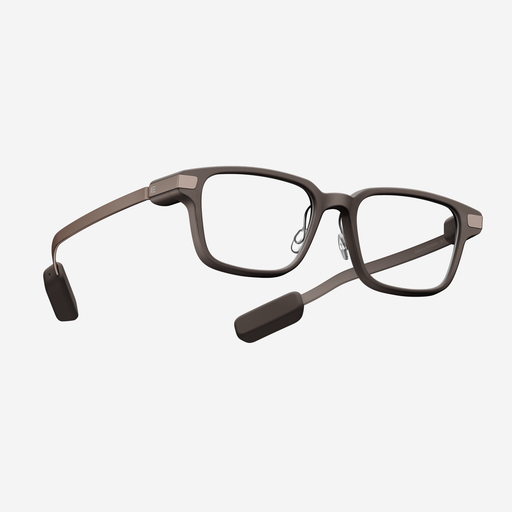
Why This Fits Their Persona: Ideal for professionals seeking subtle technological assistance. The classic eyewear design and low weight allow for all-day wear in the office or on business trips. Features like the teleprompter, real-time translation, and AI-powered meeting summaries are directly designed to boost professional efficiency. Anyone considering buying an Even G2 is investing in a focused productivity tool.
This model deliberately omits a camera to ensure social acceptance and privacy. At just 36 grams, it avoids the ergonomics trap and is designed for long-term wear. It's not a "jack-of-all-trades," but a specialist for discreet information display.
Long battery life of up to 2 days with normal use. The private Micro-LED display delivers clear information without obstructing the field of view. High-quality materials (titanium, magnesium) ensure durability and comfort.
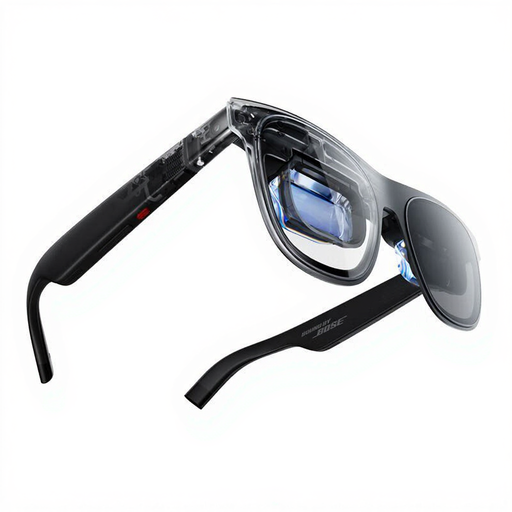
Why This Fits Their Persona: For users focused on media consumption and gaming. The glasses create a virtual HD screen of up to 171 inches at 120 Hz, providing an immersive experience for movies and games. Compatibility with devices like the iPhone 16, SteamDeck, or laptops makes it a flexible portable display.
This model is clearly positioned as an entertainment device and doesn't try to be an inconspicuous everyday pair of glasses. It delivers on the promise of a portable big screen without compromising its core function.
Large, high-resolution display experience (120 Hz) for smooth visuals. Simple plug-and-play connectivity via USB-C with a wide range of devices.
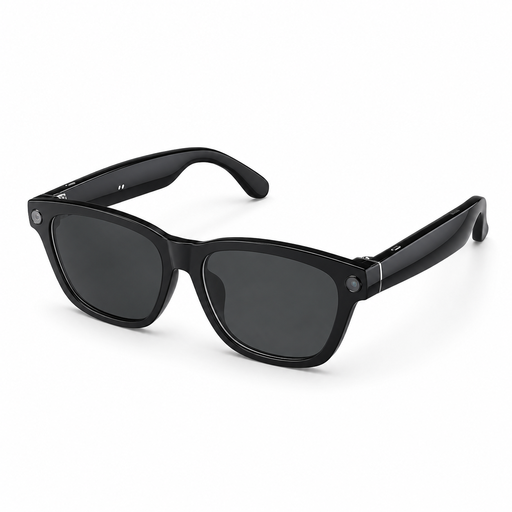
Why This Fits Their Persona: Suitable for tech-savvy users who explicitly want camera functions and a direct connection to AI services like ChatGPT. The glasses are designed for use cases like taking photos, making calls, and using voice assistants, with a focus on a broad feature set.
This product is transparent about its focus on camera and AI functions. It targets users who are actively seeking these features and are willing to accept the associated trade-offs in terms of design and social acceptance.
Integrated camera for photo and video recording. Direct access to AI models like ChatGPT and an extensive real-time translation function for a claimed 145 languages.
We have compiled a complete, up-to-date list of products that fully meet these strict selection criteria and German safety regulations.
Yes, many manufacturers offer solutions for prescription wearers. For some models, like the Even G2, prescription lenses can be purchased separately and fitted by an optician. Other models use inserts that attach behind the display lenses. It is advisable to check the product specifications for this before purchasing.
Battery life varies greatly depending on the model and usage intensity. Models designed for productivity and all-day wear, like the Even G2, claim to offer a battery life of up to two days with normal use. Models focused on high-resolution streaming or gaming typically have a shorter battery life of a few hours and are often intended for use with an external power source (e.g., a power bank or connected device).
In a professional environment, trust and discretion are paramount. Camera-free data glasses signal to others that no recordings are being made, which significantly increases social acceptance. It avoids privacy conflicts and allows for undisturbed, natural interaction. For most productivity-enhancing applications such as notifications, navigation, teleprompting, or live translation, a camera is not necessary.