
Lieferung heute & morgen

Qualitätsgarantie

Willkommens-Angebote freischalten: KOSTENLOSE Lieferung | Bis zu 80 % RABATT | Kostenlose 30-Tage-JoyPlus-Testphase
App herunterladen
By Joybuy Product Recommendation Officer, July 28, 2026
The term "AI laptop" is ubiquitous in the tech market. Manufacturers are promoting devices with intelligent features that promise to revolutionise productivity and creativity. But behind the marketing often lie technical details, and a lack of understanding can lead to costly purchasing mistakes. This guide will help you cut through the noise and find a device that truly meets your needs.
Before we dive into the technical specifications, it's important to understand the most common marketing traps that lead to disappointment.
To avoid making the wrong choice, you should check the following three core parameters. They form the foundation for a powerful and future-proof system.
A notebook with an NPU is the fundamental requirement for efficient, on-device AI processing. This specialised processing unit is designed to execute machine learning tasks with minimal power consumption. Look for processors like the Intel Core Ultra Laptop with "Intel AI Boost" or models with AMD Ryzen AI. The critical performance metric is the NPU performance, measured in TOPS. For example, certification as a Copilot+ PC requires an NPU performance of over 40 TOPS. This value ensures that the device can run complex AI models directly and without a constant cloud connection.
A high-performance notebook needs components that can keep pace with the NPU. AI applications, especially in the creative field, are memory-intensive.
For the target audience of creatives and demanding users, the quality of the display is a decisive factor.
Based on the criteria above, we have compiled a selection of devices suitable for specific user profiles.
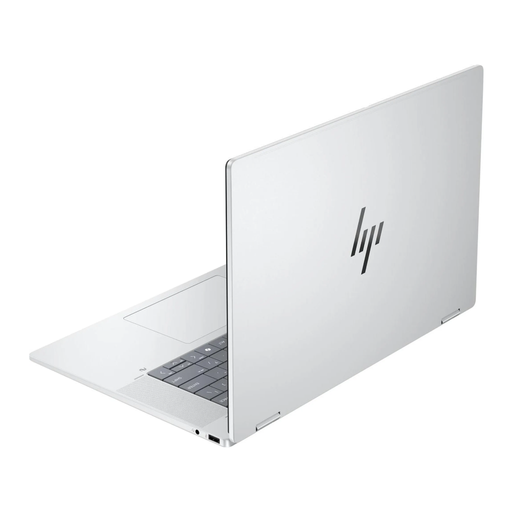
Why This Fits Their Persona: Ideal for designers and video producers who need maximum flexibility and visual precision. The 2-in-1 convertible design and the brilliant 3K 120 Hz OLED touchscreen enable seamless transitions between creative work and presentations.
This model avoids the compromise pitfall with a consistently high-end configuration: The Intel Core Ultra 7 processor with Intel AI Boost (up to 47 NPU TOPS) is paired with 32 GB of fast LPDDR5x RAM and a brilliant OLED display.
Outstanding Display: 16-inch 3K OLED touchscreen (2880x1800) with 120 Hz and 100% DCI-P3 colour gamut coverage. Powerful Connectivity: Wi-Fi 7 and Thunderbolt 4 for the fastest data transfer.
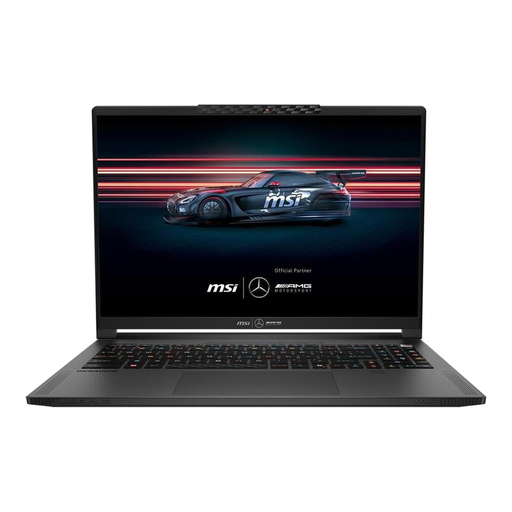
Why This Fits Their Persona: Engineered for users who demand uncompromising performance for next-gen gaming and AI-powered applications. The combination of AMD's top-tier AI processor and a Gaming Laptop RTX 50-Series graphics card provides enormous performance headroom.
This device sidesteps the 'AI-Ready' trap by using top-of-the-line components. The AMD Ryzen AI 9 HX 370 processor and the NVIDIA GeForce RTX 5070 aren't just marketing terms—they deliver objectively measurable peak performance for AI and graphics.
Next-Generation Graphics Performance: NVIDIA GeForce RTX 5070 with 8 GB of GDDR7 memory. Extremely Fast Display: 16-inch QHD+ OLED panel with a 240 Hz refresh rate for competitive gaming.
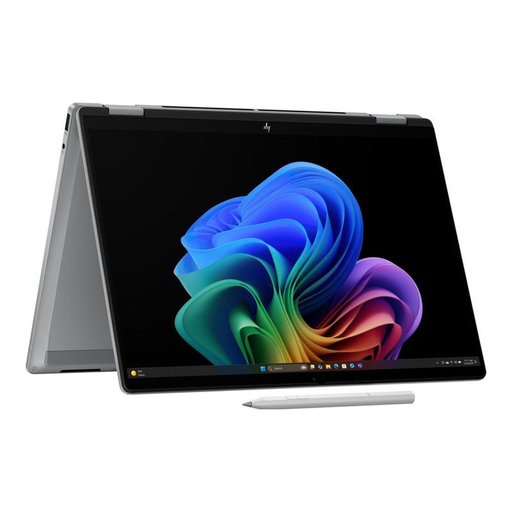
Why This Fits Their Persona: Perfect for professionals who are frequently on the move and need a lightweight yet powerful device for AI-driven productivity tasks. At just 1.39 kg and with a long battery life, it's an ideal companion for the mobile workday.
This model directly addresses TOPS ambiguity by specifying a clear NPU performance of 50 TOPS. This qualifies it as a high-performance Copilot+ PC and ensures that AI features run efficiently and on-device.
High AI Efficiency: AMD Ryzen AI 7 processor with 50 TOPS of NPU performance for demanding AI applications. Ultra-Mobile and Enduring: Only 1.39 kg in weight and a battery life of up to 20.75 hours, according to the manufacturer.
We've compiled a complete, real-time updated list of products that fully meet these strict selection criteria and rigorous safety standards.
The main difference lies in the hardware. A true AI laptop has a dedicated Neural Processing Unit (NPU). This is specialised for running AI algorithms with high energy efficiency. Conventional laptops handle these tasks on the CPU or GPU, which consumes more power, generates more heat, and can impact overall system performance.
To meet the requirements for Microsoft's Copilot+ PC experience, a laptop's NPU must deliver a performance of at least 40 TOPS (Trillions of Operations Per Second). This threshold ensures that the device is capable of running advanced AI features like Recall or live translations locally and smoothly.
For creative professionals working with visual media, the investment is often worthwhile. OLED displays offer superior colour fidelity, deeper black levels, and higher contrast. The 120 Hz refresh rate provides a noticeably smoother rendering of animations, videos, and even scrolling on web pages, enhancing the user experience for everyone.