
Lieferung heute & morgen

Qualitätsgarantie

Willkommens-Angebote freischalten: KOSTENLOSE Lieferung | Bis zu 80 % RABATT | Kostenlose 30-Tage-JoyPlus-Testphase
App herunterladen
In our globally interconnected professional and personal worlds, seamless communication and efficient information management are crucial. Language barriers can complicate business relationships, and the need to keep your hands free during calls or while listening to music is increasingly important. A pair of AI translator glasses offers a technological solution to these demands by integrating AI-powered features directly into daily life.
This article serves as your guide. It explains the key features to consider when making your selection and presents specific models that stand out for their functionality and design.
Selecting the right smart glasses depends on your individual needs. The following criteria will help you make an informed decision.
The core feature of glasses with a translation function is their real-time translation capability. Pay attention to the number of supported languages and the quality of the translation technology. Modern models also integrate AI assistants like ChatGPT or Gemini, allowing you to query information, dictate emails, or manage your schedule. Another useful feature is the automatic transcription and summarisation of meetings, which can significantly boost productivity in a professional context. This type of AI glasses is increasingly becoming a tool for efficiency.
Smart audio glasses typically use the open-ear headphones principle. The sound is directed in such a way that you can hear music or calls while your ears remain uncovered. This allows you to stay aware of ambient sounds like traffic or announcements. For clear communication during calls, hands-free glasses for calls are equipped with multiple microphones and noise-cancellation technology. Wearing comfort is ensured by lightweight materials like TR90 and an ergonomic design that remains comfortable even during extended use.
For those who wear glasses, it's crucial that smart glasses are compatible with prescription lenses. Many manufacturers offer models with interchangeable frames that an optician can fit with custom prescription lenses. The design should be not only functional but also aesthetically pleasing and match your personal style. Whether you prefer a classic, modern, or sporty look, the range of designs is constantly expanding. Connection to your smartphone is typically handled via modern Bluetooth standards like Bluetooth 5.3, ensuring a stable and energy-efficient link.
Based on the criteria above, we have compiled a selection of models that stand out for their technological features and use cases.

What sets them apart This model combines advanced AI features with a fashionable design. Real-time translation in 128 languages and the AI Note function for summarising meetings make them a powerful tool for work and travel. The tortoise pattern adds a stylish accent to the glasses.
Advantages
Who they're for For tech-savvy users looking for a functional wearable that impresses with a modern design in both their professional and personal lives.
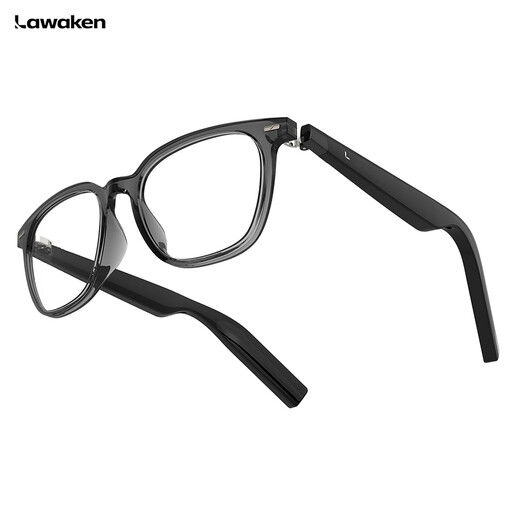
What sets them apart The Classic version offers the full functionality of the AI Chat City series in a timeless, understated design. Weighing just 33 grams (without lenses), it is designed for all-day wear and blends discreetly into any style.
Advantages
Who they're for For professionals and everyday users seeking discreet yet powerful Bluetooth glasses with speakers for daily use.
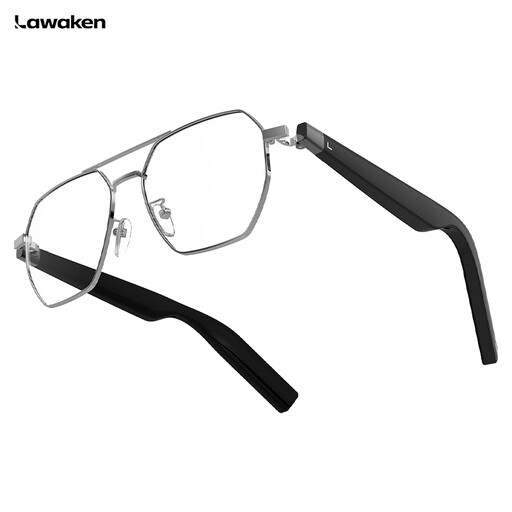
What sets them apart The Aviator model is aimed at users who prefer an iconic design. It combines the classic aviator style with the full suite of AI technologies, making it an ideal companion for business trips and style-conscious users.
Advantages
Who they're for For users who value a distinctive design and are looking for technologically advanced glasses for business and travel.
The models presented here offer IPX4 water resistance, which protects them from splashing water. If you are looking for products with a special focus on durability or a different waterproof design, you may find a suitable alternative in our broader selection.
1. How do AI translator glasses work? These glasses use integrated microphones to capture spoken language. This audio data is sent via a connected app to a cloud service, where an AI performs the translation. The result is then transmitted directly to the wearer's ear through the speakers built into the glasses. The entire process typically takes place within a few seconds.
2. Can I use smart glasses with my prescription? Yes, many models, including the LAWAKEN glasses featured here, are designed so that their frames can be fitted with custom prescription lenses. It is recommended to have the glazing done by a qualified optician to ensure a correct fit and optimal optical quality.
3. How safe is open-ear audio for everyday use? The open-ear design is intended to help you maintain awareness of your surroundings, as your ears are not blocked. This enhances safety compared to conventional headphones, especially in traffic. Nevertheless, it is important to keep the volume at a moderate level and always remain attentive, as focusing on audio content can affect your reaction time.