
Lieferung heute & morgen

Qualitätsgarantie

Willkommens-Angebote freischalten: KOSTENLOSE Lieferung | Bis zu 80 % RABATT | Kostenlose 30-Tage-JoyPlus-Testphase
App herunterladen
In a globally connected world, language barriers are one of the last major hurdles for business professionals and frequent travellers. AI translator glasses promise to overcome this hurdle elegantly. However, the market is filled with exaggerated marketing claims that often lead to disappointment. Before making a purchase, it's crucial to understand the most common pitfalls to avoid a poor investment.
The 2 Most Common Pitfalls When Buying AI Translator Glasses:
To avoid falling for marketing hype, you should base your choice on objective technical features. Three parameters are of central importance here.
The core function of glasses with a translation feature is the quality of the translation itself. This is largely determined by the underlying AI engine. Look for models that access established AI services like ChatGPT, Gemini, or Claude. Another important factor is the number of supported languages. Broad coverage of over 100 languages ensures the glasses are versatile for business trips and holidays worldwide.
A pair of smart audio glasses should provide clear and discreet audio playback without completely blocking out your surroundings. The open-ear audio principle directs sound towards the ear without obstructing the ear canal. This enhances safety in traffic. The quality of the microphones is just as crucial. A pair of Bluetooth glasses with a microphone should have at least two microphones with noise cancellation to capture your voice accurately, even in loud environments—a fundamental prerequisite for accurate translation.
Daily usability hinges on wearing comfort. Lightweight and durable materials like TR90 or titanium alloys are the standard here. A weight of under 40 grams (without lenses) is a good benchmark for all-day comfort. For those who wear prescription glasses, it is also essential that the frame is compatible with custom prescription lenses. Check if the manufacturer explicitly states this option and whether an optician can easily fit the lenses.
Based on the criteria above, we have identified a few models that are particularly well-suited for specific user profiles.
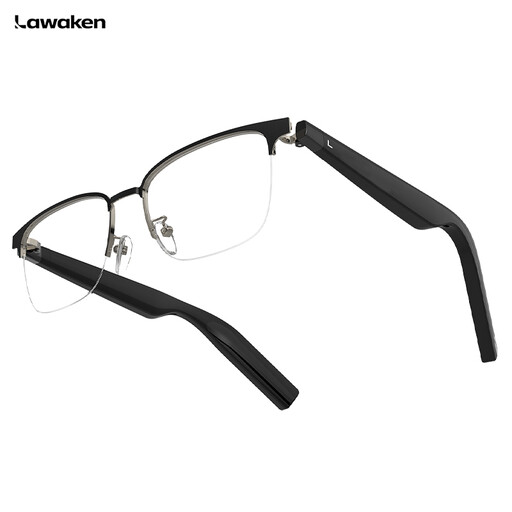
Why it's a match: The lightweight titanium frame and subtle executive design fit perfectly into a professional environment. The AI Note feature for summarising meetings boosts productivity, making this model a tool for daily business.
The lightweight titanium frame directly addresses the pitfall of poor comfort, while the long battery life of up to 12 hours enables all-day use without interruption.
The AI Note feature for meeting summaries and compatibility with prescription lenses offer clear added value for professional use.
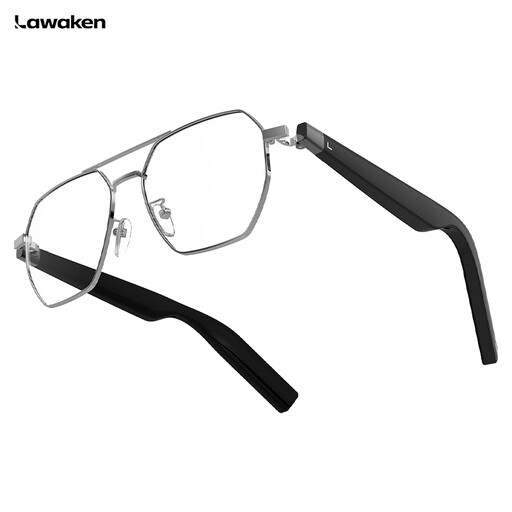
Why it's a match: The timeless aviator design is both robust and stylish. Support for 128 languages makes these glasses a universal travel companion, while the long battery life provides peace of mind for long days on the go.
This model counters the "real-time" translation promise with a solid technological foundation (connection to leading AI services) and broad language coverage that delivers in practice.
The real-time translation for 128 languages and the long battery life are specifically tailored to the needs of frequent travellers.
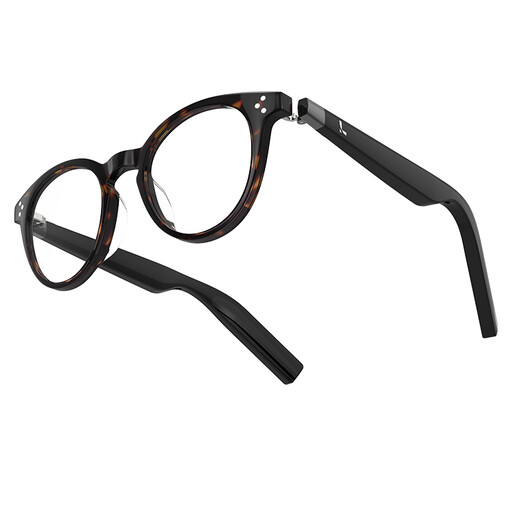
Why it's a match: The fashionable tortoise pattern turns the glasses into a lifestyle accessory. They integrate seamlessly into daily life, whether for hands-free calls, listening to music, or occasional use of the translation feature on holiday.
This model disproves the assumption that tech has to be clunky. The lightweight TR90 material and fashionable design ensure high wearing comfort and an appealing aesthetic.
The combination of open-ear audio for music and calls and a stylish, interchangeable frame makes them a versatile everyday companion.
We have compiled a comprehensive, up-to-date list of products that meet strict selection criteria and rigorous safety standards. Many models also feature a waterproof design for added durability.
1. How do AI translator glasses work in practice? AI translator glasses use integrated microphones to capture speech. This audio data is sent to an app on your connected smartphone, which forwards it to a cloud-based AI service for processing. The translated response is then sent back to the glasses as an audio signal and delivered directly to your ear via the open-ear speakers.
2. Do I always need an internet connection for translation? Yes, for real-time translation of a large number of languages, an active internet connection via your smartphone is generally required. The complex AI models necessary for high-quality translation run in the cloud. Some models may offer limited offline functionality for select languages, but the full range of features is available online.
3. Can I use AI translator glasses with my prescription lenses? Yes, many high-quality models, including the LAWAKEN AI Chat City series featured here, are designed with frames that are compatible with prescription lenses. You can take the glasses to a qualified optician who can fit your custom lenses into the smart frame. When selecting a product, look specifically for the 'Prescription Lenses Compatible' label.