
Lieferung heute & morgen

Qualitätsgarantie
App herunterladen
Kategorien
The integration of artificial intelligence into audio devices has fundamentally expanded the functionality of headphones. In particular, AI translator earbuds represent a technological evolution that goes beyond mere audio playback. They combine the features of true wireless sports earbuds, communication tools, and real-time translation devices. This article analyses the technical parameters relevant to selecting such devices and presents a selection of models with different specialisations.
Choosing the right model depends on an analysis of specific technical features. The following criteria provide an objective basis for an informed decision.
The core feature is real-time translation. Its performance is determined by several factors:
The design directly impacts wearing comfort and environmental awareness.
Interaction with the device occurs through various interfaces.
Usage duration and connection stability are crucial practical factors.
Based on the technical criteria above, we present three models that cover different user profiles.
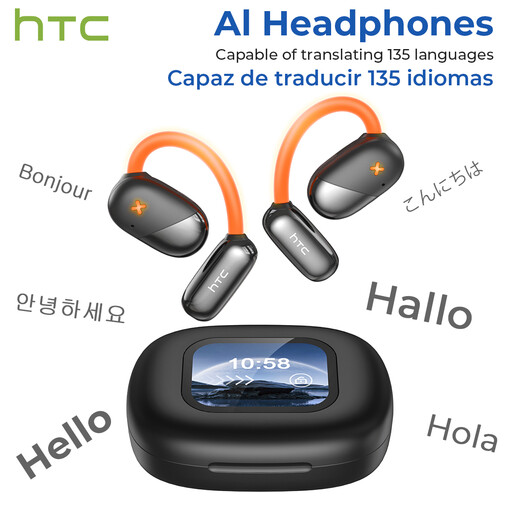
Why We Recommend This Product The HTC NE33 OWS model stands out with its integration of a fully-featured LCD touchscreen in the charging case. This allows for smartphone-independent control of many core functions, including translation. The Open-Ear-Design (OWS) ensures situational awareness, while the integrated night running lights are a specific safety feature for sports activities in the dark.
Pros
Who It's For This model is aimed at tech-savvy users looking for a multifunctional device that combines communication, music, and sports. The innovative control scheme via the charging case is appealing to users who prefer quick, direct control without a smartphone.

Why We Recommend This Product The FITTEK YYK Q16 Pro combines two-way real-time translation with high-performance audio components. The 14.2mm titanium drivers are engineered for clear sound reproduction. With a total battery life of up to 40 hours and the integration of Bluetooth 5.4, this model is designed for extended use and stable connectivity.
Pros
Who It's For Ideal for international business travellers and heavy users who, in addition to the translation function, place a high value on long battery life and robust audio performance for music and calls.
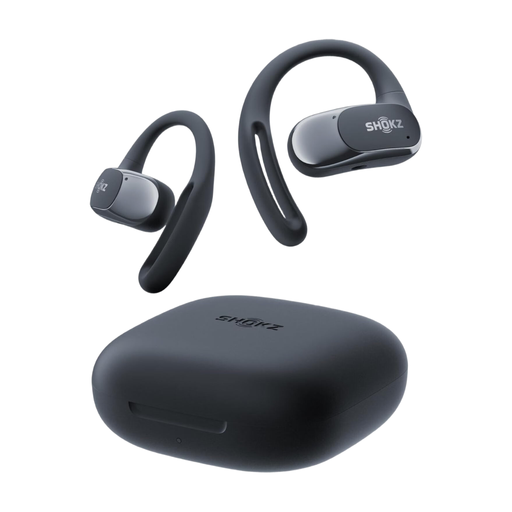
Why We Recommend This Product The SHOKZ OpenFit Air are positioned as specialists in wearing comfort and situational awareness. Weighing only 8.7 grams and featuring the flexible Air-earhook, they are designed for extended wear and intense sports activities. While integrated AI translation is not the primary focus, the emphasis is on SHOKZ DirectPitch technology for precise sound with an open-ear design.
Pros
Who It's For This model is the first choice for athletes, commuters, and any user for whom maximum comfort and unrestricted environmental awareness are a priority. The audio quality and secure fit are the main focus here.
Technology is an essential part of the modern travel experience. At the same time, personal style plays a role in dressing appropriately for different environments—from business meetings to city trips. For travellers who value not only technical equipment but also a classic and versatile garment, a black corduroy jacket can be a functional and style-conscious addition to their wardrobe.
1. How does real-time translation in earbuds work? Most AI translator earbuds use their microphones to capture speech. This is sent to a connected smartphone app. The app processes the data via a cloud-based AI, translates it into the target language, and sends the audio output back to the earbuds. The entire process typically takes place within a few seconds.
2. Do AI translator earbuds always need an internet connection? Yes, for most real-time translation features, an active internet connection (Wi-Fi or mobile data) is required, as the complex AI models run on external servers. A few models or apps offer limited offline packages for select languages, but their scope and accuracy usually fall short of the online version.
3. What is an open-ear design and who benefits from it? The open-ear design means that the earbud does not block the ear canal. Instead, sound is directed towards the ear. This is particularly beneficial for people who need or want to remain aware of their surroundings while listening to music or making calls, such as runners in traffic, cyclists, or office workers.