
Lieferung heute & morgen

Qualitätsgarantie

Willkommens-Angebote freischalten: KOSTENLOSE Lieferung | Bis zu 80 % RABATT | Kostenlose 30-Tage-JoyPlus-Testphase
App herunterladen
An automatic garden watering system can make garden care easier and help you use water more effectively. However, drip hoses, app-controlled irrigation timers and smart multi-zone systems vary considerably in how they are installed, the areas they can cover and how much maintenance they need. If you focus only on app control or a stated water-saving figure, you could end up buying a system that isn’t right for your garden.
A claimed coverage area doesn’t tell you much if water pressure, hose diameter and changes in elevation aren’t taken into account. A single sprinkler may water a large lawn unevenly, while a drip hose may be too slow for a large lawn. Always check the area, water pressure and connection the system is designed for.
Not every system with an app is automatically a smart irrigation system. Some models simply let you start and stop watering according to a fixed schedule. For weather-based control, look for clear information about the rain sensor, weather data, app compatibility and manual scheduling. A watering system with a rain sensor should also be installed where the sensor can reliably detect rainfall.
Drippers, filters and nozzles can be affected by dirt or limescale. Systems with electrical components also need dry connections and frost protection, and may require sufficient Wi-Fi range. As a result, a set that seems inexpensive at first may need extra adapters or filters, or have to be stored away over winter. Check what’s included and test the system before leaving it unattended for an extended period.
Multi-zone watering is useful when your lawn, vegetable beds, shrubs and balcony or potted plants need different amounts of water. Lawns are usually watered over a wide area, while vegetable beds and hedges benefit from targeted drip irrigation. Check:
If your garden has several types of plants, a system with individually adjustable areas is usually more practical than a single schedule for everything.
Technical details such as litres per minute, operating pressure and connection size are crucial to how well a system performs. According to the product details, the 50-metre Garden Drip Hose Set is designed for a flow rate of 16 to 20 litres per minute at 0.6 bar. The manufacturer also states that it is made from 60% polyethylene and 40% recycled rubber. Before buying, check that your water supply meets these requirements.
With drip irrigation, small openings distribute water slowly along the hose. This helps keep leaves dry while delivering water closer to the roots. However, how much water you save depends on the pressure, layout, soil and watering duration. Treat percentage figures as manufacturer claims, not guaranteed results for every garden.
Unless the instructions specify an appropriate protection rating, an app-controlled irrigation timer shouldn’t be left exposed to direct rain. Also check:
According to the product details, the Aiper IrriSense 2 has 2.4 GHz Wi-Fi, Bluetooth, app control and a built-in rain sensor. The supplier’s claimed potential water savings of up to 40 or 50 per cent should be considered in light of your own conditions.
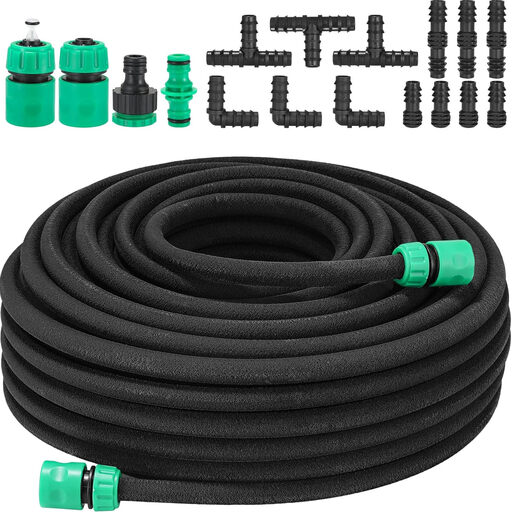
Why this product suits this profile: This 50-metre set is suitable for vegetable beds, flower beds, trees and smaller lawn areas if you want straightforward watering without an app.
The specified connectors and recommended pressure make it easy to check the technical requirements. The hose can be cut to size and laid above ground or just below the surface.
50 metres of hose, four T-connectors and 1/2-inch connections, according to the product description.
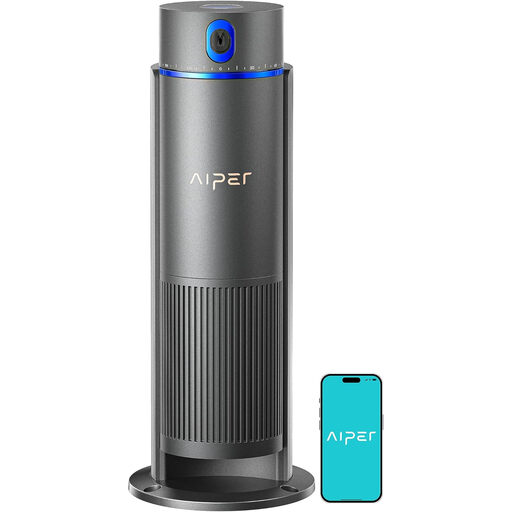
Why this product suits this profile: For homeowners with a lawn and several beds, this system offers app control, plant-specific schedules and, according to the supplier, up to ten watering maps.
The rain sensor and weather-based controls help prevent unnecessary watering. Before installation, check your water connection, Wi-Fi range and frost protection requirements.
App for iOS and Android, 2.4 GHz Wi-Fi, Bluetooth and a built-in rain sensor, according to the product details.
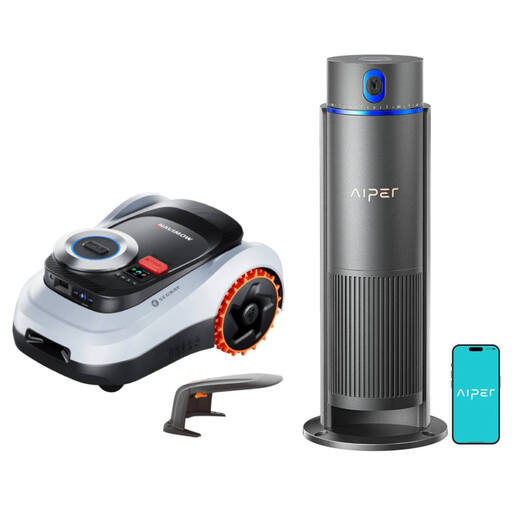
Why this product suits this profile: This bundle combines automatic lawn care with smart garden watering, making it suitable for larger properties and anyone who wants to manage several tasks from one place.
You can schedule watering zones separately, rather than treating your lawn and beds in the same way. Before buying, compare the coverage stated for both devices with the size of your property.
The bundle includes LiDAR navigation and app control, while the IrriSense 2 supports up to ten watering maps.
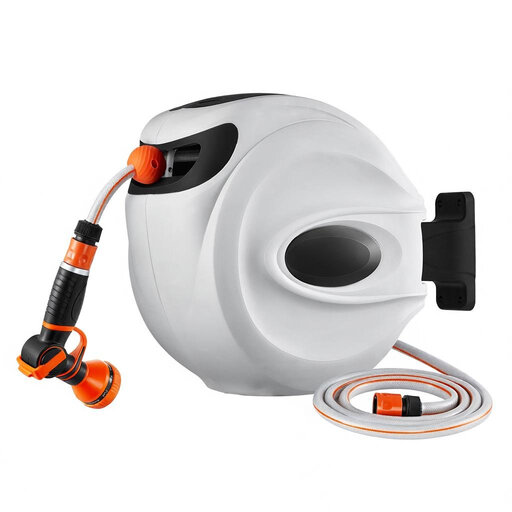
Why this product suits this profile: This set is ideal if you want to water your lawn, patio or beds, or wash your car, using a spray nozzle whenever you need it, without automatic scheduling.
The 25-metre hose and 180-degree swivel range are clearly specified, making it easier to judge how much area it will cover before mounting it on the wall.
Automatic rewind, a 180-degree wall bracket, a nine-pattern spray nozzle and three quick-connect adapters, according to the product description.
We’ve put together a complete, regularly updated list of products that meet these strict selection criteria and fully comply with the safety regulations in force in the EU.
First, check your tap, water pressure and the areas you want to water. Then lay out the hose, connectors or sprinklers and set up the zones. For app-controlled systems, connect to Wi-Fi, set your schedules and position the rain sensor if required. Run the system for several cycles first, checking the spray pattern for leaks and areas that are getting too wet.
Its lifespan depends on the materials, UV exposure, water quality and how it is stored over winter. Check hoses regularly for cracks and blocked openings. Protect electronic controllers from frost, keep connections dry and drain water pipes before winter. Always follow the manufacturer’s warranty and maintenance advice.
Water-saving garden irrigation is possible when watering times are adjusted to suit the soil, plants and weather. Drip irrigation can deliver water more precisely to the roots, while a rain sensor can prevent unnecessary cycles. However, actual water use depends on the settings, water pressure, area and local weather conditions.