
Lieferung heute & morgen

Qualitätsgarantie

Willkommens-Angebote freischalten: KOSTENLOSE Lieferung | Bis zu 80 % RABATT | Kostenlose 30-Tage-JoyPlus-Testphase
App herunterladen
A dry lawn, wilting flower beds and daily watering with a hose are among the most common reasons to look for a smart garden irrigation system. A smart solution can automate watering schedules and make control easier through an app. However, marketing claims can lead to the wrong purchase if you don’t check the technical requirements and ongoing effort involved.
A weather-adjusting irrigation controller can factor rainfall data and sensor readings into its schedule. The results depend on how it’s set up, the water pressure, the nozzles and the irrigation zones you enter. Claims such as ‘up to 40%’ or ‘up to 50% less water’ are therefore not guaranteed for every garden.
Check whether a system can actually adjust watering schedules or simply display notifications. Automatic watering pauses when it rains are particularly useful for saving water in the garden.
A DIY irrigation system can’t be fully set up in every garden in just a few minutes. Before buying, check:
The Aiper IrriSense 2 combines the control unit, sprinkler, solenoid valve and fertiliser feed in one system. Even so, installation time depends on the size of your garden, the water connection and how you route the pipes.
Lawns, vegetable patches, flowers and shrubs don’t necessarily need the same amount of water or watering time. A system with multi-zone irrigation is only beneficial if you can plan each area separately. With a shared pipe, delicate plants may get too much water while a sunny patch of lawn gets too little.
A smart irrigation controller with an app should clearly state which wireless standards it supports. According to the product information, the Aiper IrriSense 2 uses 2.4 GHz Wi-Fi and Bluetooth. This is suitable for many outdoor areas, but you should check the connection at the water outlet before installation. If the Wi-Fi signal is weak, remote control may be limited.
Useful features include:
Sprinklers and drip systems need the right water pressure. According to the Aiper IrriSense 2 safety instructions, excessive pressure can cause leaks or damage. On the other hand, pressure that’s too low can lead to uneven water distribution.
So, before you buy, measure or check:
A weather-resistant controller isn’t necessarily designed to withstand prolonged freezing temperatures or being submerged. The Aiper IrriSense 2 connections should be kept dry. Before freezing weather, disconnect and drain the water supply and pipes. Store the controller somewhere protected over winter to prevent freezing water from damaging the valves and pipes.
The products below serve different purposes around the home and garden. The Aiper IrriSense 2 is designed for automatic watering; the two cameras can complement a garden setup, but they don’t replace an irrigation system.
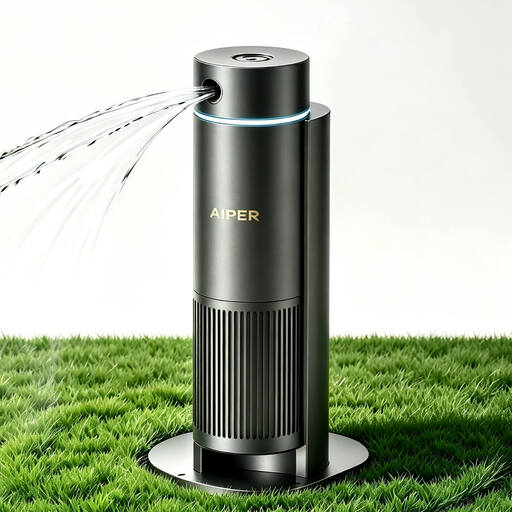
Why it suits this type of buyer: App control, Wi-Fi and Bluetooth make this a good choice for garden owners who want to set up automatic watering themselves.
Up to 10 watering maps allow you to plan separately for lawns, flowers, shrubs and vegetables. Rain adjustment can pause unnecessary watering.
Tool-free DIY installation according to the product description, weather adjustment and support for multiple planting areas.
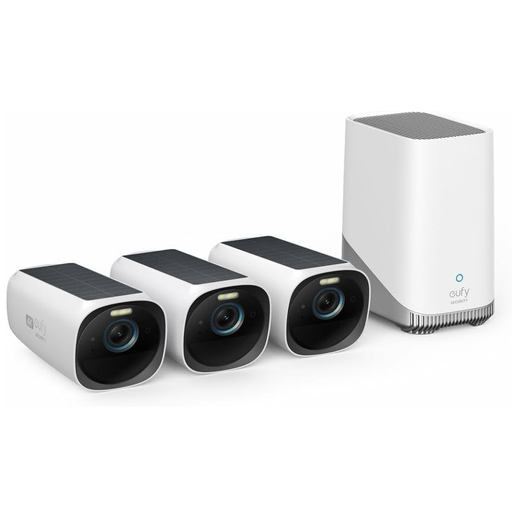
Why it suits this type of buyer: For homeowners who want to monitor their outdoor areas with a camera as well as controlling their irrigation.
This camera is listed as an outdoor model with a solar panel. It doesn’t need a power socket at the installation point, but it does need a suitable position with enough sunlight.
4K resolution, expandable local storage and two-way audio according to the product information; no direct watering function.
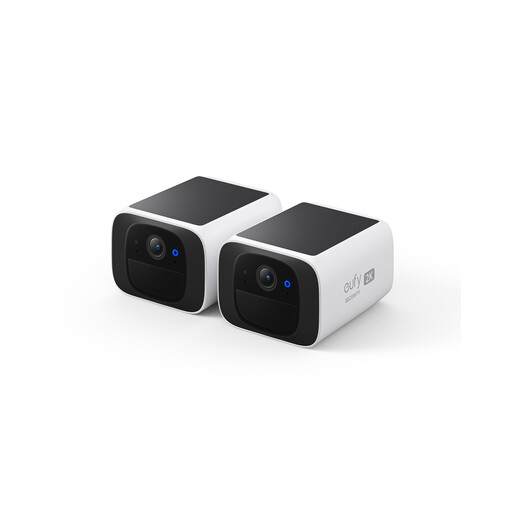
Why it suits this type of buyer: A useful extra garden camera for smaller properties, paths or areas around water connections.
This camera is designed for outdoor use and, according to the instructions, needs a 2.4 GHz Wi-Fi connection. Check sunlight and network coverage at the intended mounting position beforehand.
2K resolution, solar charging and app access with no monthly fees according to the product information; the camera doesn’t control irrigation.
We’ve put together a complete, regularly updated list of products that meet these strict selection criteria and the safety regulations in force in the EU.
According to the product description, it’s designed for tool-free DIY installation. Before you begin, check your tap, water pressure, pipe routes and Wi-Fi coverage. Then set up your watering zones in the Aiper app and create individual schedules.
According to the product information, the system is designed for gardens, lawns, flower beds, vegetable patches and drip irrigation. Plan each area separately so you can adjust watering time and volume to the plants, soil and amount of sun.
As well as water, you’ll typically need to budget for electricity or battery charging, replacement parts, hoses, nozzles and, if needed, adapters. According to the product information, the Aiper IrriSense 2 has a built-in battery that charges via a solar panel. For a realistic estimate, also factor in local water rates and the area you plan to water.