Sofa users looking for a gentle breeze
If you want to move the air where you’re sitting, look for a model you can direct towards you without having to move the whole unit. IMTEST notes that airflow can feel uncomfortably strong at close range.


For a comfortable breeze right by the sofa, the key is to direct the airflow carefully and assess it at the setting you’ll actually use. Oscillation or moving the circulator can help distribute air around the room; if you’re using it while you sleep, noise and ease of use matter too. A fan moves the air and can cool your skin, but it won’t lower the room temperature, as Germany’s Federal Environment Agency explains.
If you want to move the air where you’re sitting, look for a model you can direct towards you without having to move the whole unit. IMTEST notes that airflow can feel uncomfortably strong at close range.
If the unit will be in the same room as your bed, check how loud it is at the setting you actually plan to use. IMTEST highlights low noise levels as an important consideration for bedrooms and home offices.
If the sofa, bed and walkways limit where you can place a fan, the right design will depend on whether you have a sturdy table or enough floor space, and how you want to direct the airflow.
A good fit if: you have a sturdy surface free beside the sofa and want the breeze to reach someone sitting nearby.
Bear in mind: oscillation doesn’t replace careful positioning. Check the tilt, footprint and noise at your preferred setting.
A good fit if: you want to move air around the room from a spot further away.
Bear in mind: a focused airflow could feel too strong right by the sofa. Manufacturers’ claims about range or energy savings don’t prove how well it will work in your bedroom.
A good fit if: you don’t have a suitable table free, or want the airflow to reach different seated or bed heights.
Bear in mind: the unit takes up floor space. Check its stability, cable routing and the lowest useful setting.
| Priority | What to check when buying | Who is it particularly important to? |
|---|---|---|
| Adjustable airflow by the sofa | Lowest speed setting, tilt, oscillation and distance from the intended position. | If you want a comfortable breeze by the sofa without it feeling too strong at close range, this is the main priority. Around 36% of consumers put airflow where they sit first. |
| Quiet in the sleeping area | Noise rating and the setting it applies to, night mode and operating sounds. | If you want to use the unit while falling asleep or sleeping, pay particular attention to the noise at the setting you need and to unobtrusive controls. Around 29% of consumers put a quiet night’s sleep first. |
| Safe positioning and air distribution | Dimensions, stability, clear air intake, cable routing and direction. | If the sofa and bed limit available space and airflow paths, it’s important to know where the unit can stand securely and how you can direct air between the two areas. Around 21% of consumers prioritise placement and air distribution. |
| Energy consumption | Power consumption in watts at the relevant settings and how long you plan to use the fan. | If you use a fan regularly, you’ll want to estimate the energy use at the setting you actually choose, rather than relying on the maximum figure alone. Around 14% of consumers put running energy costs first. |
A fan doesn’t move heat out of the room. According to Germany’s Federal Environment Agency, moving air can cool your skin, but it won’t lower the room temperature.
Choose airflow to suit where you spend your time. If it’s cooler outside than indoors, opening the windows may also help; Germany’s consumer advice centre recommends waiting until then to ventilate.
A low noise rating may apply to the lowest setting. The setting you need for a comfortable breeze may sound different, so manufacturers’ figures are only meaningful when you know which setting they relate to.
Compare the noise and airflow at the settings you’d actually use by the sofa or while sleeping.
Airflow can feel uncomfortably strong at close range. The MeacoFan 1056 manual also warns against blocking the air inlets.
Choose a stable position with clear air intakes, and if needed, direct the airflow so it passes beside where you’re sitting.
The MeacoFan 1056 is designed for use on a table or floor, while the height-adjustable 1056 P is an alternative with horizontal and vertical air distribution.
The Turbo Silence Extreme+ VU2730 is a table fan with automatic horizontal oscillation.
The 3000 Series CX3050/01 table fan can be tilted and oscillated.
The 6303DC is designed as a directional floor air circulator for situations where you don’t want the unit on a surface right beside the sofa.
The Cool CF1 is a table fan with an oscillating movement and no externally accessible fan blades.
This selection includes table and pedestal fans that let you direct the airflow by the sofa or in the bedroom.
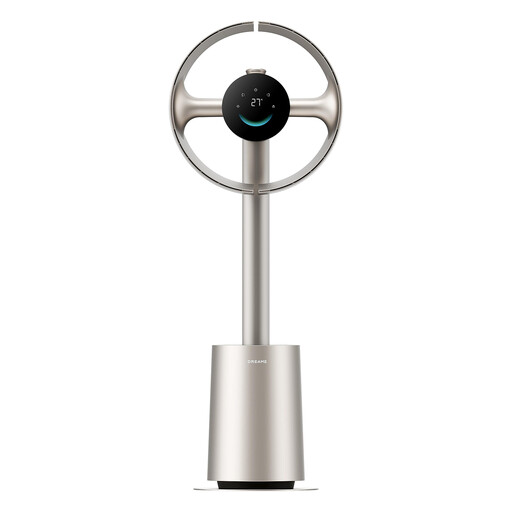 No image available
With a night mode, timer and adjustable air distribution, you can tailor the unit to different times of day and airflow directions.
10 speeds; 180° horizontal and 90° vertical oscillation; 55 W. Keep the air inlet and outlet clear, and place the unit on a stable, level surface.
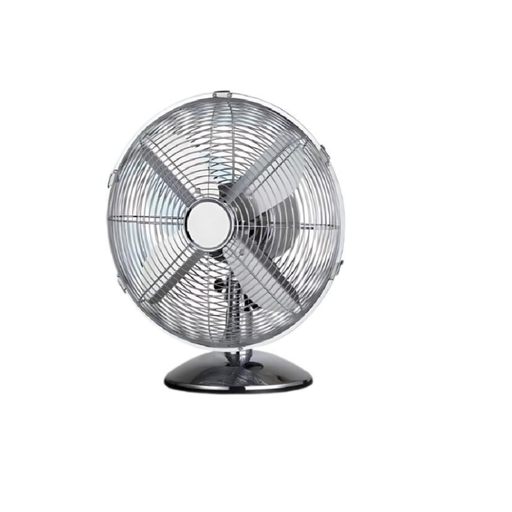 No image available
If you have a clear surface near the sofa, this table fan offers three speeds and automatic left-to-right oscillation.
Manually adjustable tilt; 30 cm; 35 W; metal housing with carry handle.
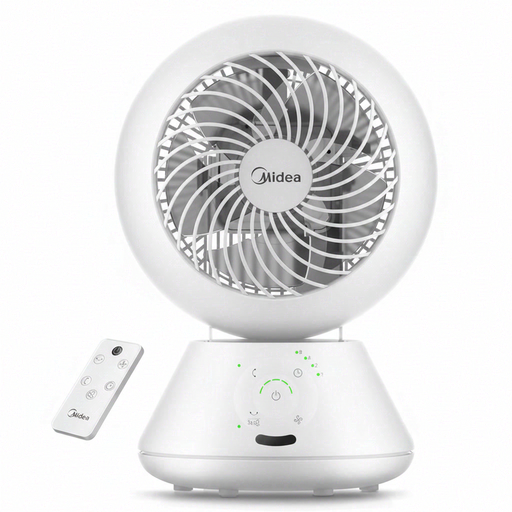 No image available
If you want to distribute air in several directions and operate the unit where it’s positioned, the oscillation function and remote control are useful features.
Five speeds; 120° horizontal and 105° vertical oscillation; 30 W. Place on a stable, level surface.
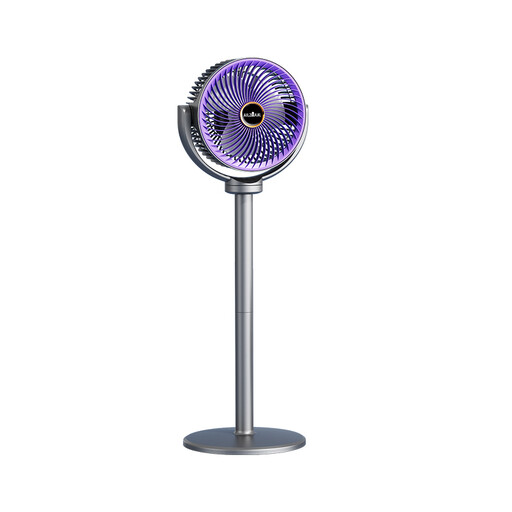 No image available
The height-adjustable design with a tilting head is an option if you want to direct the airflow at sitting height.
Three height settings; five speeds; head tilts by 90°; 2400 mAh battery and Type-C charging.
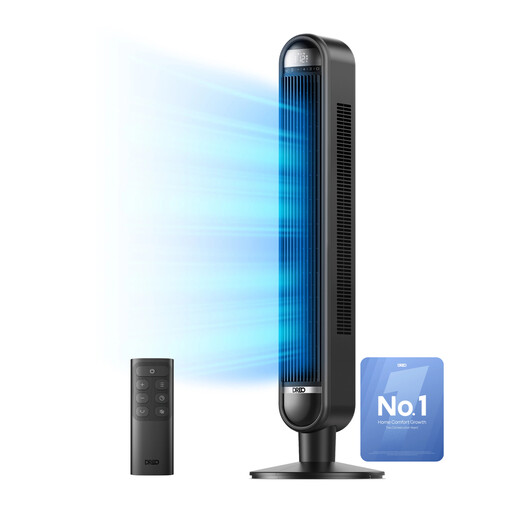 No image available
Sleep mode and a timer are listed as selectable features for use in the bedroom.
Six speeds, four modes, 90° oscillation and a timer of up to 12 hours. Use only on a level, dry surface, with the base securely fitted.
No. An air circulator moves the air that’s already in the room, and the airflow may feel cool on your skin. If it’s cooler outside than indoors, opening the windows and using sun protection can also help limit heat in the room.
Place it securely and keep the air intakes clear of curtains and walls. Direct the airflow so it feels comfortable where you’re sitting, and follow the instructions for your model when positioning and cleaning it.
Divide the power consumption of the setting you use, in watts, by 1000, then multiply it by the number of hours the fan runs. This gives you the energy consumption in kWh. Germany’s consumer advice centre also distinguishes between the statutory warranty provided by the seller and a voluntary manufacturer’s or retailer’s guarantee.
For market surveillance, Germany’s Federal Network Agency lists requirements including correct CE marking, identifiable manufacturer details and German instructions with the necessary warnings. CE marking is a declaration of conformity for which the manufacturer is responsible; it isn’t an independent quality mark.
Retailers covered by the take-back obligations described by Stiftung ear must offer free 1:1 take-back of an old appliance of the same type and with essentially the same function when you buy a new electrical appliance. Check the returns process with the retailer, as this obligation doesn’t apply to every seller.