
Lieferung heute & morgen

Qualitätsgarantie

Willkommens-Angebote freischalten: KOSTENLOSE Lieferung | Bis zu 80 % RABATT | Kostenlose 30-Tage-JoyPlus-Testphase
App herunterladen
A flexible sleeping solution is practical in many situations—whether for spontaneous overnight guests, a weekend camping trip, or the next music festival. An air mattress often seems like the obvious choice. However, the selection is vast, and not every model delivers on its promise. Before you make a decision, it's helpful to know the typical pitfalls that often lead to disappointment and buyer's remorse.
As your Joybuy Product Recommendation Officer, I'll help you distinguish the important features from empty marketing promises.
Many buyers experience the same problems after a short time. These are often based on overlooked product details that are crucial for durability and comfort.
To avoid these pitfalls, you should check three core aspects. These determine whether a portable sleeping solution is suitable for your purpose.
The material is the foundation for durability and airtightness.
The internal structure provides the necessary stability. Inexpensive models often have only a few large air chambers. Higher-quality air beds use Coil-Beam or I-Beam structures—hundreds of internal connections that distribute weight evenly and mimic the feel of a conventional mattress.
The inflation mechanism should match your primary use case.
The dimensions affect both comfort and portability.
Here are some recommendations tailored to specific user profiles that take the above criteria into account.
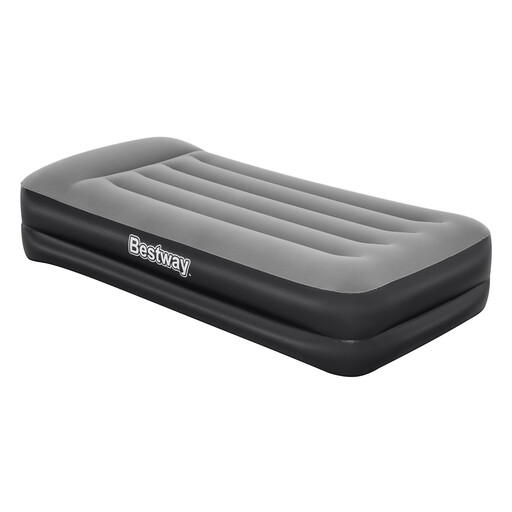
Why This Fits Their Persona: Ideal for anyone who wants to offer guests a comfortable place to sleep quickly and easily. The 46 cm height and stable construction provide the feel of a real bed.
According to the manufacturer, the Tritech material is more stretch-resistant, minimizing overnight air loss. The integrated AC pump is perfectly designed for home use, avoiding any compatibility issues.
Quick setup in approx. 3 minutes; comfortable bed height (46 cm); shape-retentive internal structure for good support.
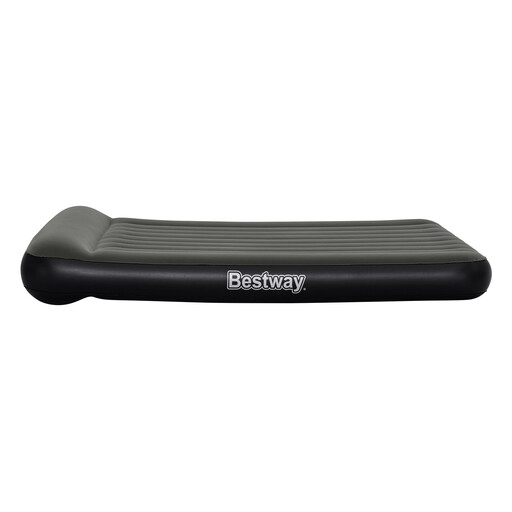
Why This Fits Their Persona: Perfect for couples looking for a comfortable sleeping solution for two that works both indoors and when camping without a power outlet. The Queen size offers ample space.
The integrated battery-powered pump solves the problem of power dependency, making the mattress versatile. The Tritech material also ensures shape retention and minimal air loss.
Power-independent setup in approx. 3 minutes; Queen size for 2 people; quick-release valve for easy deflation.
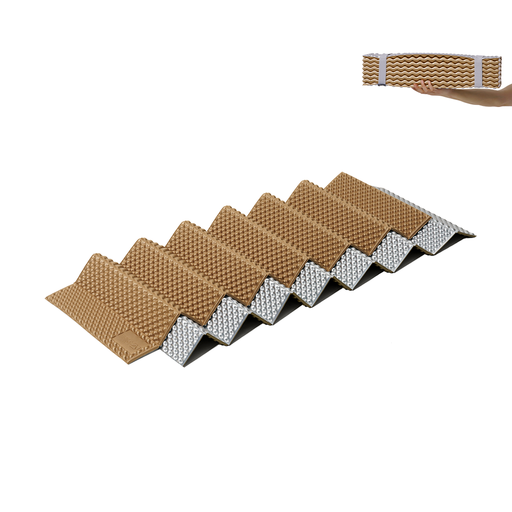
Why This Fits Their Persona: For hikers and backpackers where every gram counts. This sleeping pad offers reliable insulation from the cold ground and is extremely lightweight and durable.
As a foam pad, it bypasses all the problems of air mattresses: no inflation, no air loss, no punctures. It is a purely functional, fail-safe solution.
Extremely lightweight (approx. 0.5 kg); XPE foam insulates against ground cold; robust and resistant to sharp stones.
We have compiled a complete, up-to-date list of products that fully meet these strict selection criteria and safety standards.
1. Why does my air mattress lose air overnight? A slight loss of pressure is normal and can be caused by the air inside the mattress cooling down overnight or by minor stretching of the material. However, a significant loss suggests inferior material or a leak. Materials like Tritech are designed to minimise this stretching. Check that the valves are tightly sealed and inspect the surface for small punctures if the pressure loss is severe.
2. Can I use an air mattress as a permanent bed? Air mattresses are primarily designed for temporary use. For permanent use, they generally lack the ergonomic support of a conventional mattress, which can lead to postural problems. However, high-quality models with a stable internal structure can be a comfortable solution for several consecutive nights.
3. How do I store my air mattress correctly to extend its lifespan? Ensure the mattress is completely clean and dry before packing it away to prevent mould and mildew. Deflate it completely and fold or roll it loosely without creating sharp creases. Store it in the provided bag in a cool, dry place, protected from direct sunlight and sharp objects.