
Lieferung heute & morgen

Qualitätsgarantie

Willkommens-Angebote freischalten: KOSTENLOSE Lieferung | Bis zu 80 % RABATT | Kostenlose 30-Tage-JoyPlus-Testphase
App herunterladen
A high-quality air mattress is a flexible and space-saving solution for many situations—whether as a comfortable inflatable guest bed for spontaneous visitors, a durable camping air mattress for your next adventure, or a comfortable base while travelling. However, the market can be overwhelming, and many products don't live up to their promises. As your Joybuy Product Recommendation Officer, I'll help you identify the crucial features and avoid common buying traps.
Before we dive into the key specifications, let's look at the three most common problems that lead to frustration and a poor sleeping experience.
Understanding these weaknesses is the first step toward making an informed purchasing decision.
To avoid the issues mentioned above, you should carefully examine three technical aspects before buying. These are crucial in determining the durability, comfort, and practicality of your inflatable sleeping solution.
The outer material is usually PVC (Polyvinyl Chloride) or Vinyl, often with a flocked surface for added comfort. However, the internal structure is more critical. Simple models have only a few large air chambers, which leads to instability.
Look for terms like Fiber-Tech construction or Wave Beam construction. In these designs, thousands of high-strength polyester fibres or vertical air chambers stabilise the air bed from the inside. The result is a significantly firmer, more even, and more durable sleeping surface that better supports the body. For an inflatable sleeping pad used outdoors, tear-resistant materials like TPU-coated nylon are also important, as they are more resistant to sharp stones or branches.
The method of inflation is a key comfort feature. There are four common variants:
The height affects both comfort and intended use. A tall air bed (approx. 40–50 cm) makes getting in and out of bed easier and feels more like a real bed. This is often the more pleasant choice for guests. A low-profile air mattress or inflatable sleeping pad (approx. 8–25 cm) is lighter, has a smaller pack size, and is therefore better suited for camping and travel. Always pay attention to the dimensions when inflated, as well as the pack size and weight, to ensure the product fits your transport needs.
Based on the criteria above, we have selected a few products for typical user profiles.
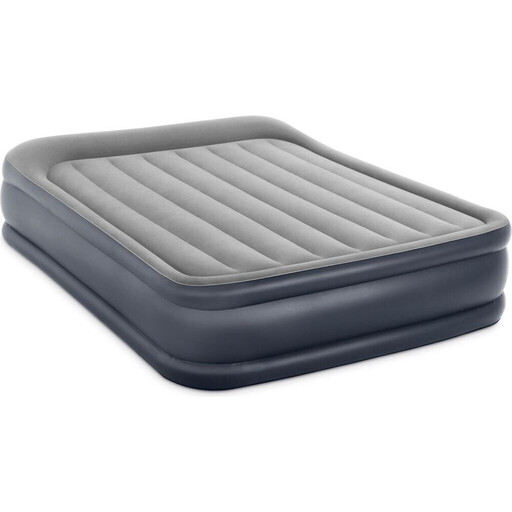
Why This Fits Their Persona: Perfect for anyone who wants to offer guests a comfortable place to sleep quickly and easily. The 42 cm height and integrated pump make it a proper guest bed.
The integrated 220V pump solves the problem of impractical inflation. The Fiber-Tech construction provides stability and minimises air loss, counteracting typical comfort issues.
Inflates and deflates in about 3 minutes; comfortable bed height of 42 cm for easy entry and exit.
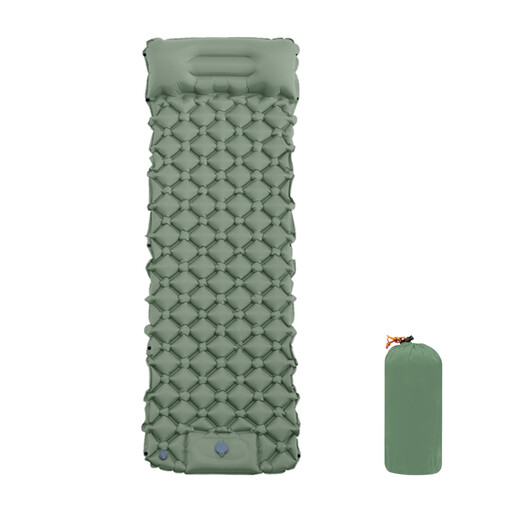
Why This Fits Their Persona: Designed for hikers and campers where every ounce counts. Ultralight, extremely compact, yet durable enough for outdoor use.
The integrated foot pump makes you independent of power sources and external accessories. The tear-resistant 50D nylon with TPU coating protects against damage on uneven ground.
Very low weight (approx. 690 g) and small pack size (comparable to a water bottle); inflates quickly in 30-60 seconds via foot pressure.
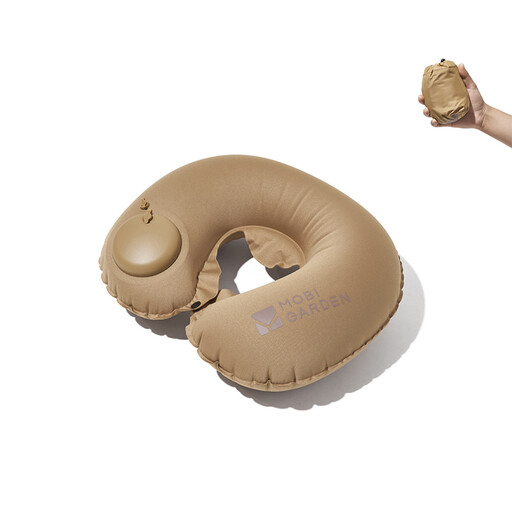
Why This Fits Their Persona: Ideal for long journeys by car, train, or plane. This travel pillow provides neck support and packs down extremely small thanks to its innovative design.
The hygienic press-to-inflate mechanism avoids impractical inflation by mouth. The airtight TPU bladder reliably holds pressure and prevents overnight deflation.
Inflates by repeatedly pressing the valve; ergonomic U-shape to support the neck; very small pack size for carry-on luggage.
A good sleep system isn't just about the right mattress. A matching inflatable pillow can significantly increase comfort without taking up much space in your luggage.
We have compiled a complete, up-to-date list of products that fully meet these strict selection criteria and relevant safety standards.
1. Does an air mattress always lose some air overnight? A minimal loss of pressure is normal and not a defect. It can be caused by two factors: First, the material (PVC/Vinyl) will stretch slightly during the first few uses. Second, a drop in the ambient temperature overnight can cause the air inside to contract, making the mattress feel softer. However, a significant loss of air that results in you lying on the floor indicates a leak.
2. How do I find a leak in my air mattress? Inflate the mattress fully and place it in a quiet room to listen for any hissing sounds. If that doesn't work, mix water with a little dish soap in a spray bottle. Spray suspicious areas, especially the seams and the area around the valve. The leak is where soap bubbles form. Mark the spot, let the mattress dry completely, and then use a suitable patch kit.
3. What is the difference between an air mattress and an air bed? The terms are often used interchangeably, but there is a general distinction. An air bed often refers to the taller, more comfortable models with an integrated pump, intended as a substitute for a real bed for guests. The term air mattress is broader and also includes flatter, lighter models for camping, festivals, or as a simple sleeping surface.