
Lieferung heute & morgen

Qualitätsgarantie

Willkommens-Angebote freischalten: KOSTENLOSE Lieferung | Bis zu 80 % RABATT | Kostenlose 30-Tage-JoyPlus-Testphase
App herunterladen
A high-quality air mattress is a flexible and space-saving solution, whether as a comfortable guest bed for unexpected visitors or as a practical sleeping surface for camping. But the market is crowded, and many products don't live up to their promises. Before you make a decision, it's important to know the typical pitfalls that often only become apparent after the purchase.
This guide focuses on the crucial technical features and helps you make the right choice for your specific needs, without being swayed by marketing promises.
Many buyers experience disappointment shortly after their purchase. These three problems are particularly common and can be avoided with an informed choice:
To avoid the problems mentioned above, you should carefully check three technical aspects before buying. These are the primary determinants of the longevity and comfort of your inflatable mattress.
The internal structure is the skeleton of the air bed. Simple models often use only basic PVC baffles, which can lead to an uneven surface. More advanced constructions offer significantly more stability:
The choice of pump should depend on its primary place of use. An inflatable guest bed for home use has different requirements than a mobile sleeping solution.
The outer material affects both the feel and the robustness of the mattress.
Here are some product recommendations tailored to specific user profiles that meet the criteria mentioned above.
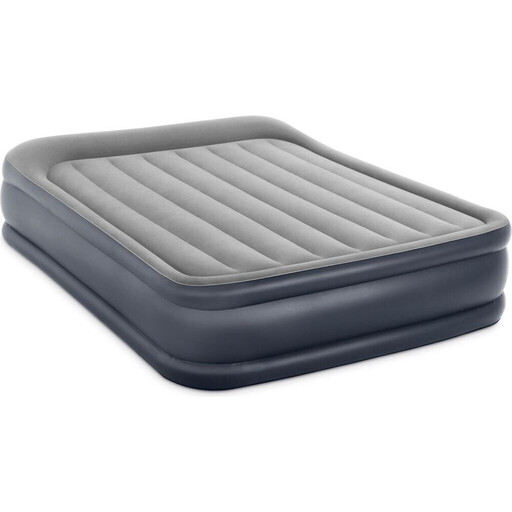
Why this model is a great fit: Ideal for anyone who wants to offer their guests more than just a makeshift solution. The 42 cm height makes getting in and out of bed much easier and provides the feel of a real bed. Perfect as a fully-fledged guest bed for home use.
The integrated 220V pump makes setup effortless. The Fiber-Tech construction ensures a stable, flat sleeping surface and minimises overnight air loss.
The comfortable height of 42 cm and rapid inflation in about 3 minutes make it an extremely practical and comfortable guest bed.

Why this model is a great fit: For campers who don't want to sacrifice comfort but don't have access to a power outlet. The Queen size offers ample space, and the battery-powered pump ensures independence.
Solves the issue of an unsuitable pump with its battery operation. According to manufacturer Bestway, the Tritech material is designed to hold its shape and minimise air loss.
The integrated, battery-powered pump (requires 4x D-cell batteries) makes the air bed ready for use anywhere, without needing an external power source or manual effort.
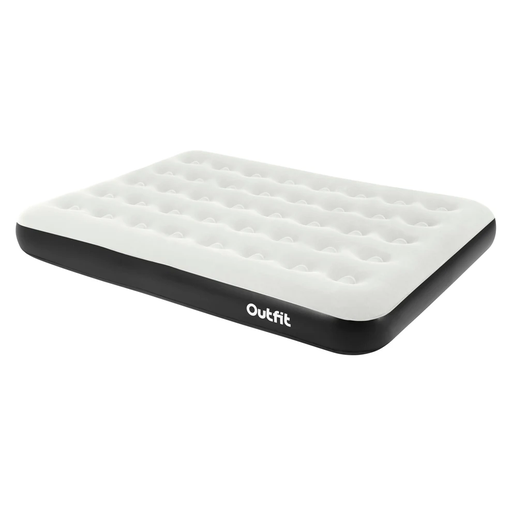
Why this model is a great fit: A straightforward and functional solution for two people who already own a pump or plan to purchase one separately. Suitable for occasional use at home or while camping.
By omitting an integrated pump, a potential point of failure is eliminated. The user has full control over the choice of pump and doesn't pay for a feature they don't need.
A focused product with an attractive price-performance ratio. The robust PVC material and the included repair kit provide a solid basic package.
We have compiled a complete, up-to-date list of products that meet these strict selection criteria and comply with current safety regulations.
To minimise air loss, avoid fully inflating the mattress on its first use, as the material may stretch slightly at first. If necessary, add a little more air after a few hours. Ensure the valve is closed tightly and is clean. Also, place the mattress on a clean, flat surface free of sharp objects.
Deflate it completely. If necessary, clean the surface with a damp cloth and mild soap, and let it air dry completely. Moisture can lead to mould. Fold the mattress loosely and store it in the provided bag in a cool, dry place to protect the material.
That depends on your priorities. A foam sleeping pad is lighter, completely puncture-proof, and often provides better insulation from the cold ground (indicated by the R-value). An inflatable camping mattress generally offers greater comfort but is heavier, bulkier, and susceptible to damage. For tours where every gram counts, a sleeping pad is often the better choice. For comfort-oriented tent camping, an air bed can be more advantageous.