
Lieferung heute & morgen

Qualitätsgarantie

Willkommens-Angebote freischalten: KOSTENLOSE Lieferung | Bis zu 80 % RABATT | Kostenlose 30-Tage-JoyPlus-Testphase
App herunterladen
An unexpected guest is on their way, or perhaps you need a flexible sleeping option for a new apartment? An inflatable guest bed with a built-in pump seems like the ideal, space-saving solution. It's quick to set up and just as quick to store back in the closet after use. But the reality is often different: overnight air loss, an uncomfortable sleeping height, or a pump that generates more noise than air.
Before you make a decision, you should be aware of three common pitfalls that can significantly compromise comfort and turn a supposedly practical solution into a disappointment.
Many inflatable beds promise more than they deliver. Pay attention to these three critical points to avoid a bad investment.
To avoid the problems mentioned above, you should focus on a few core technical features that determine durability and comfort.
The outer shell of an air mattress is typically made of PVC (polyvinyl chloride). However, the internal structure is what's crucial for stability and preventing air loss. Basic models use simple vertical or horizontal air chambers (I-beam construction), which can deform under pressure.
More advanced designs, such as the Fiber-Tech technology developed by Intex, use thousands of high-strength polyester fibres to connect the top and bottom surfaces. Unlike PVC, these fibres barely stretch, resulting in significantly greater structural stability, firmness, and durability. The bed maintains its shape and firmness throughout the night.
The pump is the defining feature of an air mattress with a built-in pump. There are significant differences here:
The height of the air mattress is an often-underestimated factor for comfort. A high-rise air mattress with a height of 42 cm to 46 cm simulates the height of a conventional bed with a frame and mattress. This not only makes getting in and out easier but also provides better insulation from the cold floor and ensures a more pleasant sleeping experience overall. Models under 30 cm are better suited for camping or as an emergency solution.
Instead of presenting an overwhelming list, we have selected models that meet specific needs and purposefully avoid the pitfalls mentioned earlier.
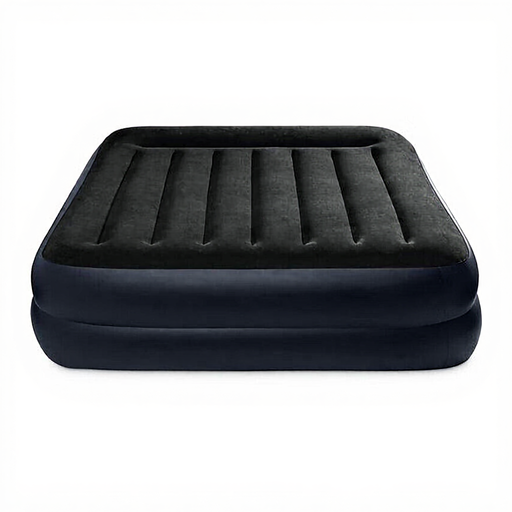
Why This Fits Their Persona: Ideal for those who occasionally host guests and need a straightforward yet comfortable solution for 2 people. It's quick to set up and just as quick to store, without compromising on sleeping height.
At 42 cm high, it offers comfortable entry and exit, avoiding the feeling of sleeping on the floor. According to the manufacturer, the integrated 220-240V pump ensures a quick setup in about 4 minutes.
A balanced combination of comfort height, quick setup, and sleeping space for two people. The Fiber-Tech construction provides good stability.
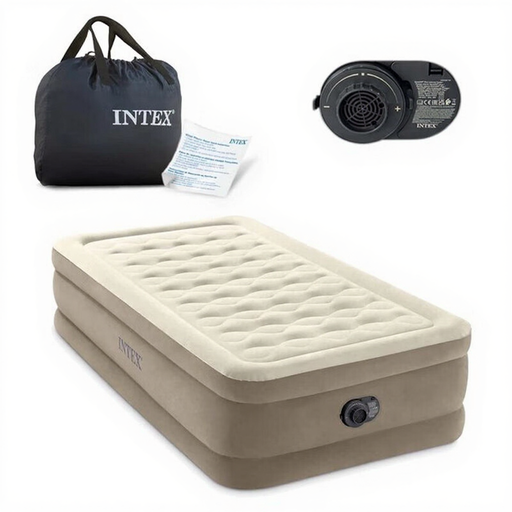
Why This Fits Their Persona: For anyone who wants to offer their guests (or themselves) a level of comfort that rivals a conventional bed. Perfect as a long-term guest bed solution for one person.
The impressive 46 cm height and Fiber-Tech construction provide exceptional stability and minimise air loss. The flocked pillow-top surface adds an extra layer of comfort.
Excellent stability and height for a luxurious sleeping experience. According to Intex, the integrated electric pump allows for setup in about 3 minutes.
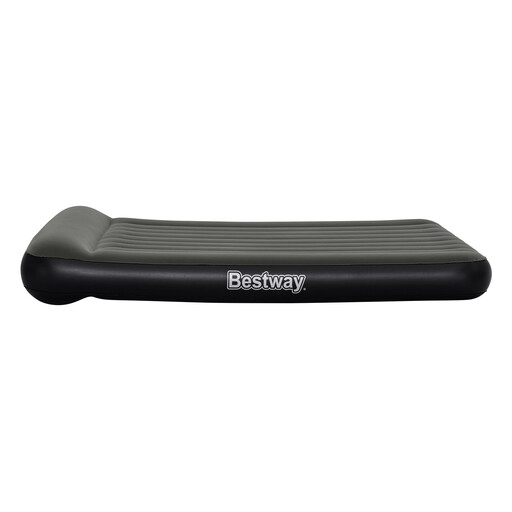
Why This Fits Their Persona: Perfect for use in a tent, a holiday cabin without a direct power outlet, or as a flexible guest bed with a pump that doesn't depend on a wall socket.
The built-in, battery-operated pump (requires 4x D-cell batteries, not included) makes you independent of power outlets. The material, which Bestway calls Tritech, is designed for durability and shape retention.
Off-grid operation thanks to the battery-powered pump. The material is designed to minimise overnight air loss and withstand repeated inflation and deflation.
We have compiled a complete, up-to-date list of products that fully meet these strict selection criteria and all applicable safety regulations.
With proper use and storage, a high-quality air mattress can last for several years. The key factors are material quality (e.g., thicker PVC, a fibre-composite construction) and avoiding overloading or exposure to sharp objects. The lifespan of the built-in pump depends on the frequency of use but is generally designed for long-term durability in brand-name products.
A slight loss of pressure during the first few nights is normal, as the PVC material stretches slightly due to weight and temperature changes. Simply top it up with a little more air if needed. However, persistent, significant air loss indicates a leak or a faulty valve. Ensure the valve is tightly sealed after inflation. Always place the bed on a clean, flat surface or a protective ground cloth to prevent damage from underneath.
Let the air out completely—ideally using the pump's deflation feature, if available. Then, fold the bed loosely without creating sharp creases. Store it in the included bag in a dry, temperature-stable location. Avoid basements with high humidity or attics with extreme summer and winter temperatures, as this can make the material brittle over time.