
Lieferung heute & morgen

Qualitätsgarantie

Willkommens-Angebote freischalten: KOSTENLOSE Lieferung | Bis zu 80 % RABATT | Kostenlose 30-Tage-JoyPlus-Testphase
App herunterladen
An air pump needs to do more than move air: it must also be suitable for the valve, pressure range and place where you plan to use it. If you focus only on claims such as “150 PSI” or “particularly powerful”, you could end up buying a pump that isn’t practical for everyday use. A bicycle tyre has different requirements from an air mattress, car tyre or ball.
The following points will help you see past the marketing claims and choose the right portable air pump.
A high maximum pressure can sound impressive. However, an 150 PSI air compressor isn’t automatically suitable for every use. This figure simply indicates the upper pressure limit under the specified conditions. For car tyres, airflow, hose connection, gauge accuracy and duty cycle also matter.
For an air mattress or inflatable boat, on the other hand, a high airflow is often more important than high pressure. A small electric air pump with a high flow rate may be more suitable than a tyre inflator with a high pressure rating.
A cordless air pump gives you flexibility, but it needs to be charged before use. If you’re inflating several car tyres, battery capacity could be the limiting factor. So check the charging time, stated run time and number of uses per charge.
A 12 V tyre inflator plugs directly into your vehicle’s accessory socket. It doesn’t need a charged battery, but should only be used while the engine is running if the product instructions recommend this. This helps avoid putting unnecessary strain on your car battery.
A bike pump or car compressor won’t necessarily fit every valve. Check whether it includes adapters for Schrader, Presta or ball valves, as well as suitable nozzles for air mattresses. Cable and hose length also determine whether you can easily reach all four tyres.
According to its product description, the Intex Double Quick I Hand Pump works on both the upstroke and downstroke, delivering 0.9 litres per stroke. Three valve adapters and a flexible hose make it suitable for a wider range of uses. A hand pump for air mattresses like this may be enough for occasional camping trips or use around the home.
For tyres, the recommended operating pressure matters more than the maximum pressure figure alone. A digital display with an adjustable target pressure can make the pump easier to use. An automatic shut-off helps reduce the risk of exceeding the pressure you’ve set. Even so, you should always follow the tyre pressure recommended by the vehicle or tyre manufacturer.
When it comes to airflow, a high figure in litres per minute can speed up inflation of larger items, but it doesn’t directly indicate the pressure the pump can reach. For tyres, check both figures.
Depending on the model, electric mini compressors may need time to cool down. According to the product information, the CARSUN 12V 150PSI Corded Electric Air Pump should be left to cool for around 5 to 10 minutes after every 10 to 15 minutes of continuous use. If you regularly inflate several tyres, make sure you follow this guidance.
Cable length, weight and storage are worth considering too. A compact car compressor is best kept in the vehicle, while a small cordless air pump may fit in a rucksack or bike bag.
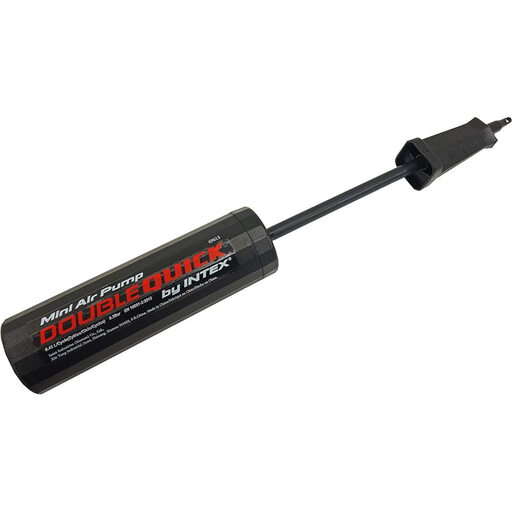
Why this product suits this type of user: This manual air pump needs neither a socket nor a battery, making it suitable for occasional inflation of air mattresses and other inflatables.
Its simple design means there’s no need to check the charge level, hunt for a cable or worry about battery run-time claims.
29 cm long, pumps air on both the push and pull strokes, and is TÜV-tested according to the product description.
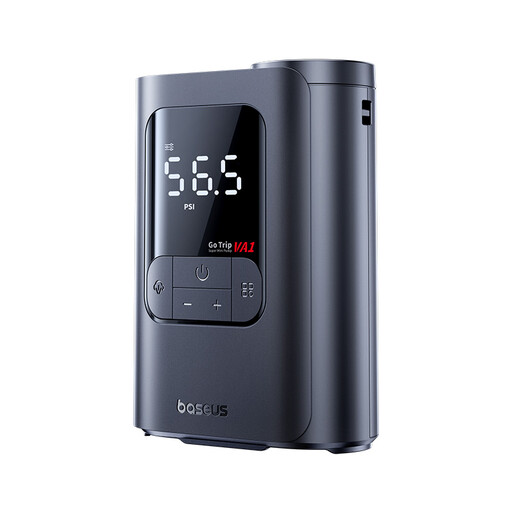
Why this product suits this type of user: With two 2500 mAh battery cells and five inflation modes, this cordless model is designed for users who want one device for their car, motorbike, bicycle and balls.
The battery and mode specifications make its limits clear; you’ll still need to charge it before longer journeys.
82 W motor power according to the product information, five inflation modes and a stated pressure accuracy of ±0,05 bar.
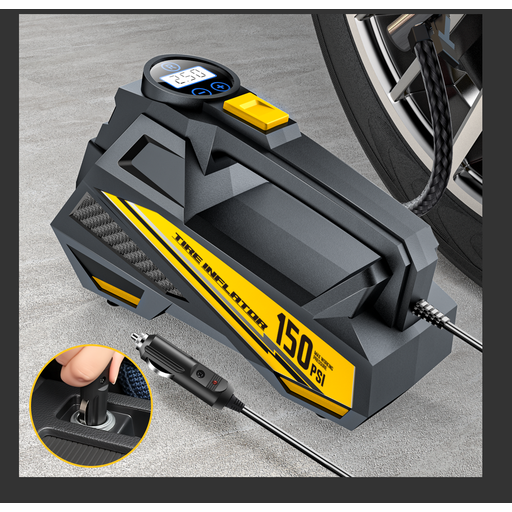
Why this product suits this type of user: This corded tyre inflator is designed for vehicles with a 12-volt accessory socket and, according to the description, can also be used for motorbikes, bicycles and balls.
The 12 V connection means you don’t have to rely on a small built-in battery, although the recommended cooling break limits continuous use.
150 PSI maximum pressure according to the product information, LCD display, automatic shut-off and LED lighting.
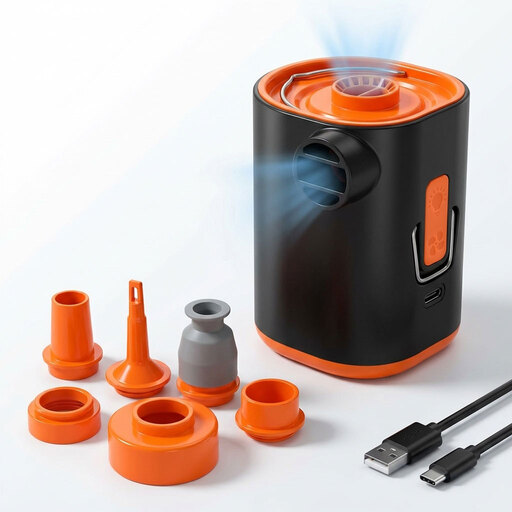
Why this product suits this type of user: This compact battery-powered model is designed for outdoor use and combines inflation, deflation and lighting.
The charging time, battery capacity, run time and flow rate specifications show that it’s intended for suitable outdoor tasks, rather than every type of car tyre.
30 W power, a stated inflation and deflation rate of 300 l/min, and 260-lumen LED lighting according to the product information.
We’ve put together a complete, regularly updated list of products that meet these strict selection criteria and the safety regulations in force in the EU.
For occasional top-ups, a 12 V car compressor or cordless air pump with a pressure gauge and automatic shut-off is a good option. Before buying, check the connection, cable length, recommended operating time and adjustable pressure range. Your vehicle manufacturer specifies the recommended tyre pressure.
Lifespan depends on the motor, battery, frequency of use, storage and whether you allow the pump to cool down as recommended. Store an electric air pump in a clean, dry place. For corded models, the continuous-use guidance is particularly important; for battery-powered pumps, charging cycles and storage affect the available battery capacity.
A cordless air pump usually uses very little electricity. The main factors are charging power, how often you charge it and how many times you can use it per charge. For occasional use, a 12 V model without a battery may be more practical, while a cordless air pump gives you more freedom when cycling, camping or enjoying the outdoors.