
Lieferung heute & morgen

Qualitätsgarantie

Willkommens-Angebote freischalten: KOSTENLOSE Lieferung | Bis zu 80 % RABATT | Kostenlose 30-Tage-JoyPlus-Testphase
App herunterladen
Indoor air quality is a critical factor for well-being and health. Whether it's due to pollen, house dust, pet dander, or odours, many people are looking for an effective solution to improve their indoor air. An air purifier can remedy this. However, the market is overwhelming and filled with technical jargon. As your Joybuy Product Recommendation Officer, I'll help you separate the essential information from the noise and find a device that truly fits your requirements.
Before we dive into the technical details, let's look at three common marketing traps that often lead to a poor purchase.
To make an informed decision, focus on these three objective performance metrics.
The CADR is the most important metric for assessing an air purifier's performance. It indicates how many cubic metres of clean air the device delivers per hour (m?/h). To determine the required CADR for your room, you can use a simple formula:
Room Volume in m? (Length × Width × Height) × Desired Air Changes per Hour = Recommended CADR in m?/h
For typical users, a rate of 3 is sufficient. Air purifiers for allergy sufferers or households with smokers should aim for a rate of 5. A device for large rooms will consequently need a significantly higher CADR value.
The type of filter determines which particles are removed from the air.
No one wants to be disturbed by a loud appliance. A quiet air purifier is especially crucial for use in the bedroom. Pay attention to the specified decibel level in sleep or night mode. Values below 30 dB are generally considered whisper-quiet and will not disturb your sleep.
Here are some models tailored to specific user profiles that meet the criteria mentioned above.
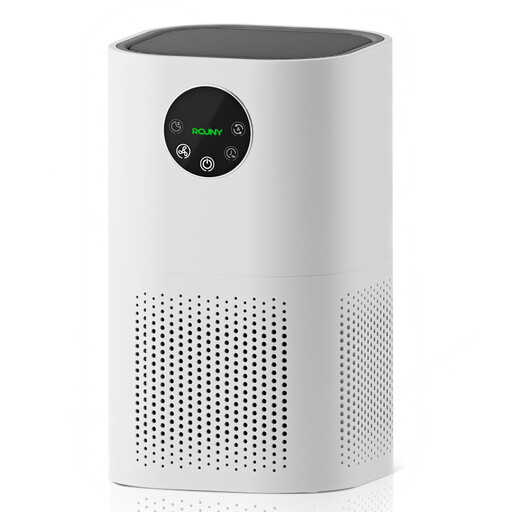
Why This Fits Their Persona: This compact unit is ideal for bedrooms or small offices. It focuses on the core functions necessary for a clean and quiet environment, without distracting from the essentials with unnecessary extras.
The device provides a clear CADR of 150 m?/h, which is realistic for its recommended room size of 20-50 m?. It forgoes expensive smart features, focusing instead on effective H13 HEPA filtration.
Very quiet sleep mode at ≤25 dB for an undisturbed night's rest; H13 True HEPA filter system captures up to 99.97% of airborne pollutants.
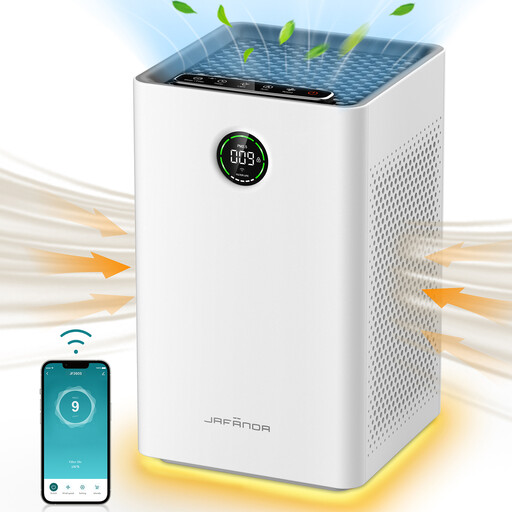
Why This Fits Their Persona: This model offers a great balance of performance and smart features. The combination of HEPA and activated carbon filters is effective against pet dander and odours, while app and voice control simplifies daily life for busy families.
The smart features (App/Alexa) are practical and provide convenient control without compromising core performance. The PM2.5 sensor with auto mode ensures on-demand, energy-efficient purification.
3-stage filtration with an activated carbon layer for odour elimination; control via app and voice assistant; quiet sleep mode at just 23 dB.
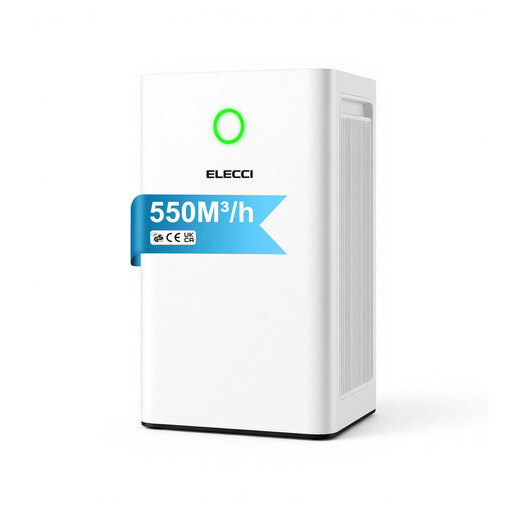
Why This Fits Their Persona: With a very high CADR, this unit is designed for open-plan living spaces, large offices, or for users who need exceptionally fast and thorough air purification. It offers maximum performance for demanding situations.
This model avoids the trap of an undersized unit with its extremely high CADR of 550 m?/h. The washable pre-filter also helps to lower the running costs for replacement filters.
Very high CADR of 550 m?/h for rapid purification of large rooms; washable pre-filter to reduce operating costs.
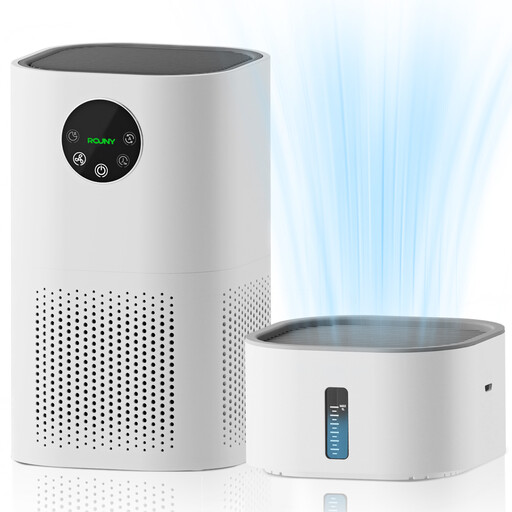
Why This Fits Their Persona: This combo unit is a practical solution for anyone who wants to not only filter particles from the air but also regulate humidity. This is especially beneficial in winter when dry air from heating systems can irritate mucous membranes.
It solves two problems with one device, avoiding the need to buy two separate, potentially mismatched appliances. The specifications for purification (CADR 150 m?/h) and humidification are clearly defined.
Combines an air purifier and humidifier in one unit; H13 True HEPA filtration for clean air; quiet sleep mode (≤25 dB).
We have compiled a complete, up-to-date list of products that fully meet these strict selection criteria and safety regulations.
A filter's lifespan depends heavily on the frequency of use and the air quality. On average, a HEPA filter should be replaced every 6 to 12 months, and an activated carbon filter every 3 to 6 months. Many modern devices have a filter replacement indicator that reminds you automatically. Before buying, check the availability and prices of the correct replacement air purifier filters to estimate the long-term operating costs.
Place the air purifier in the room where you spend the most time, such as the living room or bedroom. For optimal air circulation, the device should be positioned at least 30-50 cm away from walls, furniture, or curtains. Never block the air intake or outlet.
Modern air purifiers are generally energy-efficient. Power consumption depends on the selected fan speed. In low or sleep mode, most devices consume only a few watts, comparable to an LED lamp. In auto mode, the device adjusts its performance to the current air quality, which also contributes to energy savings. While consumption is higher on the maximum setting, this is only needed for short periods during heavy air pollution.