
Lieferung heute & morgen

Qualitätsgarantie

Willkommens-Angebote freischalten: KOSTENLOSE Lieferung | Bis zu 80 % RABATT | Kostenlose 30-Tage-JoyPlus-Testphase
App herunterladen
As a Joybuy Product Recommendation Officer, I see every day how many people are looking for ways to improve the air quality in their own homes. Whether it's due to urban pollen, household dust, pet allergens, or simply the desire for fresher air—the selection of devices can be overwhelming. This guide is designed to help you understand the technical features of air purifiers and make an informed decision that suits your needs and living situation.
To find the right model, a few key technical specs and features are crucial. Here are the most important points to consider.
The most important metric for an air purifier is the CADR (Clean Air Delivery Rate). This value, usually given in cubic metres per hour (m?/h), describes how much clean air the device delivers per hour. A simple rule of thumb is that the CADR should be at least two to three times the room's volume to ensure effective air circulation.
To calculate the room's volume, simply multiply the floor area (in m?) by the ceiling height (in m). An air purifier for large rooms therefore requires a correspondingly higher CADR than a device for a small bedroom.
The heart of any air purifier is its filtration system. Most modern devices combine several stages:
No one wants to be disturbed by a loud appliance, especially in a bedroom or office. The noise level is measured in decibels (dB). An air purifier advertised as quiet should have a value below 30 dB in sleep mode, which is roughly equivalent to a whisper.
Additional features can enhance convenience. A smart air purifier with an app allows you to control and monitor air quality via your smartphone, even when you're on the go. Timer functions, automatic modes that adjust fan speed to the current air quality, and a filter replacement indicator are also practical features.
Based on the criteria above, we have curated a selection of models that cover a range of different needs.
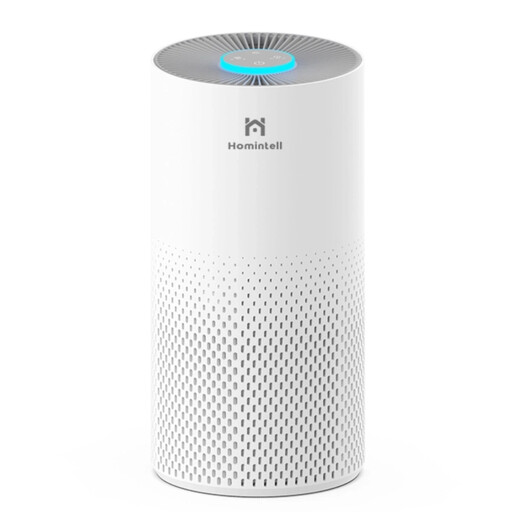
Why it stands out: This model combines solid cleaning performance for smaller rooms with a compact design and useful extra features like a timer and ambient lighting.
Pros:
Who it's for: This device is a great choice for users looking for an effective and straightforward air purifier for smaller spaces like a bedroom, a child's room, or a home office.
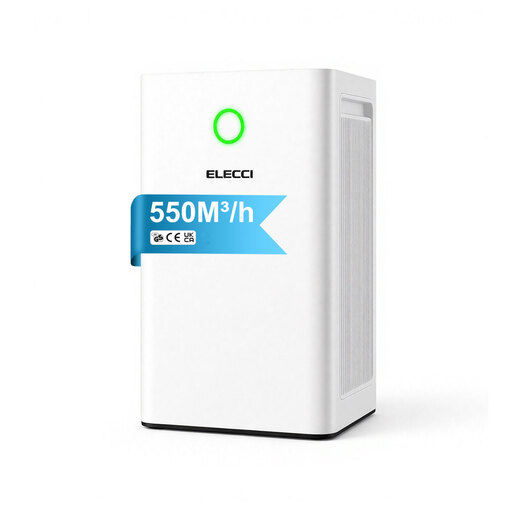
Why it stands out: With a very high CADR of 550 m?/h, this model is designed for the rapid and thorough purification of large areas. The washable pre-filter is a practical detail for reducing operating costs.
Pros:
Who it's for: Ideal for open-plan living areas, large offices, or households that require maximum air purification performance in a short amount of time.
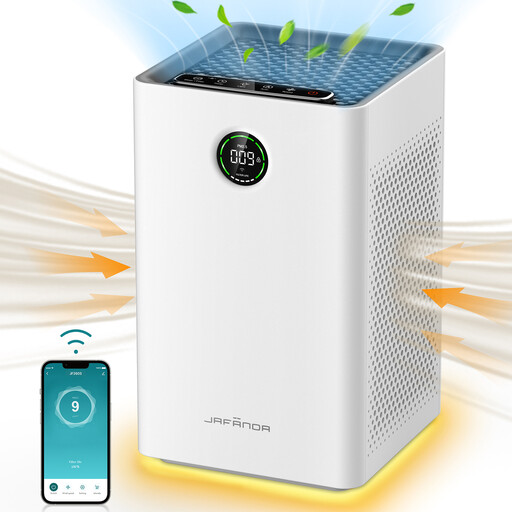
Why it stands out: This device combines powerful purification performance with modern smart home features. Control via app and voice, along with the real-time air quality display, make it exceptionally convenient.
Pros:
Who it's for: Perfect for tech-savvy users who want to integrate their air purifier into a smart home system and actively monitor their air quality.
If the models presented here don't quite meet your needs, or if you're looking for a device with an additional fan function for the summer, it's worth taking a look at our broader range. Discover more models and find the right solution for your home.
? Explore our selection of air purifier fans
A filter's lifespan depends heavily on usage frequency and the local air pollution levels. On average, it is recommended to replace the HEPA and activated carbon filters every 6 to 12 months. Many modern devices have a built-in filter replacement indicator that automatically reminds you.
An air purifier with a HEPA filter is designed to remove particles like pollen, dust mite droppings, and pet dander from the indoor air. By reducing these allergens in the air, such a device can help support the well-being of allergy sufferers indoors.
Place the air purifier in the room where you spend the most time, such as the living room or bedroom. Position it so that air can circulate freely—meaning not directly against a wall, in a corner, or behind large pieces of furniture. A distance of 30-50 cm from walls and furniture is usually sufficient.