
Lieferung heute & morgen

Qualitätsgarantie

Willkommens-Angebote freischalten: KOSTENLOSE Lieferung | Bis zu 80 % RABATT | Kostenlose 30-Tage-JoyPlus-Testphase
App herunterladen
Published: 2026-07-05 | By: Joybuy Product Recommendation Officer
For people with allergies, their own home can become a source of discomfort. Invisible particles like pollen, dust mites, pet dander, and other allergens float in the air and can significantly impact your well-being. An air purifier for allergies can be an effective solution for improving indoor air quality.
This article serves as your guide. We'll explain which technical features to look for and present a selection of devices designed for various needs and room sizes.
Choosing the right device depends on several factors. The following three criteria are especially important for allergy sufferers.
The most critical component of an air purifier is its filtration system. For allergy sufferers, an air purifier with a HEPA filter (High-Efficiency Particulate Air) is the crucial factor.
The effectiveness of an air purifier is directly related to the size of the room. The key metric here is the Clean Air Delivery Rate (CADR).
Since an air purifier often runs for many hours, quiet operation is essential, especially in the bedroom.
Based on the criteria mentioned, we have compiled a selection of devices suitable for different use cases.
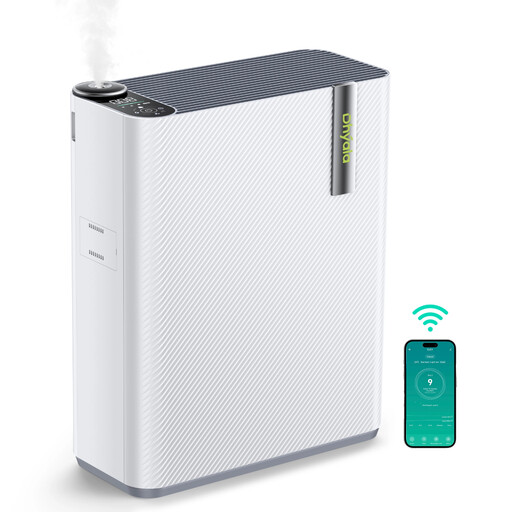
Why It Stands Out: With a high CADR of up to 450 m?/h, the Dhyala Air Purifier is specifically designed for purifying large spaces. Its combination of performance, smart features, and a quiet sleep mode makes it a versatile solution.
Pros:
Who is it for? For users looking for a powerful solution for large rooms who also appreciate the convenience of smart control via an app.
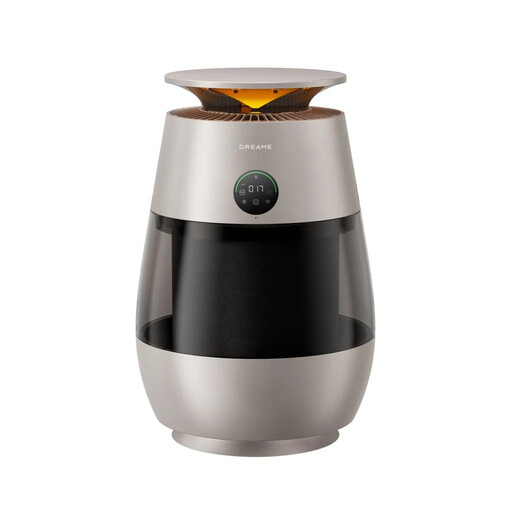
Why It Stands Out: This device was specifically developed for the needs of pet owners. The Dreame Pet Air Purifier combines powerful air purification with features aimed at eliminating pet dander and odours.
Pros:
Who is it for? Ideal for cat and dog owners who are looking for an air purifier for pet dander and related odours, and who also appreciate a pet-friendly design.
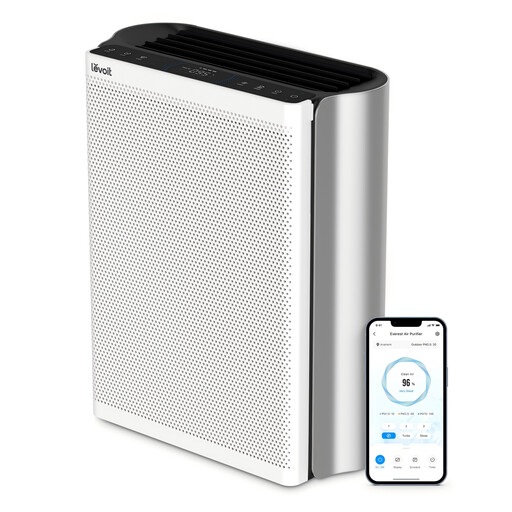
Why It Stands Out: The Levoit EverestAir is distinguished by its advanced sensor and adjustable air outlet. It offers detailed air quality monitoring and targeted distribution of purified air.
Pros:
Who is it for? For health-conscious and tech-savvy users who want precise control and detailed data about their indoor air quality and are looking for a pollen filter for the home with smart features.
The models presented here cover common use cases. However, if you are looking for devices with different specifications or for other room sizes, you can find a wider selection in our comprehensive category.
? Discover more models in our Air Monitor category
Yes, an air purifier can alleviate the symptoms of a pollen allergy indoors. Devices with a HEPA filter are designed to filter pollen that enters the home through windows and doors from the air. This reduces the concentration of allergens in the indoor air.
The lifespan of the filters depends heavily on the model, intensity of use, and local air pollution. Pre-filters are often washable and should be cleaned every 2–4 weeks. HEPA and activated carbon filters are consumables and typically need to be replaced every 6 to 12 months. Many modern devices indicate when a filter change is required.
For optimal performance, the air purifier should be placed in a location with good air circulation. Maintain a distance of at least 30–50 cm from walls, furniture, and curtains to avoid blocking the air intake and outlet. In the bedroom, positioning it near the bed is a good idea to benefit from clean air while you sleep.