
Lieferung heute & morgen

Qualitätsgarantie

Willkommens-Angebote freischalten: KOSTENLOSE Lieferung | Bis zu 80 % RABATT | Kostenlose 30-Tage-JoyPlus-Testphase
App herunterladen
For people with allergies, your own home can become a source of misery. Constant sneezing, itchy eyes, and breathing difficulties caused by pollen, dust, or pet dander can significantly impact your quality of life. An air purifier for allergy sufferers promises relief, but the market is overwhelming. Many devices don't live up to their claims. Before you make a decision, it's crucial to understand the most common pitfalls to avoid a poor investment.
Common Pitfalls When Buying an Air Purifier:
To make an informed decision, you should focus on objective technical specifications rather than marketing promises. Three key metrics are of central importance.
The heart of any air purifier for allergies is its filter. A true HEPA air purifier is defined by standards and must be able to remove at least 99.97% of all particles as small as 0.3 microns from the air. This includes most allergens like pollen, dust mites, mould spores, and pet dander. Look for the explicit "HEPA" (High-Efficiency Particulate Air) designation, not vague terms. A multi-stage filtration system that combines a pre-filter for coarse particles like hair, a HEPA filter for fine dust, and an activated carbon filter for odours offers a comprehensive solution.
The Clean Air Delivery Rate indicates how much clean air a device delivers per hour (measured in cubic metres per hour, m?/h). This value is crucial for selecting a device that matches your room size. A rule of thumb is that the air in a room should be completely circulated at least two to four times per hour. To calculate the required CADR for your room, you can use the following formula:
An air purifier for large rooms will consequently need a significantly higher CADR value than a device for a small bedroom.
Modern devices often offer useful additional functions. For pet owners, a special mode for eliminating pet hair and odours is beneficial. A smart air purifier with app control allows you to monitor air quality and adjust settings remotely. An integrated activated carbon filter is also essential if you specifically want to neutralise air purifier pet odours or other unpleasant smells.
Clean indoor air is only one part of an allergy-friendly home. Reducing allergens on floors and furniture is just as important. Here are some product recommendations that cover different aspects of allergen control.
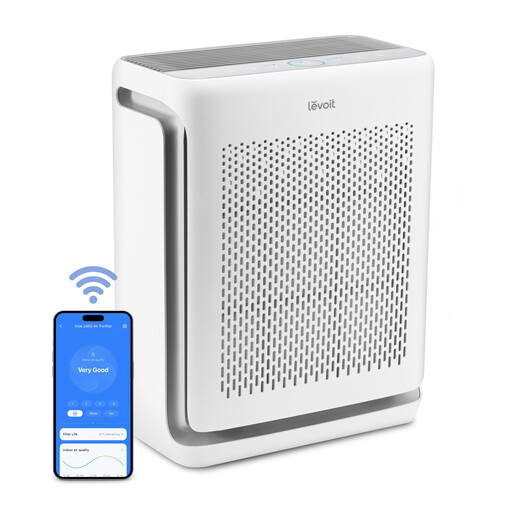
Why This Fits Their Persona: This device is specifically tailored to the needs of pet owners. The Pet Mode increases performance to efficiently filter pet hair and odours, while the washable pre-filter traps coarse particles and extends the life of the main filter.
It features a 3-stage filtration system with a true HEPA filter, a clear CADR rating (416 m?/h) for rooms up to 88 m?, and a washable pre-filter to reduce running costs.
Specialised Pet Mode for effective removal of pet hair and odours; smart control and air quality monitoring via the VeSync app.
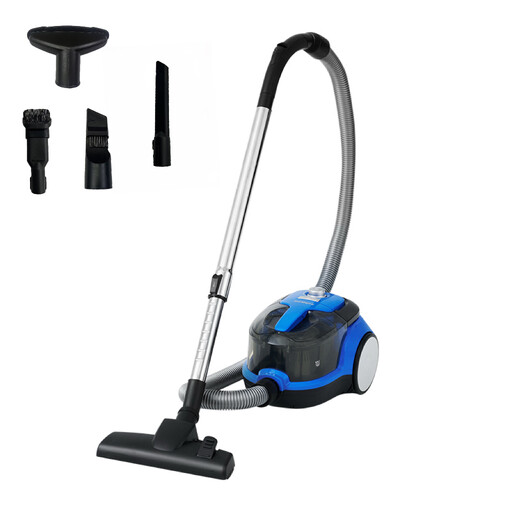
Why This Fits Their Persona: An air purifier filters the air, but allergens on floors and upholstery remain. This vacuum cleaner is a fundamental tool for removing dust and pet hair directly at the source, thereby lowering the overall allergen load in the household.
As a complement to an air purifier, it tackles allergens on surfaces. The bagless design and washable dust cup filter avoid the running costs and dust exposure that come with changing traditional vacuum bags.
Powerful suction (800W / 17.5 kPa) for efficient cleaning; versatile for use on floors, carpets, and furniture thanks to multiple brush heads.
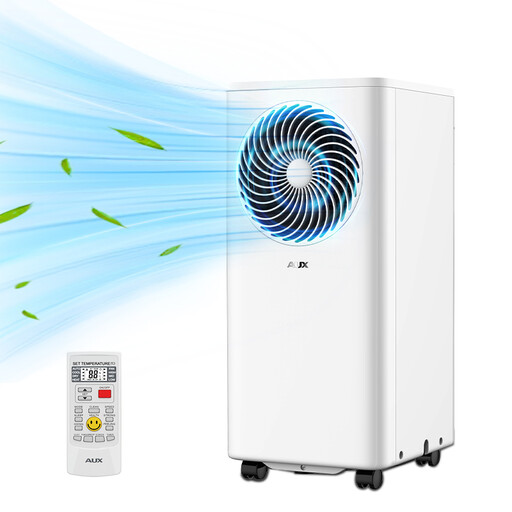
Why This Fits Their Persona: For users seeking a multifunctional solution. This device cools in the summer and controls humidity through its dehumidifying function—a key factor in inhibiting the growth of mould and dust mites.
Although it's not a dedicated air purifier, it addresses a primary cause of allergens through dehumidification. The washable filter is easy to maintain and helps keep running costs low.
3-in-1 functionality (Cooling, Dehumidifying, Fan); convenient control via Wi-Fi and app; Class A energy efficiency for cost-effective operation.
We have compiled a complete, real-time list of products that fully satisfy these strict selection criteria and UK safety regulations.
1. How often do I need to change the HEPA filter in an air purifier? The lifespan of a HEPA filter depends on the intensity of use and the level of air pollution. On average, a replacement is recommended every 6 to 12 months. Many modern devices, like the Levoit Vital 200s Pro, have a filter change indicator that automatically reminds you. A washable pre-filter can significantly extend the life of the more expensive HEPA filter.
2. Where is the best place to put an air purifier for allergies? Place the unit in the room where you spend the most time, such as the bedroom or living room. Ensure there is enough space around the device (approx. 30–50 cm) to allow air to circulate freely. Avoid positioning the air purifier in a corner or directly behind large pieces of furniture.
3. Do air purifiers really help with pet odours? Yes, but only if it is equipped with the right filter. An activated carbon filter is responsible for neutralising odours. It binds odour molecules from the air. A HEPA filter alone removes pet hair and dander, but not the smell. A combination device with both HEPA and activated carbon filters is therefore the right choice for pet owners.