
Lieferung heute & morgen

Qualitätsgarantie

Willkommens-Angebote freischalten: KOSTENLOSE Lieferung | Bis zu 80 % RABATT | Kostenlose 30-Tage-JoyPlus-Testphase
App herunterladen
For allergy sufferers, the home can become a source of discomfort when pollen, dust, or pet dander compromise air quality. An air purifier for allergies can help reduce the concentration of these particles in your indoor air. However, with a vast array of models and technical features, making the right choice isn't always straightforward.
This guide is designed to help you understand how air purifiers work and identify the key criteria for your decision. We provide objective information to help you find a device that fits your needs and living situation.
To make an informed decision, a few technical aspects are crucial. The following three criteria will help you evaluate a device's performance and suitability.
The heart of any air purifier is its filtration system. For allergy sufferers, an air purifier with a HEPA filter is particularly important. HEPA stands for "High-Efficiency Particulate Air." These filters are designed to remove a high percentage of the smallest particles from the air.
An air purifier is only effective if its performance matches the size of the room. The key metric for this is the CADR (Clean Air Delivery Rate). It indicates how much clean air the device delivers per hour (measured in cubic metres per hour, m?/h).
As a rule of thumb, the CADR should be high enough to circulate the air in the room at least two to four times per hour. Check the manufacturer's specifications for the recommended room size. A device designed as an air purifier for large rooms will be oversized for a small bedroom, while a model that is too small will not achieve the desired effect in a large living room.
Since an air purifier often runs for many hours, its noise level is an important factor, especially for use in the bedroom. A quiet air purifier for the bedroom should have a noise level below 30 decibels (dB) in night or sleep mode, which is roughly equivalent to a quiet whisper.
Modern devices also offer convenience features:
Based on the criteria mentioned, we have compiled a selection of models that cover a range of different needs.
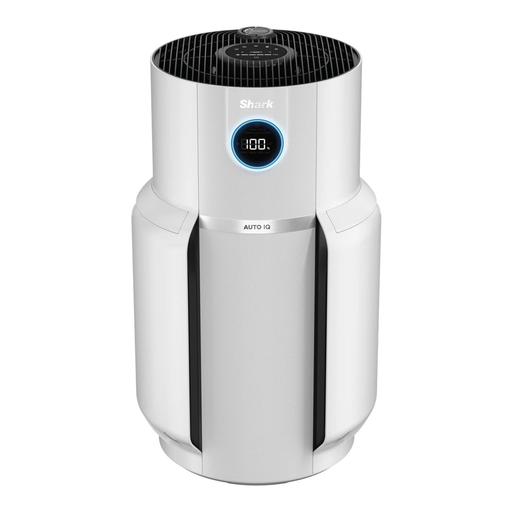
Why It Stands Out: The standout feature of this model is its HEPA filter, which, according to the manufacturer, has a lifespan of up to 5 years. This significantly reduces maintenance and running costs.
Pros:
Who It's For: This model is suitable for users looking for a solution for large living spaces who value minimal maintenance.
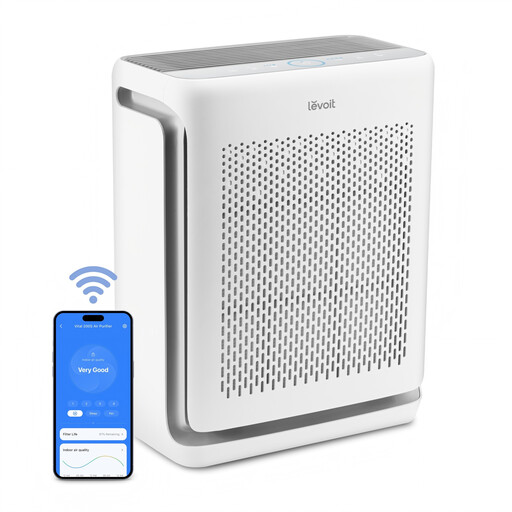
Why It Stands Out: The Levoit Vital 200s Pro is equipped with features that make it particularly appealing for households with pets. The special Pet Mode and U-shaped air inlet are designed to efficiently combat pet hair and odours.
Pros:
Who It's For: Ideal for pet owners looking for a powerful and smart air purifier for pets.
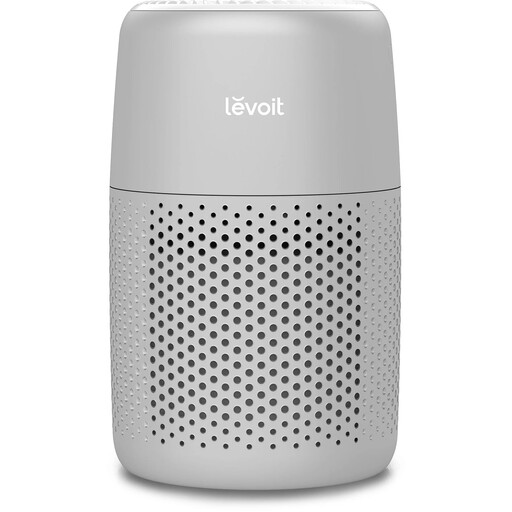
Why It Stands Out: Its compact design and quiet operation make the Core Mini Pro an unobtrusive solution for smaller rooms. The additional aromatherapy function offers a way to add fragrance to the room.
Pros:
Who It's For: A great choice for bedrooms, home offices, or other small spaces where a quiet and space-saving air purifier is needed.
The models presented here already cover a wide spectrum of use cases. If you haven't found the right device for your specific needs, you can find more alternatives in our more comprehensive collection.
Discover our full selection of Air Purifiers for Allergies and Pets.
The filter replacement frequency depends heavily on the model, intensity of use, and air pollution levels. For most devices, HEPA and activated carbon filters need to be replaced every 6 to 12 months. Some models, like the Shark NeverChange, offer filters with a much longer lifespan of up to 5 years. Many devices have a filter change indicator that notifies you in time.
An air purifier for pollen with a HEPA filter is designed to remove airborne particles like pollen from the indoor air. By reducing the concentration of allergens in the air, such a device can help lessen the burden for allergy sufferers in enclosed spaces. However, it is not a medical device and does not replace medical treatment.
Place the air purifier in the room where you spend the most time, such as the bedroom or living room. Position it with sufficient clearance (at least 30–50 cm) from walls, furniture, and curtains to ensure optimal air circulation. Avoid blocking the air intake or outlet.