Travellers on a strict gluten-free diet
If you need to avoid gluten completely, an explicit gluten-free label is more important than assuming that a snack made from potatoes or maize will be suitable. Check the pack you actually buy, too.


If you need to shop strictly gluten-free, choose a snack explicitly labelled gluten-free and check the ingredients and allergen information on the specific pack. A gluten-free label does not rule out other allergens; with nut and snack mixes, the individual ingredients are especially important. For hand luggage, a dry snack without a dip is also easier to assess than a creamy or paste-like item, which may be subject to the rules on liquids.
If you need to avoid gluten completely, an explicit gluten-free label is more important than assuming that a snack made from potatoes or maize will be suitable. Check the pack you actually buy, too.
If peanuts, tree nuts, milk or soya are a concern for you, a general ‘free-from’ classification is not enough. A nut mix or flavoured variety may not be suitable, even if it is labelled gluten-free.
If you want to take something with you before or during your flight, distinguish dry snacks from those served with a dip, cream or spread. The German Federal Police also classifies creamy and paste-like products as items that may be subject to the rules on liquids.
First, work out which ingredients you need to avoid. Then choose the type of snack and, if you plan to carry it in your hand luggage, check whether it includes anything creamy or paste-like.
| Criteria | What to check when buying | Who it matters most to |
|---|---|---|
| Gluten-free labelling | Look for ‘gluten-free’ and read the ingredients for the specific variety. EUR-Lex states that foods labelled this way must contain no more than 20 mg/kg of gluten in the finished product. | If I need to avoid gluten strictly, I don’t want to rely on potatoes or maize being the main ingredient. For around 42% of consumers, this clear labelling would be the top priority. |
| Other allergens | Check for highlighted ingredients such as peanuts, tree nuts, milk, sesame and soya, as well as any precautionary ‘may contain’ statements relevant to you. | A gluten-free mix is no help if it contains another allergen that matters to me. Around 25% of consumers would prioritise avoiding these allergens. |
| Hand luggage and packaging | Distinguish dry snacks from products with a dip, cream or spread, and choose a suitable portion size. | For my journey, I want a snack that won’t raise extra questions about its consistency at security. For around 17% of consumers, ease of carrying it would be the most important criterion. |
| Other dietary preferences | Read claims such as ‘vegan’ or ‘vegetarian’ separately from gluten-free and allergen information. | If no stricter avoidance requirement takes priority, I want to choose a variety that also suits my other dietary preferences. Around 16% of consumers would put this question of ingredients first. |
A gluten-free variety may still contain other relevant ingredients or carry precautionary ‘may contain’ statements. For example, funny-frisch says its Linsen Chips Barbecue may have come into contact with soya.
Decide which substances you need to avoid, then check the ingredients and any precautionary statements relevant to you for each variety.
Lorenz Nuts & Fruits Geistesblitzer contains peanuts, almonds, hazelnuts and cashews. It is not a suitable alternative for anyone who needs to avoid these ingredients.
If you have a peanut or tree nut allergy, don’t choose a nut mix just because of its product type; check the ingredients of any alternative variety individually.
According to the German Federal Police, creamy, gel-like and paste-like foods may fall under the rules on liquids for hand luggage. The decision made at security is the one that counts.
If you want to take your snack through security, choose a dry option without a dip where possible. If in doubt, check the guidance for your departure airport.
A brand or a gluten-free shop category does not tell you whether every individual variety suits your allergen profile. Recipes and packaging information can also change.
Just before buying, read the ingredients and allergen information on the pack of the variety you have chosen.
When choosing free-from products, it’s the specific variety that matters, not the brand as a whole. These examples show why it’s worth checking the ingredients and product information.
Lorenz makes both potato crisps and nut and fruit mixes, with very different ingredients and allergen information.
Linsen Chips Barbecue carries a gluten-free label alongside another allergen warning.
REWE has a dedicated category for gluten-free snacks, including products from the REWE frei von range.
EDEKA lists gluten-free snacks in its range, but classic mixes with several ingredients need to be assessed separately.
Snack Day is a Lidl snack range; the brand name alone does not indicate whether a product is suitable for a particular free-from diet.
ALDI Nord and ALDI SÜD sell a range of snacks under SUN SNACKS, including crisps and lentil crisps.
This selection includes crackers, biscuits and wafer bars labelled gluten-free, handy for eating on the go. They are alternatives to snack mixes, not mixes themselves, and the products vary in the other allergens they contain.
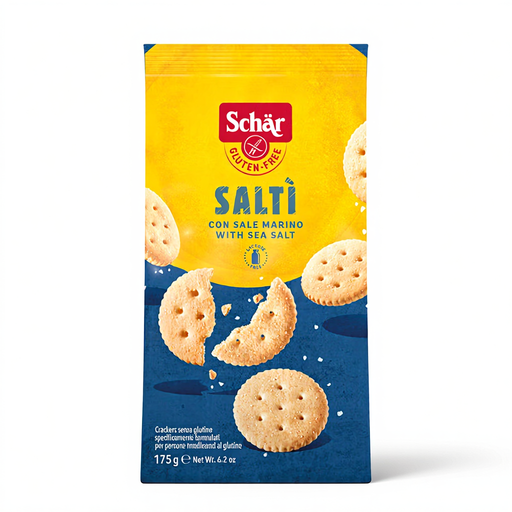 No image available
A savoury cracker alternative if you’re looking for a snack explicitly labelled gluten-free. This variety is not suitable if you avoid soya; the product information also mentions possible traces of lupin. Check the information on the pack you buy.
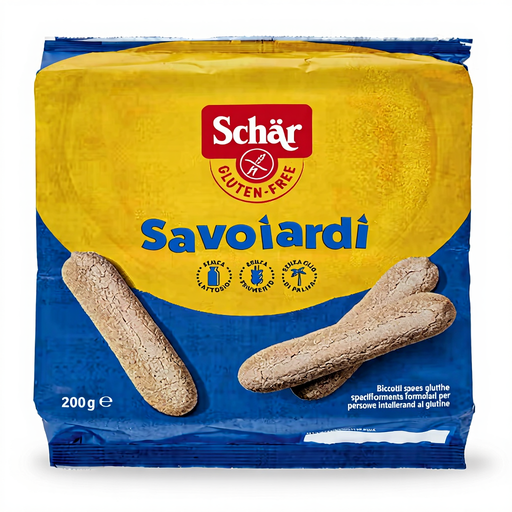 No image available
A sweet biscuit alternative labelled gluten-free, instead of a savoury mix. The product information lists eggs, so this variety is not suitable if you have an egg allergy. Check the current precautionary statements on the pack before buying, too.
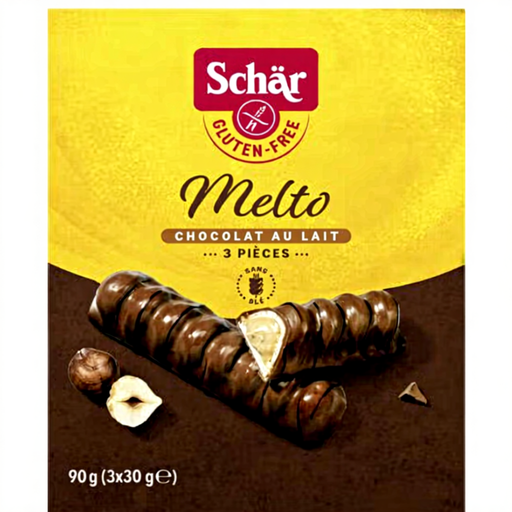 No image available
A wafer bar alternative labelled gluten-free, in a pack of three. The product information lists hazelnuts, milk and soya, as well as possible traces of peanuts and other nuts. Compare this information with the pack you buy and the ingredients you need to avoid.
No. If you need to follow a strict gluten-free diet, choose a variety explicitly labelled ‘gluten-free’ and check the specific pack. EUR-Lex sets a limit of 20 mg/kg of gluten in the finished product for this label; the main ingredient alone is no substitute for the label.
Not if they contain nuts that you need to avoid. Lorenz Nuts & Fruits Geistesblitzer contains peanuts, almonds, hazelnuts and cashews and, according to Lorenz, may contain traces of other tree nuts.
Pay particular attention to whether your snack comes with a dip, spread or another creamy or paste-like item. The German Federal Police includes these consistencies under the rules on liquids; if in doubt, the decision made at security is the one that counts.
It indicates possible accidental contact and is different from soya being used as an ingredient. The Bavarian State Office for Health and Food Safety explains that precautionary allergen statements are voluntary. If this kind of contact matters to you, take the warning into account when choosing a product.
No. Make your choice based on the specific variety and pack. For example, EDEKA lists wheat, barley, sesame and milk in its GUT&GÜNSTIG Snack-Mix. You cannot use this information to infer the ingredients of other EDEKA snacks or whether they meet your requirements.