
Lieferung heute & morgen

Qualitätsgarantie

Willkommens-Angebote freischalten: KOSTENLOSE Lieferung | Bis zu 80 % RABATT | Kostenlose 30-Tage-JoyPlus-Testphase
App herunterladen
By the Joybuy Product Recommendation OfficerPublished August 29, 2026
A high-quality, airtight food container is a cornerstone of an organised kitchen and a conscious lifestyle. It keeps food fresh for longer, prevents odours from spreading in the refrigerator, and allows for the secure transport of meals. However, the market is flooded with products whose promises often don't hold up to reality. Many consumers know the disappointment of a supposedly leak-proof container spilling in their bag or a lid that no longer seals properly after just a few washes.
This guide will help you navigate the common pitfalls and make an informed decision. We focus on the objective features that distinguish a good food container from an inadequate one.
Before investing in a new set, it's helpful to be aware of the most common flaws, which often only become apparent after a few weeks of use.
To avoid these problems, you should focus on three central parameters. These define the functionality and longevity of a food container.
The material is the foundation for safety and durability. Specifically look for products made from polypropylene (PP), a robust and heat-resistant plastic. The BPA-free label is crucial. Bisphenol A (BPA) is a chemical compound found in some plastics that can potentially leach into food upon contact, especially when heated. A BPA-free food container set is therefore an essential prerequisite for the safe storage of food.
A simple click-on lid is not enough to seal a container reliably. An effective leak-proof food container is distinguished by a well-engineered system:
LocknLock storage container, for example, often uses such a system with a hollow-core seal for enhanced security.A good food container must do more than just store. For the modern household, the following properties are relevant:
meal prep boxes. It is important to follow the manufacturer's instructions to remove or open the lid before heating.kitchen storage containers should be designed to be stacked securely and compactly in both the refrigerator and the cupboard.Based on these objective criteria, we have identified several products that are well-suited for specific use cases.
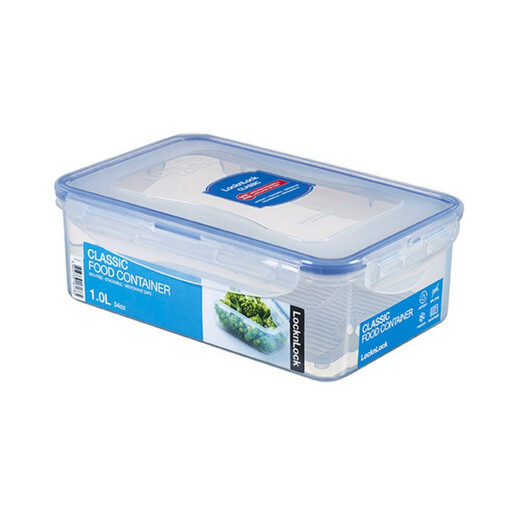
Why This Fits Their Persona: With a 1.0-liter capacity, this container is the ideal size for a single meal. It's stackable and microwave-safe, making it perfect for preparing and transporting lunches to the office.
The patented 4-sided locking system with a silicone gasket reliably prevents sauces or dressings from leaking during transport—a common failure point in basic meal prep boxes.
The combination of a leak-proof seal and BPA-free, microwave-safe polypropylene makes it a dependable everyday companion.
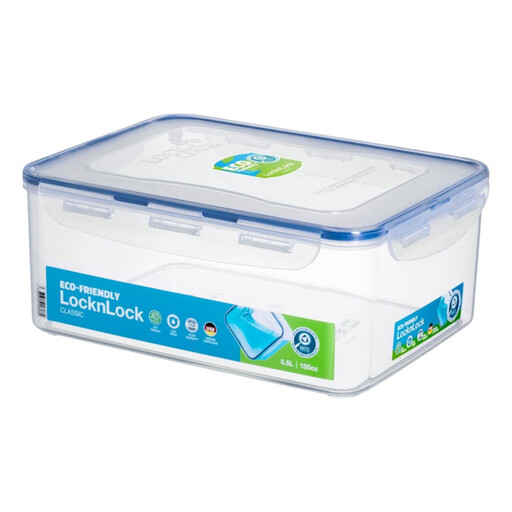
Why This Fits Their Persona: With a large 5.5-liter capacity, this container is excellent for storing leftovers for the whole family, marinating meat, or keeping large quantities of salad and vegetables fresh.
Unlike simple large containers, this model includes an integrated drainer tray. This prevents fruits and vegetables from sitting in condensation, which causes them to spoil faster.
Its large volume combined with the practical drainer tray makes it a specialised solution for keeping delicate foods fresh.
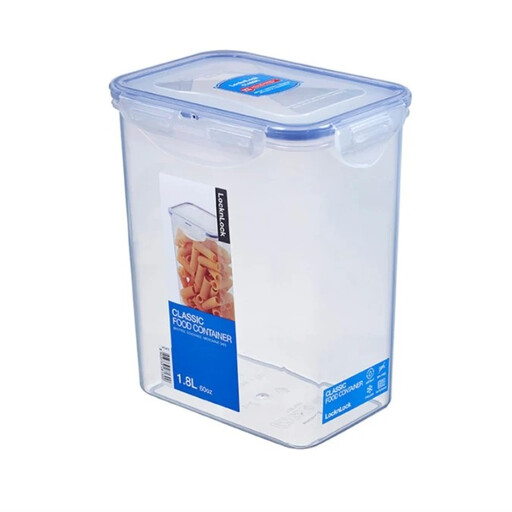
Why This Fits Their Persona: This container is a true all-rounder. The 1.8-liter size is ideal for storing dry goods like flour or pasta, as well as dinner leftovers. The rectangular shape makes optimal use of cupboard space.
LocknLock's classic and robust click system is designed for durability, avoiding the problem of broken locking tabs common in many cheaper models.
A proven, durable locking system and a space-saving, stackable design make it a reliable and practical choice for daily kitchen organisation.
We've compiled a complete, up-to-date list of products that fully meet these strict selection criteria and comply with rigorous safety standards.
1. Are all food containers labelled "airtight" also truly leak-proof? No, not necessarily. The term "airtight" primarily refers to protection against air exchange. For transporting liquids, the "leak-proof" criterion is crucial. Look for products with a robust, multi-sided locking system and a high-quality silicone gasket, as these typically ensure both.
2. What does "BPA-free" mean and why is it important for food containers? BPA (Bisphenol A) is an industrial chemical used to make certain plastics. There is concern that BPA can leach from containers into food, especially when heated. BPA-free products, usually made of polypropylene (PP), are considered a safer alternative for food contact.
3. How do you properly care for airtight food containers to make them last? To maximise their lifespan, you should follow a few tips: Clean the containers after each use, ideally on the top rack of the dishwasher. Remove the silicone gasket (if possible) and clean it separately to prevent mould growth. Allow all parts to dry completely before closing the container again. Avoid abrasive scouring agents that could scratch the surface. Always remove the lid when heating in the microwave.