
Lieferung heute & morgen

Qualitätsgarantie

Willkommens-Angebote freischalten: KOSTENLOSE Lieferung | Bis zu 80 % RABATT | Kostenlose 30-Tage-JoyPlus-Testphase
App herunterladen
A well-organised kitchen and fresh food are the cornerstones of a healthy diet and a smooth daily routine. A high-quality, airtight food storage container is an essential tool in this regard. However, the market is flooded with products whose promises often don't hold up in practice. Many containers quickly lose their seal, become stained, or are impractical to handle. This guide will show you which objective criteria to look for to find a durable and functional solution for your kitchen.
Before we dive into the important features, let's look at three typical weaknesses often found in cheap or poorly designed models:
To avoid these problems, you should base your choice on verifiable product features. The following three parameters are crucial for functionality and longevity.
A simple snap-on lid is not enough to reliably protect food from oxidation and moisture. A truly airtight food storage container is distinguished by a sophisticated system:
The container's material has a direct impact on food safety and the product's durability.
A thoughtful design makes the difference between chaos and order in your kitchen.
Based on the criteria mentioned, we have identified some products that are suitable for specific use cases.
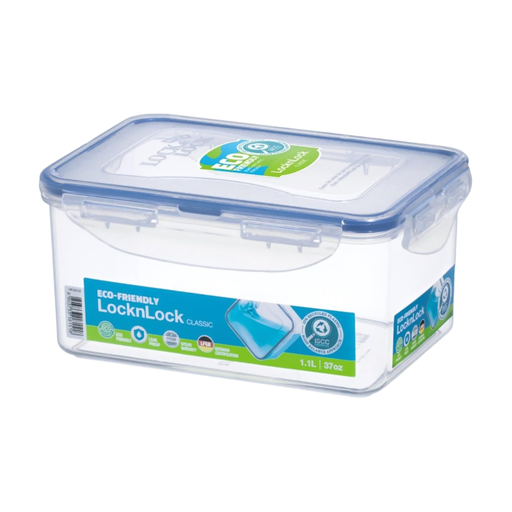
Why This Fits Their Persona: Ideal for prepared meals (meal prep boxes). The 1.1-litre volume is perfect for a main course. The guaranteed leak-proof design makes transport to work or university worry-free.
The patented four-sided locking system with a silicone seal prevents the typical weakening of the seal, keeping contents reliably fresh and secure.
Made from BPA-free polypropylene; microwave- (up to 120°C without lid) and freezer-safe.
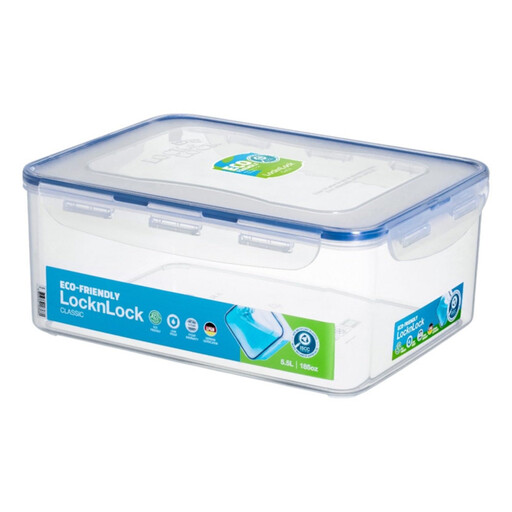
Why This Fits Their Persona: With a 5.5-litre volume, this container is excellent for storing large quantities, such as salads for a party, large portions of leftovers, or dry goods like flour and cereal.
Unlike many large but flimsy boxes, this model offers the proven, tight-sealing locking system. The robust, BPA-free material resists warping and is designed for long-term food storage.
Large volume and an integrated drainer tray that keeps fruit and vegetables away from condensation, thus extending freshness.
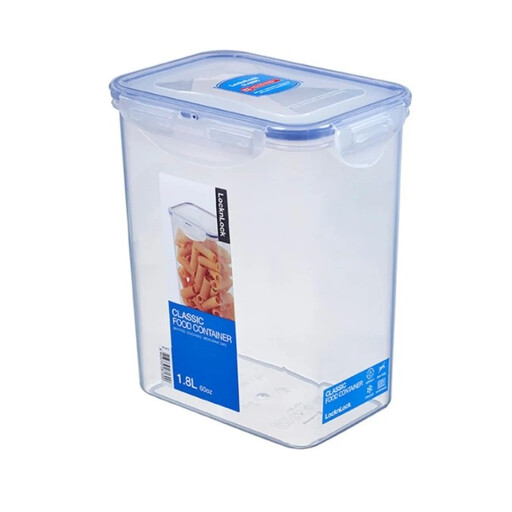
Why This Fits Their Persona: An all-rounder for daily use. The 1.8-litre size is flexible enough for leftovers, sliced vegetables, or storing dry goods like pasta or rice.
The design is explicitly engineered for stackability, solving the problem of limited space. The reliable click-lock ensures a durable, tight seal where other lids fail.
Transparent design for a quick overview of the contents; dishwasher- and microwave-safe (without lid).
We have compiled a complete, up-to-date list of products that fully meet these strict selection criteria and safety regulations.
Stubborn odours, for example from onions or heavily spiced foods, can sometimes linger in the plastic. An effective method is to clean it with a paste of baking soda and water, which you should let sit in the container for a few hours. Alternatively, wiping it with a cloth soaked in vinegar also helps. It is important to let the container, and especially the silicone seal, air dry completely after each cleaning before closing it again.
No, not all plastics are suitable for the microwave. Pay close attention to the manufacturer's instructions. As a rule, the lid should be removed or at least opened before heating to allow steam to escape. Avoid heating very fatty or sugary foods on a high setting, as they can reach extremely high temperatures and damage or discolour the plastic.
BPA (Bisphenol A) is a chemical compound that was used in the production of certain plastics. There is concern that BPA can leach from the plastic into food under certain conditions (e.g., when heated). As a precaution, "BPA-free" has become the standard for high-quality food containers. Products labelled as BPA-free use alternative materials like polypropylene (PP), which are considered safe for food contact.