
Lieferung heute & morgen

Qualitätsgarantie
App herunterladen
Kategorien
The shelf life of food is significantly affected by contact with atmospheric oxygen, which accelerates oxidation and promotes the growth of microorganisms. An airtight food storage container minimises this air exchange. By creating an effective barrier between the contents and the ambient air, the freshness of food is extended, flavours are preserved, and leak-proof transport is ensured. The choice of the right container depends on material properties, locking technology, and the intended use.
The decision for a suitable food storage container should be based on an analysis of technical parameters. The three key criteria are the material, the locking system, and the functional properties for your specific needs.
The material defines the container's primary uses, weight, and maintenance requirements.
The effectiveness of an airtight seal depends on the design of the lid and the gasket.
For an organised kitchen and flexible use, other features are also relevant.
Based on the technical criteria mentioned, we present three models with different material and design focuses.
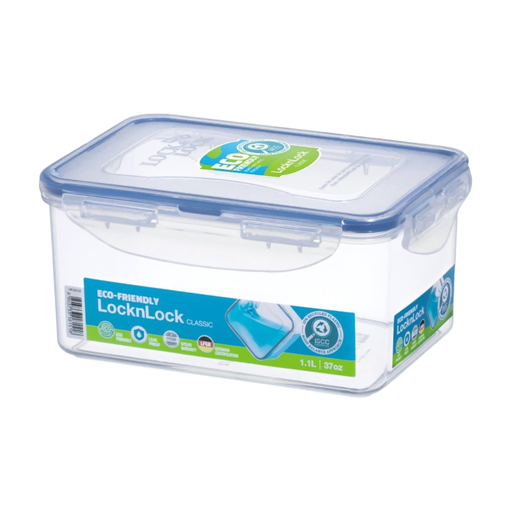
Why we recommend this product: The LocknLock container is distinguished by its patented four-sided locking system combined with a hollow-centre silicone seal. This design ensures a demonstrably high level of air and water tightness. The polypropylene used is BPA-free and suitable for storing baby food, underscoring its product safety.
Advantages:
Who it's for: This model is a functional choice for everyday use, especially for meal prep, taking lunch to work, and general household food storage.
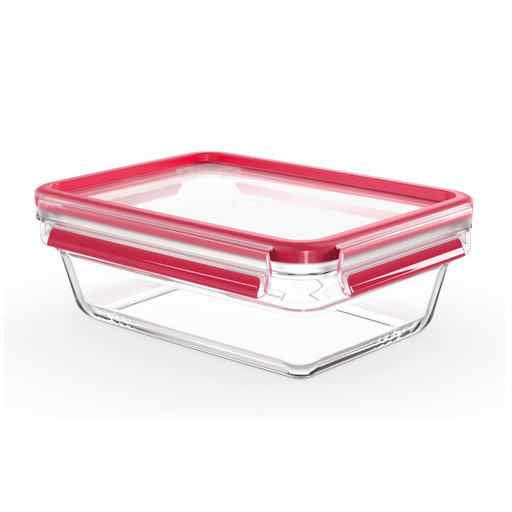
Why we recommend this product: The Tefal Masterseal container combines the hygienic benefits of borosilicate glass with a lid technology developed in Germany. The high temperature resistance of the glass body (from -40°C to 420°C) allows for a seamless transition from freezing to baking in the oven and serving.
Advantages:
Who it's for: Ideal for users who want to prepare, store, heat, and serve food in the same container and who value an inert, hygienic material.
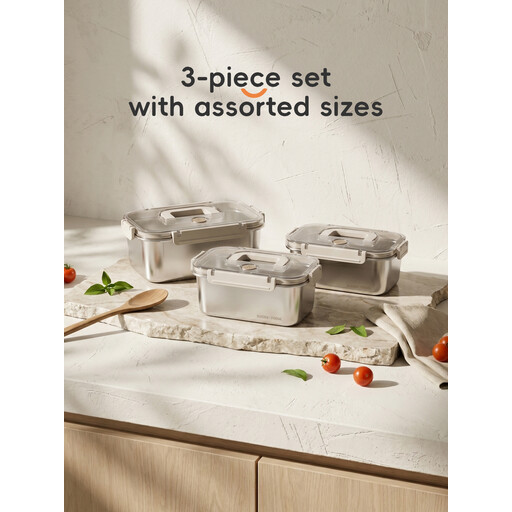
Why we recommend this product: This food storage container set from PURECOOK is made of food-grade 304 stainless steel, known for its robustness and corrosion resistance. The seamless construction of the container body prevents food from sticking and simplifies cleaning. The set offers three different sizes for flexible and organised storage.
Advantages:
Who it's for: This set is designed for users seeking a durable, plastic-free alternative for storing and transporting cold or warm foods, for example, for picnics, camping, or the daily commute.
While the models presented here cover a wide range of general food storage needs, specialised applications may require tailored solutions. For example, if you are looking for containers specifically designed for storing homemade ice cream, you can find suitable products in our Ice Cream Containers with Lids category.
1. What does "airtight" technically mean for a food storage container? "Airtight" means the container is designed to minimise the exchange of gases between its interior and the surrounding air. This is typically achieved with a flexible seal (usually made of silicone) that is pressed firmly against the container's rim by a locking mechanism (e.g., snap-locks), creating a continuous barrier.
2. Can every food storage container be put in the microwave? No. Microwave suitability depends on the material. Containers made of glass and certain plastics (like PP) are generally microwave-safe, but the lid should always be removed or at least opened to prevent pressure build-up. Stainless steel containers must never be used in the microwave, as metal reflects microwaves, which can cause sparks and damage the appliance.
3. What is the best way to clean food storage containers to avoid odours? For a thorough cleaning, the container, lid, and sealing ring (if removable) should be washed separately with warm water and mild dish soap. For stubborn odours in plastic containers, it can help to fill the container with a mixture of water and vinegar or baking soda and let it sit for a few hours. Completely drying all parts before reassembly prevents moisture build-up and new odours.