
Lieferung heute & morgen

Qualitätsgarantie

Willkommens-Angebote freischalten: KOSTENLOSE Lieferung | Bis zu 80 % RABATT | Kostenlose 30-Tage-JoyPlus-Testphase
App herunterladen
Airtight food storage containers are designed to keep dry ingredients, leftovers and prepared meals tidy, hygienic and space-efficient. In practice, though, unclear material descriptions, leaky seals or misunderstandings about whether a container is suitable for the microwave or freezer can often lead to the wrong purchase.
Whether you’re looking for food storage boxes, food containers or large kitchen storage containers, capacity isn’t the only thing that matters. Before buying, consider how you’ll use the container, what care it needs and whether its design will fit the storage space you have in your kitchen.
A hinged lid, silicone ring or side clips can all provide a reliable seal, but the design is key. For leakproof food storage boxes, the lid, seal and fastenings should close evenly. A silicone ring that isn’t fitted properly can compromise the seal.
For dry foods such as rice, flour or muesli, a moisture barrier may be enough, depending on the product. For soups, sauces and marinated foods, look for a system specifically described as leakproof or watertight.
“Microwave-safe” doesn’t automatically mean “ovenproof”. With many plastic food containers, you’ll need to remove or open the lid before heating. Glass containers may withstand higher temperatures, but they can be sensitive to sudden changes in temperature.
Before buying and each time you use a container, check the manufacturer’s instructions for:
A large capacity is useful for family portions and batch cooking. However, irregular shapes may make less effective use of cupboard and fridge space. Stackable food storage containers with similar base dimensions are usually easier to organise efficiently.
For spices, nuts or small snacks, 380 to 700 millilitres is often more manageable. For side dishes and individual meal-prep portions, 600 millilitres to 1.5 litres may be enough. Larger quantities or family meals often need around 2 to 5 litres.
According to product descriptions, glass food containers don’t absorb odours or become discoloured, and let you see what’s inside. Some products use borosilicate glass for its temperature resistance. It is still breakable, though, and should not be moved directly from extreme cold to high heat.
Plastic containers are usually lighter and practical for the fridge, freezer and meal prep. For BPA-free food containers, check that this is clearly stated in the product description. For hot or fatty foods, follow the manufacturer’s temperature guidance.
Look for:
A removable ring makes thorough cleaning easier. Before closing the container, make sure the ring is completely dry and correctly fitted into its groove.
Rectangular and square containers can often be placed side by side and stacked to save space. Round storage jars are especially useful for dry ingredients, spices and smaller quantities of food. For meal prep, it’s also worth checking whether the container will fit in your fridge compartments, lunchboxes or bags.
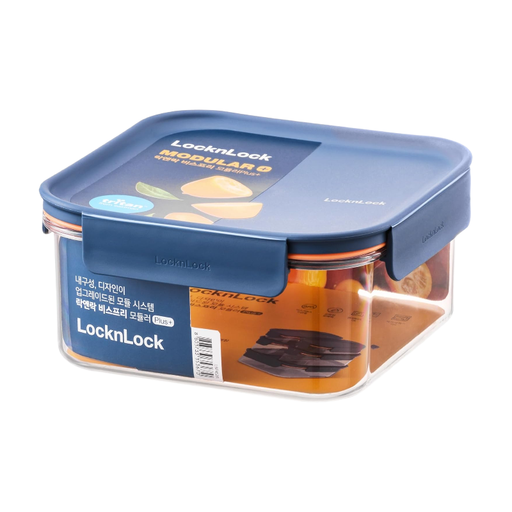
Why this product suits this type of user: According to the product details, its compact size is ideal for snacks, medium-sized portions, leftovers and individual meal-prep ingredients.
Its square, stackable shape minimises wasted gaps. According to the product details, the lid should be removed before using the container in the microwave.
600 ml capacity, silicone seal, and suitable for the freezer and dishwasher according to the product description.
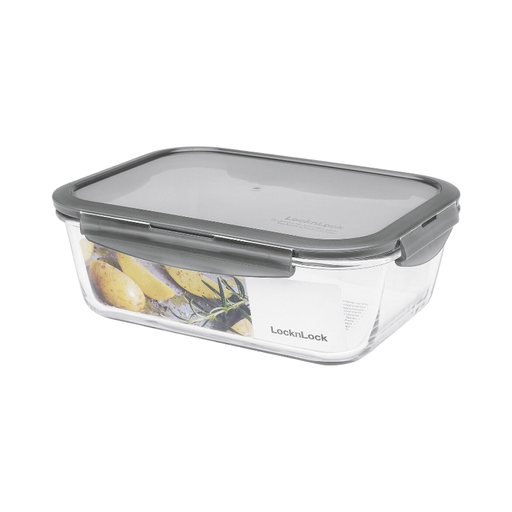
Why this product suits this type of user: This glass container is designed for larger portions and storing prepared meals.
The product details state that it is suitable for the oven, microwave, fridge, freezer and dishwasher. The lid must be removed before heating.
2.0 l capacity, glass container, silicone seal and a rectangular shape for larger quantities of food.
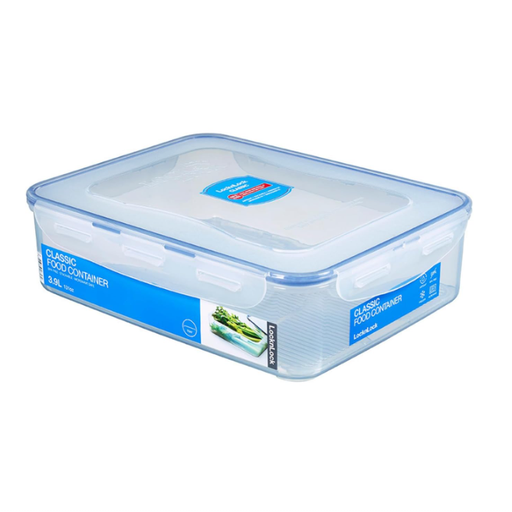
Why this product suits this type of user: The integrated draining insert is designed for fruit, vegetables and foods that need to be kept separate from liquid.
The four-point locking system and removable seal make the fastening and cleaning areas easy to see and access.
3.9 l capacity, integrated draining insert, BPA-free PP construction according to the product details, and suitable for the freezer and dishwasher.
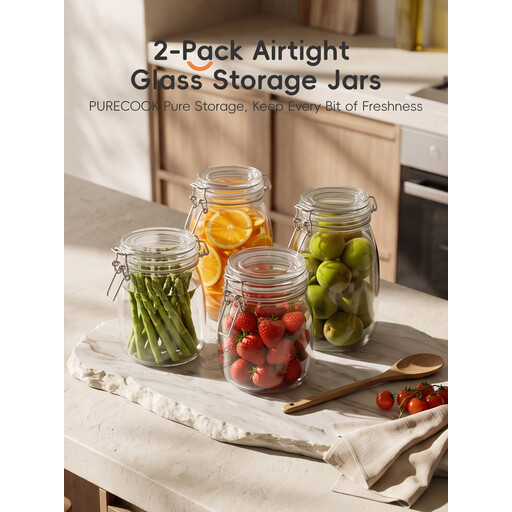
Why this product suits this type of user: According to the description, the round, transparent jars are suitable for rice, pulses, spices, nuts and snacks.
The descriptions give different guidance on dishwasher use. To be on the safe side, wash the glass and seal by hand, and check the latest manufacturer’s instructions.
Borosilicate glass according to the product description, a clear view of the contents and stainless steel clips with a silicone ring.
We’ve put together a complete, regularly updated list of products that meet these strict selection criteria and fully comply with the safety regulations in force in the EU.
Their lifespan depends on the material, how they’re used and how well they’re cared for. Glass can last a long time if handled carefully. With plastic, warping, cracks, discolouration or a seal that no longer works properly are all good reasons to replace the container. Check silicone rings regularly for cracks and make sure they still fit securely.
Only if the specific container is labelled as suitable. Often, this applies to the container body only. Plastic lids usually need to be removed or opened. Locked lids can build up pressure and should not be used during heating.
Clean the container and seal soon after use, then leave all the parts open to dry. Glass containers are a practical option for strong-smelling foods, as product details state that glass should not absorb flavours. It’s worth checking the cleaning and care instructions before buying.