
Lieferung heute & morgen

Qualitätsgarantie

Willkommens-Angebote freischalten: KOSTENLOSE Lieferung | Bis zu 80 % RABATT | Kostenlose 30-Tage-JoyPlus-Testphase
App herunterladen
The trend towards an alcohol-free lifestyle is steadily growing. Whether for health reasons, to foster greater mindfulness, or simply out of curiosity, more and more people are seeking high-quality products without alcohol. However, the market can be confusing and is filled with potential pitfalls. Not every product advertised as "alcohol-free" delivers on its promise. Before making a purchase, it's crucial to understand the most common marketing traps and misleading labels.
As your Joybuy Product Recommendation Officer, I'm here to help you navigate the jungle of options available. We'll shine a light on the critical details that are often overlooked, which can lead to consumers buying unsuitable or low-quality products.
The 3 Most Common Traps When Buying Alcohol-Free Products:
To ensure you get a product that meets your needs, you should check two or three core parameters. These will help you objectively assess quality and question marketing claims.
The most important detail is the precise declaration of alcohol content.
Therefore, always check the label on the back of the product. Reputable manufacturers will provide a clear and unambiguous declaration.
A quick analysis of the ingredients list (INCI) reveals more than any marketing message.
To make your decision easier, we've selected a few products from our range that meet specific requirements and avoid the pitfalls mentioned.
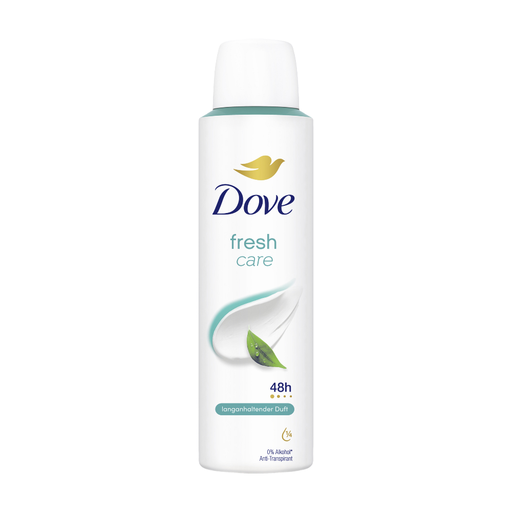
Why it's a match: Ideal for daily use, especially for skin prone to irritation. The formula is designed to be gentle while providing reliable protection.
The product is explicitly labelled with 0% alcohol, eliminating any ambiguity about its alcohol content. It focuses on care rather than potentially irritating ingredients.
According to the manufacturer, it contains 1/4 moisturising cream to help keep underarm skin soft and smooth, while offering up to 48 hours of protection.
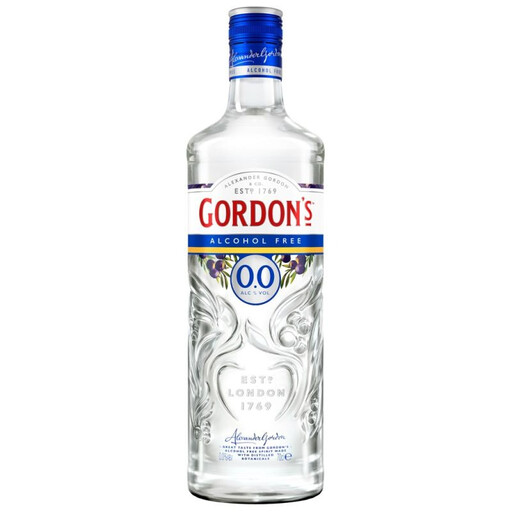
Why it's a match: For anyone who appreciates the complex taste of a gin and tonic or cocktail but wants to skip the alcohol. An excellent base for sophisticated mocktails.
This product bypasses the sugar trap by relying on a distillate of real botanicals instead of creating flavour with sweetness. It's a true alternative, not a sugary substitute.
Guaranteed 0.0% alcohol and, according to the manufacturer, is made with the same botanicals as the classic Gordon's Gin, delivering an authentic flavour profile with notes of juniper and citrus.
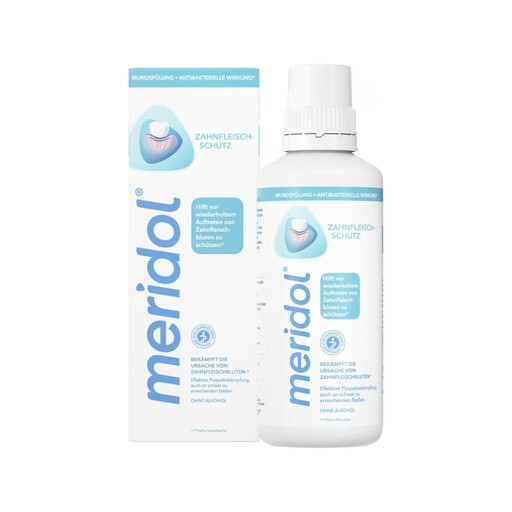
Why it's a match: Designed for people with sensitive gums or for those who want to avoid the burning sensation of traditional mouthwashes.
This alcohol-free mouthwash intentionally omits irritating alcohol, offering a gentle alternative designed for daily use without drying out the oral mucosa.
The formula, with amine fluoride and stannous fluoride, is designed to combat the cause of gum irritation while ensuring gentle care.
While we've focused here on consumable and cosmetic alcohol-free products, it's important to know the different types of alcohol and their specific uses. For technical or decorative applications, such as in indoor fireplaces, pure bio-ethanol is required. This is not suitable for consumption or skin care but serves as a clean-burning fuel. An example of this is the FAVORIT Bio-Ethanol, which is designed for odourless combustion in decorative fireplaces.
We have compiled a complete, real-time list of products that fully meet these strict selection criteria and local regulations.
1. What does "alcohol-free" really mean? In many regions, beverages can be labelled "alcohol-free" if their alcohol content does not exceed 0.5% by volume. If you want to avoid alcohol completely, you should only choose products with the "0.0% alcohol" label.
2. Are alcohol-free drinks safe for pregnant women? For maximum safety during pregnancy, it is recommended to stick to products labelled "0.0% alcohol" to exclude any residual alcohol. It is always advisable to seek medical advice if you are unsure.
3. Why do some "alcohol-free" cosmetics still contain alcohols? The term "alcohol" is chemically broad. In cosmetics, a distinction is made between drying, short-chain alcohols (e.g., Alcohol Denat., Ethanol) and nourishing, long-chain fatty alcohols (e.g., Cetyl Alcohol, Stearyl Alcohol). A product advertised as "alcohol-free" should be free of the former, potentially irritating types of alcohol.