
Lieferung heute & morgen

Qualitätsgarantie

Willkommens-Angebote freischalten: KOSTENLOSE Lieferung | Bis zu 80 % RABATT | Kostenlose 30-Tage-JoyPlus-Testphase
App herunterladen
By Joybuy Product Recommendation Officer, July 05, 2026
There are many occasions for a toast, but alcohol isn't always the right choice. Whether for health reasons, during pregnancy, as a designated driver, or simply out of personal preference, the demand for high-quality alcohol-free sparkling wine is steadily growing. The challenge is finding a product that delivers on taste and lives up to the festive moment.
This article serves as your guide. It outlines objective criteria for making a selection and presents a curated list of products to help make your decision when buying alcohol-free sparkling wine easier.
The quality and taste of alcohol-free sparkling wine have evolved significantly in recent years. To find the perfect product for your needs, the following criteria can be helpful.
The most common production method is the dealcoholization of the base wine. This process gently removes the alcohol from the finished wine, typically through vacuum distillation at low temperatures. This technique aims to preserve the original aromas as much as possible. By law in Germany, a beverage labelled 'alcohol-free' is permitted to contain up to 0.5% alcohol by volume (ABV). This level is comparable to that found in fruit juices. Individuals who must avoid alcohol entirely, such as pregnant women, should check the label carefully and, when in doubt, opt for products labelled '0.0% alcohol'.
As with traditional sparkling wine, the grape variety is the key determinant of flavour in the alcohol-free version.
Another key aspect is the sugar content, which influences the taste from dry to sweet and is relevant to the overall calorie count. Many producers intentionally offer a low-calorie sparkling wine as a lighter alternative. The nutritional information on the label provides details on the exact sugar and calorie content per 100 ml.
Based on objective product features, we have curated a selection that caters to different tastes and occasions.
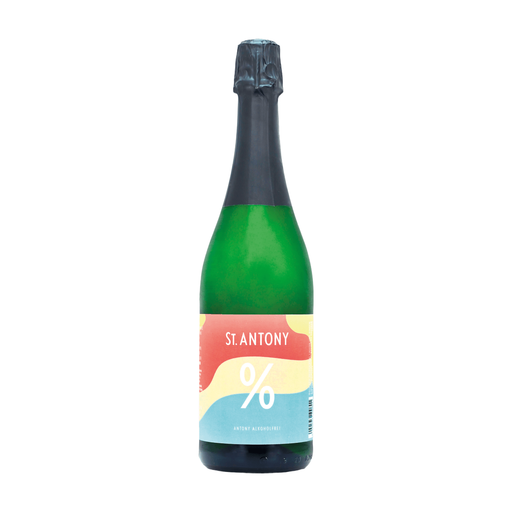
Why It Stands Out: This alcohol-free sparkling wine comes from the renowned VDP winery St. Antony in Rheinhessen and is based on the Riesling grape. It stands out for its exceptionally low energy value. According to the producer, it contains only 20 kJ / 5 kcal per 100 ml.
Pros:
Who It's For: Ideal for consumers who appreciate the classic, fruity-mineral character of a German Riesling and are looking for a particularly low-calorie option for toasting.
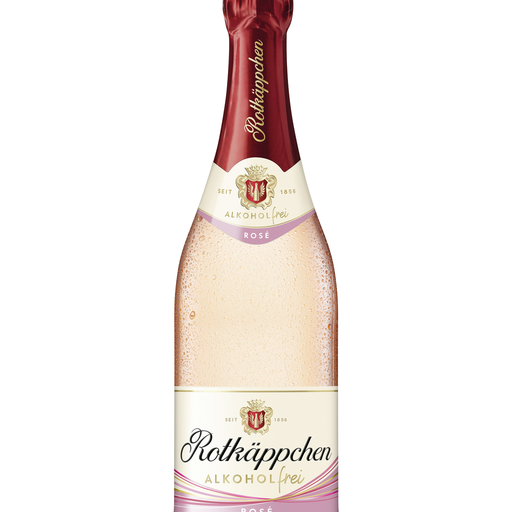
Why It Stands Out:Rotk?ppchen alcohol-free is a well-known brand in the German market. This rosé version is made from high-quality wines that are gently dealcoholized. The flavour profile is berry-forward and fruity, with notes of raspberry and strawberry.
Pros:
Who It's For: A great choice for hosts and connoisseurs looking for a fruit-forward and approachable alternative. Especially fitting for festive occasions that call for a non-alcoholic sparkling wine for toasting.
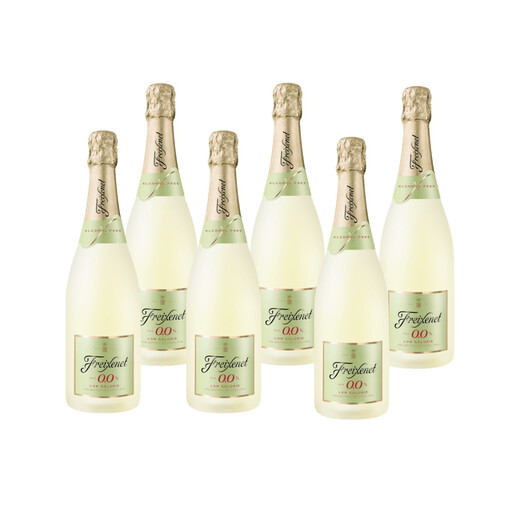
Why It Stands Out:Freixenet alcohol-free offers an internationally renowned alternative with its Legero. Made from Muscat grapes, it combines exotic fruit aromas like mango and passion fruit with delicate vanilla notes.
Pros:
Who It's For: For anyone who prefers a well-known Spanish brand and seeks an expressive, aromatic taste experience with a touch of the exotic.
Haven't found the right product for you yet? The market for alcohol-free sparkling wines is diverse, offering numerous other flavours and styles. If you'd like to compare more options, you can find a wider selection in our category.
Discover the entire range of Alcohol-Free Sparkling Wine here
The 'alcohol-free' designation legally permits a residual alcohol content of up to 0.5% by volume (ABV). This amount is so low that it has no physiological effect and can also be found in common foods like ripe bananas or fruit juices. Products labelled '0.0% alcohol' contain no measurable alcohol.
Many pregnant women turn to alcohol-free sparkling wine as a festive alternative. Due to the possible residual alcohol content of up to 0.5%, it is often recommended to opt for products with a clear '0.0%' label. If you are uncertain, it is advisable to consult your doctor to make an informed decision.
Alcohol-free sparkling wine generally has significantly fewer calories than its alcoholic counterpart, as alcohol itself is a major source of energy. The calorie content varies depending on the sugar level and typically ranges from 20 to 35 kcal per 100 ml. The St. Antony Riesling Alkoholfrei, with just 5 kcal per 100 ml, is an example of a particularly low-calorie sparkling wine.