
Lieferung heute & morgen

Qualitätsgarantie

Willkommens-Angebote freischalten: KOSTENLOSE Lieferung | Bis zu 80 % RABATT | Kostenlose 30-Tage-JoyPlus-Testphase
App herunterladen
By Joybuy, your Product Recommendation Officer Last updated: July 14, 2026
Choosing to avoid alcohol doesn't mean you have to miss out on the pleasure of a good glass of wine. Whether for health reasons, during pregnancy, as a designated driver, or simply out of curiosity, the demand for high-quality alcohol-free wine is steadily growing. The market now offers a vast array of options, which can make choosing the right one a challenge.
This buying guide is designed to help you make an informed decision. We will outline objective criteria and present a selection of products that stand out for their unique characteristics.
To find the right wine without alcohol, a little background knowledge is helpful. The following points can serve as your guide.
The quality of an alcohol-free wine largely depends on the dealcoholisation process. A common and gentle method is vacuum distillation. This process removes the alcohol from the finished wine under a vacuum at low temperatures (below 30°C). This technique helps to preserve a significant portion of the original aromas.
Pay close attention to the alcohol content labelling:
As with traditional wine, the grape varieties used determine the fundamental flavour profile of the alcohol-free version. An alcohol-free red wine made from Syrah grapes will have different notes than an alcohol-free white wine made from Muscat. Renowned wineries like Torres leverage their extensive experience to preserve the grape's characteristic flavour even in their alcohol-free lines, such as Torres alcohol-free. The result is often a more complex and authentic aroma.
A key advantage of wine without alcohol is its lower calorie count, as alcohol itself is a significant source of energy. Therefore, a low-calorie wine is often an alcohol-free one. It's advisable to check the label for sugar and calorie information per 100 ml to find a product that aligns with your dietary preferences.
Based on the criteria mentioned, we have curated a selection of products that stand out for their specific qualities and origin.
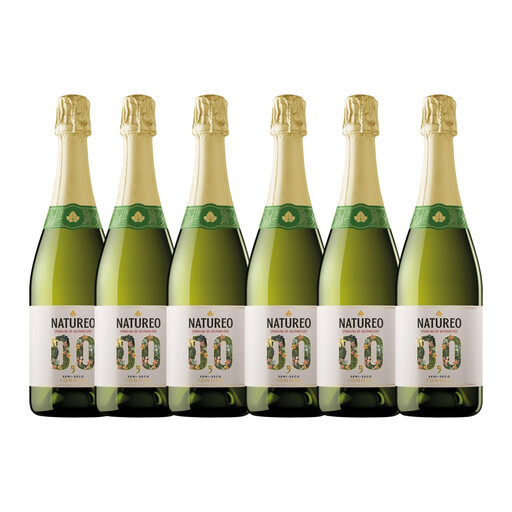
Why It Stands Out The Natureo Sparkling is an off-dry, alcohol-free sparkling wine from Spain, made from 100% Muscat grapes. It offers a festive alternative for special occasions without compromising on taste. Its lively effervescence and exotic bouquet make it an excellent choice for anyone looking to buy alcohol-free sparkling wine.
Benefits
Who Is It For? Ideal for celebrations, as an aperitif, or for fans of aromatic, off-dry sparkling wines who are looking for a completely alcohol-free option.
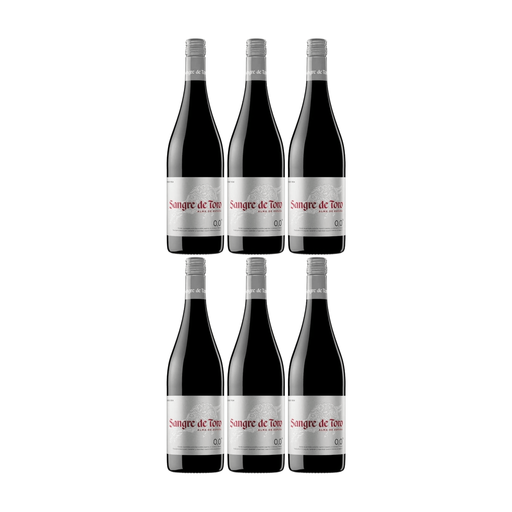
Why It Stands Out The Sangre de Toro 0.0 is a characterful alcohol-free red wine from Spain. The blend of Garnacha Tintera and Syrah gives it a remarkable structure and depth, often sought after in alcohol-free red wines. It offers a round and smooth mouthfeel with soft tannins.
Benefits
Who Is It For? For those who appreciate the complex character of a Mediterranean red wine and are looking for a suitable alcohol-free pairing for savoury dishes.
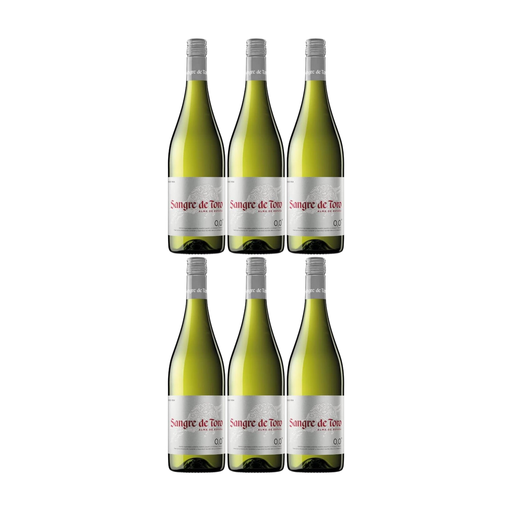
Why It Stands Out This alcohol-free white wine from Torres is made from 100% Moscatel grapes and presents as light, fruity, and refreshing. Its delicate acidity provides a lively balance, making it a refreshing delight, especially on warmer days.
Benefits
Who Is It For? An excellent choice for anyone who prefers a light and refreshing wine without alcohol for casual enjoyment or as an accompaniment to light meals.
Taste is personal, and the selection presented here may not cover every preference. If you're looking for other styles, grape varieties, or countries of origin, there is a wide range to explore.
Explore our entire range of alcohol-free wines and find the perfect alternative for your palate.
Special care should be taken when choosing a wine for pregnant women. Products labelled as "alcohol-free" can legally contain up to 0.5% ABV. Products with the "0.0% Alcohol" label are safer, as they contain no detectable alcohol. The Torres wines recommended here fall into this category. Nevertheless, it is always recommended to discuss your choice of food and beverages with a doctor during pregnancy.
Yes, as a rule, alcohol-free wine is a low-calorie wine. The main source of energy in conventional wine is alcohol. By removing it, the calorie content is significantly reduced. For comparison, the products featured here contain between 19 and 26 kcal per 100 ml, whereas a conventional wine often has 70–85 kcal per 100 ml.
A common, high-quality method is vacuum distillation. After the regular winemaking process, the wine is placed in a vacuum. This lowers the boiling point of alcohol to below 30°C. The alcohol can then gently evaporate, while most of the wine's volatile and temperature-sensitive aromatic compounds are preserved.