
Lieferung heute & morgen

Qualitätsgarantie

Willkommens-Angebote freischalten: KOSTENLOSE Lieferung | Bis zu 80 % RABATT | Kostenlose 30-Tage-JoyPlus-Testphase
App herunterladen
Choosing a car seat is one of the most important decisions for parents and grandparents. An all-in-one i-Size car seat represents a long-term, safety-focused solution that will accompany your child for many years. However, with a wide variety of models, standards, and features, making the right choice can be complex.
This guide offers objective orientation. We explain the crucial criteria for your purchase and present a selection of models that stand out for their specific features and extended usability. Our goal is to provide you with an informed basis for your decision, based on objective characteristics.
To make the right choice, several technical and safety-related aspects are important. The following points will help you evaluate the features of different models.
The latest European approval standard for child car seats is UN R129, better known as i-Size. Unlike the older ECE R44/04 standard, which divided children into groups by weight (e.g., a Group 1/2/3 car seat for approx. 9–36 kg), i-Size classifies seats based on the child's height.
Other key features of the i-Size standard include:
An ISOFIX car seat has standardised attachment arms that lock directly into the corresponding anchor points in the vehicle's chassis. This system offers two significant advantages:
All-in-one seats adapt to a child's growth over several years. This is achieved through adjustable headrests and adaptable harness systems.
Based on the criteria above, we have compiled a selection of i-Size car seats that stand out for their functionality and long-term usability.
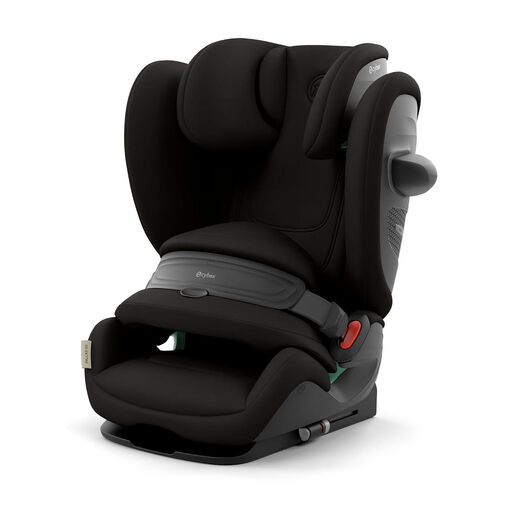
Why it stands out: The Pallas G3 i-Size is a 2-in-1 seat designed for an exceptionally long period of use, from approximately 15 months to 12 years old. Its key feature is an optimised impact shield that secures the child up to a height of 100 cm (or 21 kg). According to the manufacturer, this technology reduces the risk of neck injuries in a frontal collision.
Advantages:
Who is it for? For parents seeking a forward-thinking, single-seat solution from the toddler years onward who prefer the handling and functionality of an impact shield.
View Product: Cybex Gold Pallas G3 i-Size
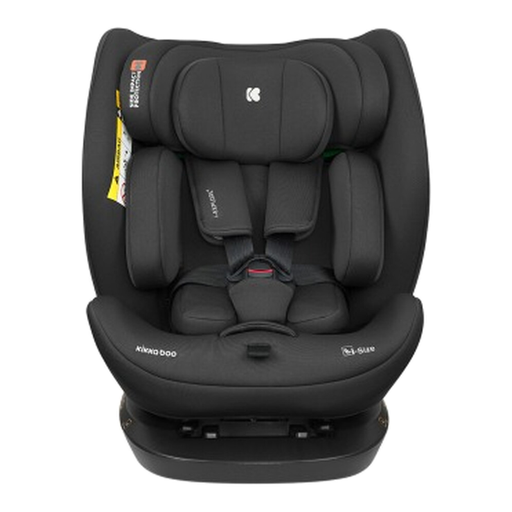
Why it stands out: The Kikka boo i-Explore 2 covers the entire period of use—from birth (40 cm) until the car seat requirement ends (150 cm). It allows for use as a rear-facing car seat up to a height of 105 cm and meets the i-Size standard UN R129/04, certified by T?V NORD.
Advantages:
Who is it for? For families looking for an all-in-one solution from day one, who want to purchase a single seat that accommodates both rear-facing and forward-facing travel.
View Product: Kikka boo i-Explore 2 i-SIZE
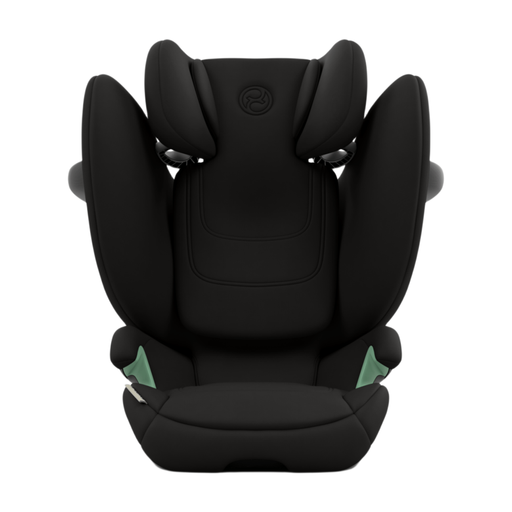
Why it stands out: The Solution G2 I-Fix is a next-stage seat for children from approx. 3 to 12 years old (100–150 cm). It functions as a high-back booster seat and is distinguished by its foldability. This makes it particularly practical for families who frequently switch the seat between vehicles or take it on trips. It is the successor to the Solution G i-Fix model, which gained recognition in consumer tests.
Advantages:
Who is it for? For parents of children aged 3 and up who need a safe and comfortable next-stage seat. Especially beneficial for families who value flexibility and easy transport.
View Product: cybex Solution G2 I-Fix
The models presented here cover common requirements. If you haven't found the right fit for your specific situation—whether it's a particularly compact car, special comfort needs, or other priorities—you can find more alternatives in our collection.
Discover our full range of car seats and strollers
1. What distinguishes an i-Size car seat from older models? i-Size (UN R129) is a newer standard that classifies seats by height instead of weight. It mandates stricter side-impact tests and requires extended rear-facing use (until at least 15 months), which is considered safer for young children.
2. How long can an all-in-one car seat be used? The usability span varies by model. Some seats can be used from birth (approx. 40 cm) until the end of the car seat requirement (150 cm, approx. 12 years). Other models are designed for a period from the toddler years (approx. 15 months) up to age 12.
3. Impact shield or 5-point harness: What are the differences? Both systems are designed to secure the child and must meet legal safety requirements. An impact shield rests in front of the torso like a cushion and distributes impact forces over a large area. A 5-point harness secures the child at the shoulders and hips. The choice between the systems often depends on parental preference and the child's comfort.