
Lieferung heute & morgen

Qualitätsgarantie

Willkommens-Angebote freischalten: KOSTENLOSE Lieferung | Bis zu 80 % RABATT | Kostenlose 30-Tage-JoyPlus-Testphase
App herunterladen
A single duvet for the entire year—the promise of an all-season duvet is both practical and straightforward. However, the search for the right model can quickly become overwhelming. Many products fail to deliver on their promises, leading to restless nights or proving to be a poor investment. Before you make a decision, it's crucial to understand the common pitfalls often hidden behind marketing claims.
This guide will help you separate the wheat from the chaff. We'll highlight the three most common problems with all-season duvets and show you which objective criteria truly matter.
The 3 most common problems when choosing an all-season duvet:
To avoid a bad buy, you should focus on the construction and material properties. These factors are key in determining the comfort and longevity of your new duvet.
The fill material and its construction are fundamental to a duvet's performance. Synthetic fills, such as polyester fibres, are often an excellent choice for an allergy-friendly duvet. They are naturally less prone to dust mites and can typically be washed at high temperatures without issue.
Pay close attention to the stitching. A high-quality quilted duvet features a well-designed box-stitch or baffle-box construction. These seams divide the duvet into smaller sections, securing the fill in place. This prevents the material from shifting or clumping—even after multiple washes. The result is even heat distribution without any cold spots.
A good 4-season duvet must do more than just provide warmth. It also needs to effectively wick away moisture that the body releases during sleep. Materials described as breathable support this process, ensuring a dry and comfortable sleeping environment. This is crucial in the summer to prevent overheating and in the winter to avoid feeling chilled by dampness.
Ease of care is a key quality indicator. A washable duvet should ideally be machine washable at a minimum of 40°C, or preferably 60°C for allergy sufferers. Always check the manufacturer's instructions for washing and tumble drying carefully.
Size also plays a vital role in sleep comfort. The standard size for individuals in Germany is the 135x200 cm duvet. Couples often opt for the 200x200 cm duvet to ensure enough room for both people. Comfort sizes like 155x220 cm offer extra space to snuggle into.
Instead of making a one-size-fits-all recommendation, we have matched models based on different user profiles and requirements.
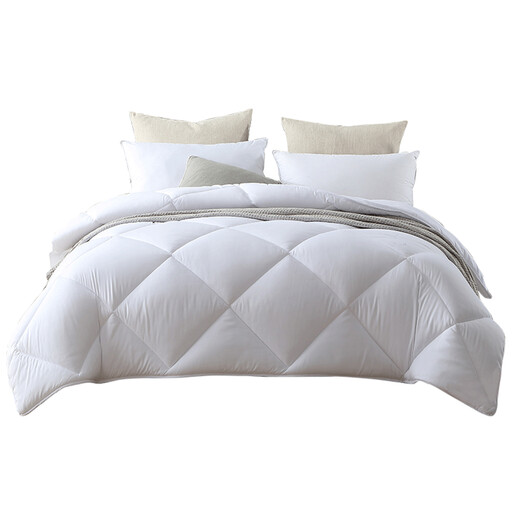
Why it's a good fit: This model, in the standard 135x200 cm size, is a straightforward and functional solution for single beds. It focuses on essential features like ease of care and year-round comfort.
The box-stitching secures the fill against shifting and clumping, ensuring consistent thermal performance throughout its lifespan.
Machine washable and designated as allergy-friendly, allowing for simple and hygienic maintenance.
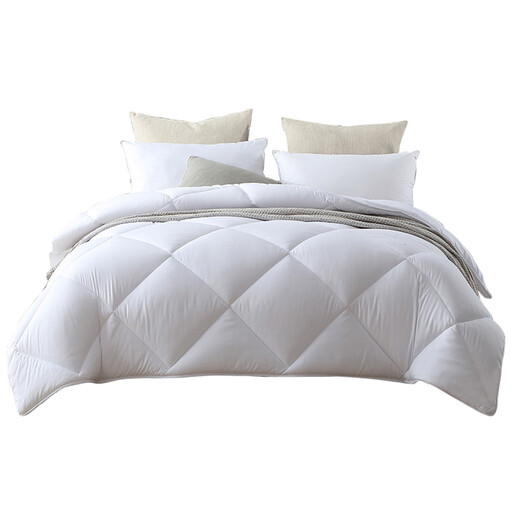
Why it's a good fit: The popular 200x200 cm size for couples provides plenty of coverage for two people. The model is designed to create a balanced sleep climate for two users with potentially different temperature sensitivities.
The material, described as breathable, helps regulate the temperature under the duvet, preventing the nighttime heat buildup that can often occur with two people.
The soft surface and generous dimensions ensure a high level of comfort in a double bed.
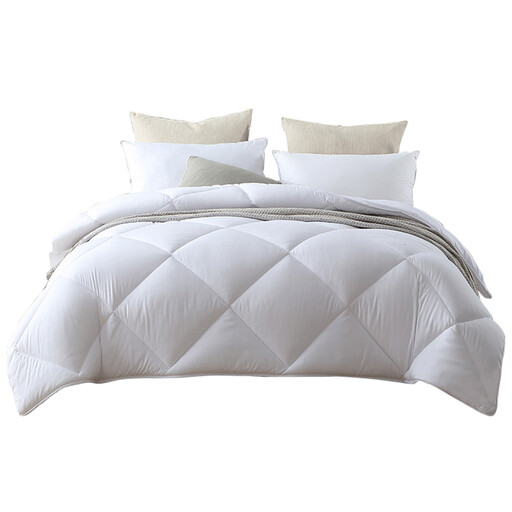
Why it's a good fit: The 155x220 cm comfort size offers extra length and width for taller individuals or anyone who loves to wrap themselves completely in their duvet without letting cold air in.
Despite its larger surface area, the construction ensures dimensional stability. The fill remains evenly distributed and resists clumping, even in a larger duvet.
Provides a more generous and luxurious feel thanks to its extra dimensions, noticeably enhancing sleep comfort.
We have compiled a complete, up-to-date list of products that fully meet these strict selection criteria and comply with current safety regulations.
For good sleep hygiene, it is recommended to wash your all-season duvet once or twice a year. Allergy sufferers should consider washing it more frequently, about every three to four months, to consistently reduce allergens like dust mites. Always follow the manufacturer's care instructions.
The choice of size depends on your height, sleeping habits, and the size of your bed.
An all-season duvet is a compromise that works well for most nights of the year in centrally heated homes. It offers a medium level of warmth. On very cold winter nights, or for people who get cold easily, an additional wool blanket might be a good idea. During particularly hot summer nights, it may be too warm for some sleepers; in this case, a lightweight duvet cover used without the insert may suffice.