
Lieferung heute & morgen

Qualitätsgarantie

Willkommens-Angebote freischalten: KOSTENLOSE Lieferung | Bis zu 80 % RABATT | Kostenlose 30-Tage-JoyPlus-Testphase
App herunterladen
The search for the ideal all-season duvet can quickly become overwhelming. While the market promises a single solution for all four seasons, unclear product descriptions and exaggerated marketing claims often lead to disappointment. Instead of sleeping comfortably year-round, you might find yourself struggling with heat buildup in the summer and feeling cold in the winter.
This guide will help you identify the crucial features and steer clear of common purchasing pitfalls. We'll show you what truly matters so you can make an informed decision.
Many buyers regret their decision because they fell for common marketing traps. Pay close attention to these three points:
To avoid a bad purchase, you should focus on objective and verifiable properties. The following three parameters are crucial for comfort and durability.
The fill material is a key determinant of thermal insulation, weight, and suitability for allergy sufferers.
The fabric that encases the filling is just as important for the sleeping environment as the filling itself. A good cover fabric promotes air circulation and wicks moisture away from the body. Materials like cotton, Tencel (Lyocell), or special performance fabrics are often a good choice here. A cooling duvet often uses special technologies or fabric blends to actively dissipate heat, which is particularly beneficial on warm nights.
The right size is essential for sleeping comfort. The standard size for single beds in Germany is the 135x200 cm duvet. For double beds, wider models starting from 200 cm are common. Pay attention to the duvet's quilting: A baffle-box or box-stitch pattern prevents the filling from shifting and distributing unevenly. This is especially important to ensure the duvet retains its shape even after washing.
Instead of making a blanket recommendation, we have identified products tailored to specific needs and user profiles.
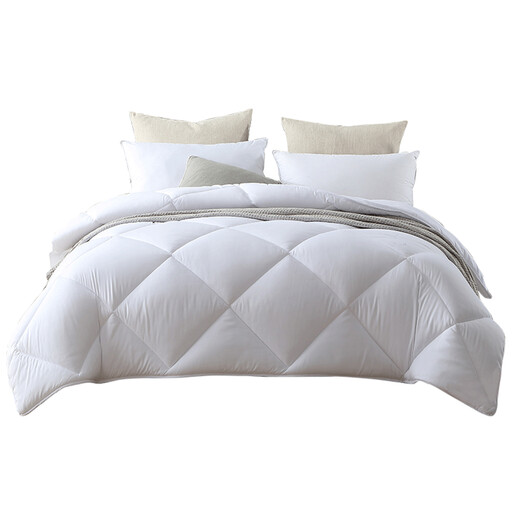
Why this model is a good fit: Ideal for students, first-time apartment dwellers, or as a reliable guest duvet. It offers solid basic features for normally tempered bedrooms without breaking the bank.
The product focuses on clear, functional features: It is declared as hypoallergenic and washable. Instead of vague promises, it delivers a practical, low-maintenance solution for everyday use.
Excellent value for money in the standard 135x200 cm size. The easy-care handling makes it a straightforward choice.
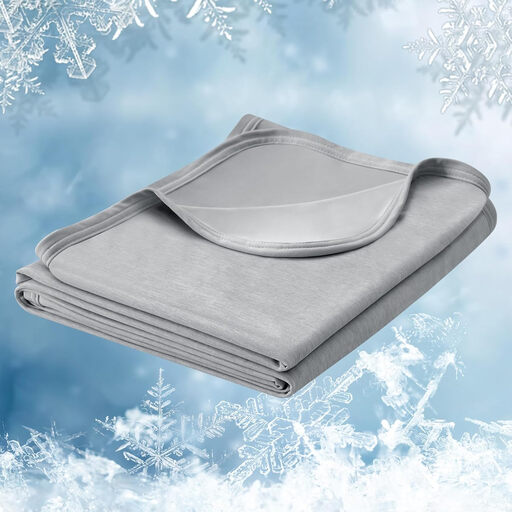
Why this model is a good fit: Perfect for people who tend to sweat at night or are looking for a noticeably cooling duvet for the summer. The 2-in-1 design also makes it useful as a lightweight duvet for transitional seasons.
This product avoids the "one-size-fits-all" illusion. It is clearly positioned as a summer duvet and transitional duvet. According to the manufacturer WOLTU, the cooling performance is backed by a technical value (Q-Max > 0.45) rather than just vague "cooling" claims.
The dual-sided design offers flexibility: one side with Arc-Chill fibres for an instant cooling effect and a jersey side for temperature regulation.
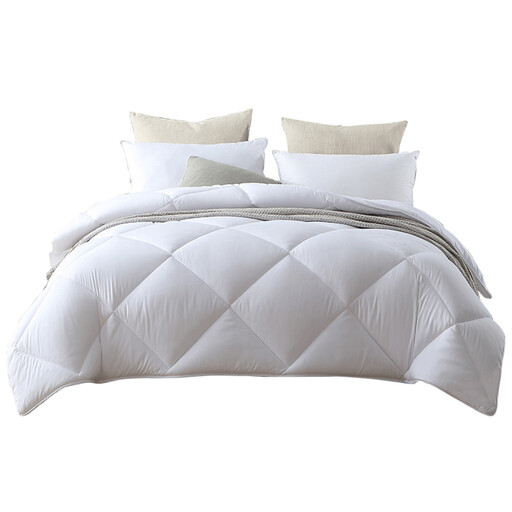
Why this model is a good fit: With its generous size, it is ideal for family or double beds. The low-maintenance and hypoallergenic properties are particularly advantageous in households with children or pets.
This model avoids the trap of impractical care by being explicitly labelled as washable. The robust construction with quilting ensures that the filling stays in place even with frequent cleaning.
The oversized 220x240 cm dimensions offer great comfort for couples, preventing nightly 'tugs-of-war' over the duvet. The hypoallergenic filling ensures a peaceful sleeping environment for everyone.
We have compiled a complete, up-to-date list of products that fully meet these strict selection criteria and applicable safety regulations.
For hygiene reasons, it is recommended to wash a duvet once or twice a year. Allergy sufferers may need to clean their duvet more frequently, about every three to four months. Always follow the specific care instructions from the manufacturer on the label.
This largely depends on your personal warmth preference, the room temperature, and the quality of the duvet. For normally heated bedrooms (approx. 16–18 °C), a good all-season duvet is often sufficient. Those who get cold very easily or live in a cool, older building might be better off with a dedicated winter duvet or a 4-seasons system (two duvets that can be buttoned together).
For allergy sufferers, synthetic fillings like polyester hollowfibre or microfibre are generally the safest choice. These materials can be washed at high temperatures (often 60 °C or more), which effectively kills dust mites and other allergens. Additionally, they do not provide a natural habitat for mites. Look for labels such as "suitable for allergy sufferers" or "hypoallergenic."