
Lieferung heute & morgen

Qualitätsgarantie

Willkommens-Angebote freischalten: KOSTENLOSE Lieferung | Bis zu 80 % RABATT | Kostenlose 30-Tage-JoyPlus-Testphase
App herunterladen
An all-season duvet should keep you from overheating in summer while providing enough warmth during the cooler months. It also needs to suit your bed size, how warm you like to be and how much care it requires. If you focus only on a soft finish or a particularly cheap-sounding product description, you could miss important details.
Labels such as ‘extra warm’, ‘for all seasons’ or ‘especially cosy’ don’t tell you much on their own about a duvet’s actual warmth. Key factors include filling material, filling weight, quilting and cover. Without this information, it can be difficult to judge whether the duvet is suitable for a heated bedroom, changing temperatures or cold nights.
An all-season duvet is a compromise. It can be a practical choice for many households, but it won’t automatically replace both a lightweight summer duvet and an especially warm winter one.
A duvet should hang far enough over the edges of your mattress. A 135 x 200 cm duvet is a common size for a single bed. Depending on the width of the bed, couples will usually need a double duvet. Common sizes include 220 x 230 cm, 220 x 240 cm and 220 x 260 cm.
Larger duvets can be harder to put a cover on and to wash. A duvet that’s too small, on the other hand, provides less coverage and can shift more easily when shared by two people.
Before buying, check what temperature the duvet can be washed at, whether it’s suitable for tumble drying and whether the filling needs to be redistributed after washing. Even a duvet described as suitable for allergy sufferers should be assessed against its actual care instructions. The label alone is not a medical guarantee and doesn’t replace checking whether it’s suitable for you.
A quilted duvet can be filled with synthetic fibres or natural materials such as down and feathers. A down and feather duvet can feel lightweight, but it needs the right care and you should check the product details carefully. With synthetic fillings, washability and even quilting are often key factors to consider.
A warm winter duvet may be a good choice for cold bedrooms or for anyone who feels the cold. If you sleep in a well-heated home, you may not need a particularly thick duvet.
A breathable duvet should let moisture and heat escape rather than trapping them unnecessarily. A suitable cover, evenly distributed filling and a tog weight that’s right for the season all play a part. Consider claims such as ‘breathable’ in light of the material details and care instructions, not just the product description.
Quilting keeps the filling in separate compartments and can help prevent it from shifting. It’s also important to make sure the measurements suit your duvet covers. A duvet that’s 220 cm wide needs a cover to match; standard single-bed sizes won’t be suitable.
Before you buy, run through this quick checklist:
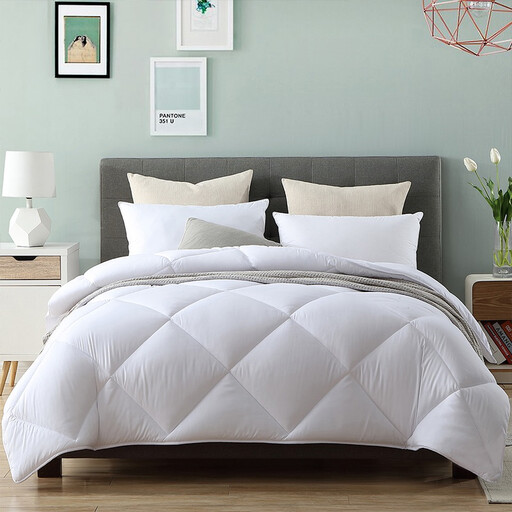
Why it suits this profile: The 220 x 230 cm size is suitable for a double bed if you’re looking for a wider duvet with a moderate length. According to the product description, it’s designed for summer, autumn and winter, and is washable.
The exact measurements make it easier to check whether your duvet covers will fit. The stated washability gives you a care detail you can verify, but you should still check the care label.
Double-bed size: 220 x 230 cm; described as breathable, soft, washable and non-allergenic.
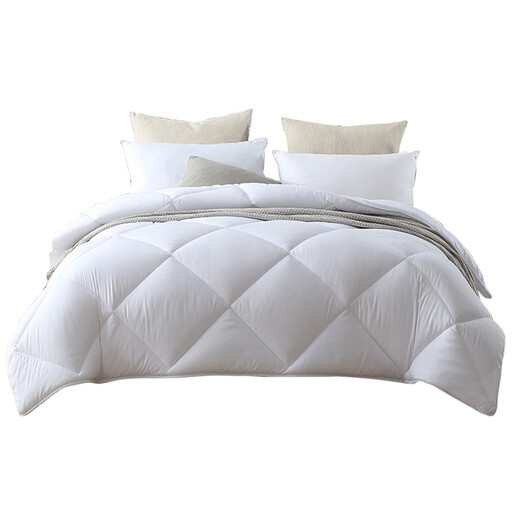
Why it suits this profile: The extra length could be useful for deep mattresses, large bed frames or anyone who wants more coverage. This version is described as a double duvet for year-round use.
The measurements are clearly stated, so you won’t mistake a large duvet for a standard size. Check that you have suitable duvet covers before buying.
Generous 220 x 260 cm size; described as soft, breathable and washable, and designed for use across several seasons.
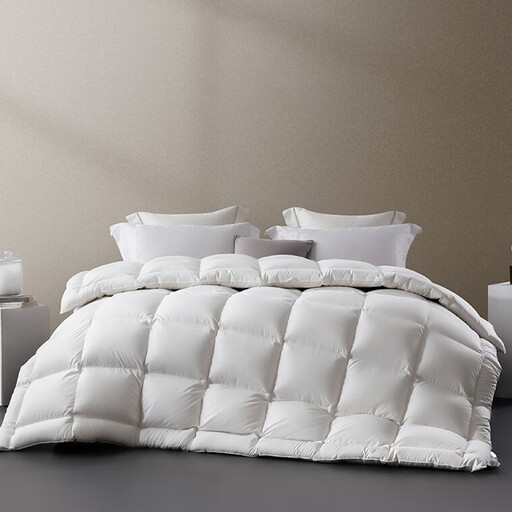
Why it suits this profile: The 135 x 200 cm size is designed for single beds. According to the product description, this down and feather duvet is intended for summer, autumn and winter, with extra warmth.
The single-bed size is clearly stated. If you’re looking for a warm winter duvet, you can compare the natural filling and stated warmth with your own care needs and preferences.
Single-bed size: 135 x 200 cm; described as having a duck feather and down filling, with an extra-warm, thick design.
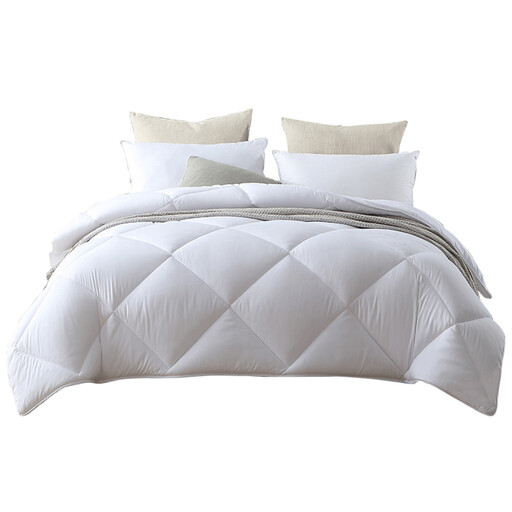
Why it suits this profile: The 220 x 240 cm size is a popular option for double beds. According to the product description, this version is designed for summer, autumn and winter, and is suitable for machine washing.
The exact measurements make it easier to compare the duvet with your covers. Its stated washability is useful for households where the duvet is used frequently; check the recommended washing temperature before buying.
Double-bed size: 220 x 240 cm; described as soft, breathable, washable and non-allergenic.
We’ve put together a complete, regularly updated list of products that meet these strict selection criteria and fully comply with the safety regulations in force in the EU.
Washable duvets should be cleaned according to the care label. Washing at too high a temperature or drying them incorrectly can damage the filling and cover. After washing, make sure the duvet is completely dry before using it again or putting it away. Shaking it out regularly can help keep the filling evenly distributed.
Down and feather duvets often have different care requirements from synthetic quilts. If you don’t have much time for special care, compare the washing and drying instructions particularly carefully.
It depends on the warmth, filling weight, material and room temperature. An all-season duvet may be enough for a well-heated bedroom. If your room is cold or you feel the cold, a version specifically described as a warm winter duvet is often a better choice.
It depends on the width of the bed, the depth of the mattress and how much overhang you want. Common sizes include 220 x 230 cm and 220 x 240 cm. If you have a particularly deep mattress or want more overhang, a 220 x 260 cm duvet may be suitable. Measure your existing duvet covers before buying.
There’s no one-size-fits-all answer. It depends on the material, construction, how often it’s washed, how it’s dried and how it’s stored. Signs of wear include filling that remains lumpy, damaged stitching, areas that have become thin or a loss of comfort that affects how well you sleep.