
Lieferung heute & morgen

Qualitätsgarantie

Willkommens-Angebote freischalten: KOSTENLOSE Lieferung | Bis zu 80 % RABATT | Kostenlose 30-Tage-JoyPlus-Testphase
App herunterladen
Shopping for a new duvet can quickly become overwhelming. The challenge is especially great with an all-season duvet, as you need a model that provides enough warmth in winter without causing overheating in summer. Many buyers end up with products that fail to deliver on their promises. To help you make the right choice, we'll highlight the most common pitfalls and explain the objective criteria that truly matter when buying a duvet.
Before you buy a duvet, you should be aware of the typical marketing promises and product flaws that often lead to disappointment.
To avoid a costly mistake, you should base your selection on objective and verifiable features. The following three parameters are crucial for performance and longevity.
The fill material is the primary determinant of the duvet's thermal insulation, weight, and care requirements.
The type of stitching ensures that the filling remains evenly distributed and prevents cold spots.
The right size significantly contributes to sleep comfort. The duvet should extend well over your body on all sides to prevent draughts. As a rule of thumb, the duvet should be at least 20 cm wider and 20 cm longer than your height.
Here are some recommendations tailored to different user profiles, taking the aforementioned quality criteria into account.
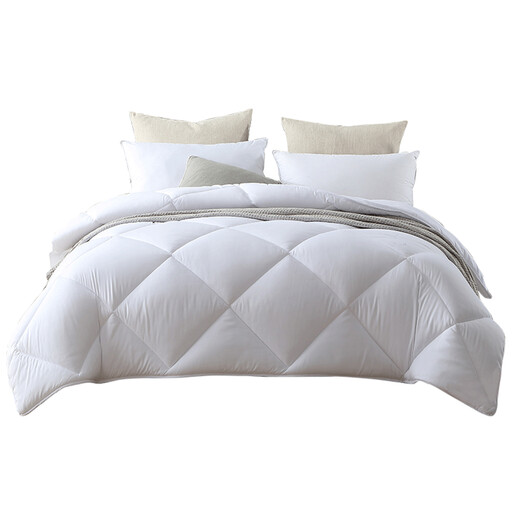
Why This Fits Their Persona: Ideal for individuals looking for a straightforward, low-maintenance, and affordable solution in the standard 135x200 cm duvet size. The synthetic filling is practical for everyday use.
This model is explicitly declared as a washable duvet and is anti-allergy, which counteracts the pitfalls of high maintenance and misleading material claims.
Easy to care for and machine washable; suitable for allergy sufferers due to its synthetic filling.
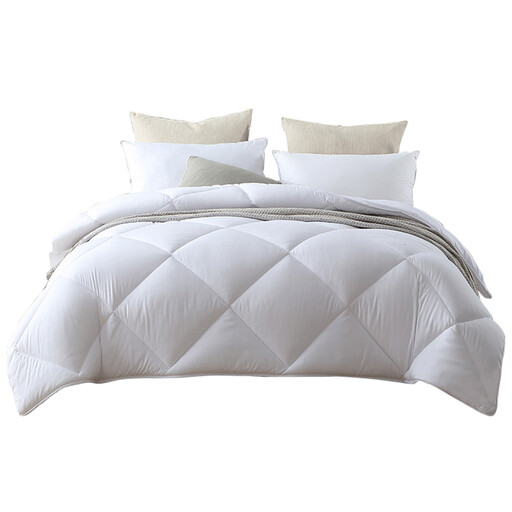
Why This Fits Their Persona: Perfect for those who want more freedom of movement and comfort. The comfort size 155x220 cm duvet provides better coverage and a more luxurious sleep experience.
The more generous dimensions provide a better buffer against temperature fluctuations and counter the "one-size-fits-all" problem, as it retains more heat than a smaller duvet.
Enhanced comfort due to its oversized dimensions; retains the easy-care and anti-allergy properties.
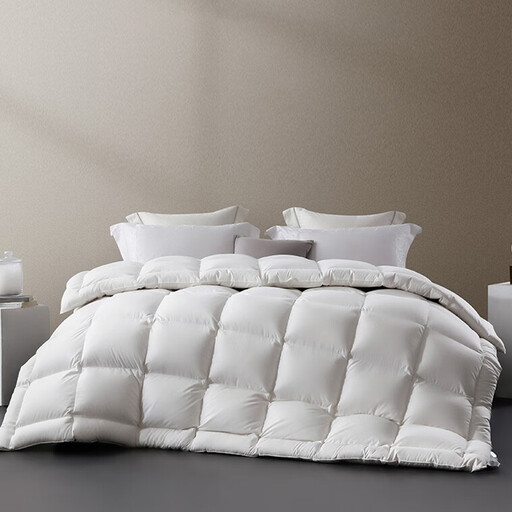
Why This Fits Their Persona: For individuals who get cold easily and find a standard all-season duvet insufficient. This dedicated winter duvet with a down and feather fill offers maximum thermal insulation.
This product bypasses the "all-season" myth by being clearly positioned for a specific purpose: cold nights. It is an honest solution for a specific need for high warmth.
Very high thermal insulation from the duck feather and down filling; ideal for cold bedrooms and the winter months.
If you'd like to compare more models, we have curated a selection of duvets that are suited for various needs based on objective criteria.
1. How often should you wash an all-season duvet? Generally, it is recommended to wash a duvet once or twice a year to ensure hygiene and freshness. For allergy sufferers, more frequent cleaning every two to three months may be beneficial. Always follow the manufacturer's care instructions on the label. Regularly airing out the duvet in fresh air also helps keep it fresh.
2. Is a down duvet suitable for allergy sufferers? This depends on the quality of the duvet and the type of allergy. Most allergies are not to the down itself but to dust mites. High-quality down duvets with a very tightly woven cover (e.g., with a Nomite certification) can be suitable for allergy sufferers as they make it difficult for mites to penetrate. However, a washable duvet with a synthetic filling that can be washed at 60°C or higher is often considered the safer choice.
3. Which warmth class is ideal for an all-season duvet? There is no universally ideal warmth class, as temperature sensitivity is highly individual. A duvet with warmth class 3 (on a scale of 1 to 5) is a good compromise for many. A more flexible alternative is a 4-seasons duvet. This consists of two separate duvets (e.g., a light summer duvet of class 1 and a transitional duvet of class 2) that can be buttoned together to form a warm winter duvet.