
Lieferung heute & morgen

Qualitätsgarantie

Willkommens-Angebote freischalten: KOSTENLOSE Lieferung | Bis zu 80 % RABATT | Kostenlose 30-Tage-JoyPlus-Testphase
App herunterladen
Modern vehicles integrate a growing number of electronic control units (ECUs), ranging from engine management and ABS to comfort systems. For professional mechanics, workshop operators, and experienced DIY enthusiasts, a simple fault code reader is often no longer sufficient. What's needed is an all-system car diagnostic tool that not only reads error codes but also enables in-depth analysis, service resets, and advanced functions like coding.
This article serves as a guide. It explains the crucial features of professional diagnostic tools and presents a selection of devices that cover different requirements and applications. The goal is to provide you with an objective basis for your purchasing decision.
Selecting the right device depends on the specific demands of your work. Three criteria are of particular importance.
A professional tool should be able to access all systems installed in the vehicle—not just the engine and transmission, but also the airbag, ABS, air conditioning, instrument cluster, and more. Equally important is support for modern communication protocols. CAN FD (CAN with Flexible Data-Rate) and DoIP (Diagnostics over Internet Protocol) are increasingly standard in newer vehicle models from manufacturers like General Motors, Volvo, and BMW. A future-proof tool must support these protocols to ensure broad vehicle coverage.
The range of functions is what separates simple code readers from professional tools. Look for the following features:
Vehicle technology is constantly evolving. Regular software updates are therefore essential to cover new models and functions. Many manufacturers rely on annual subscriptions, which can lead to significant running costs. Models that offer lifetime updates at no extra charge often represent a more economical investment, especially for independent workshops and ambitious DIY mechanics.
Based on the criteria mentioned, we have compiled a selection of devices that differ in their range of functions and field of application.
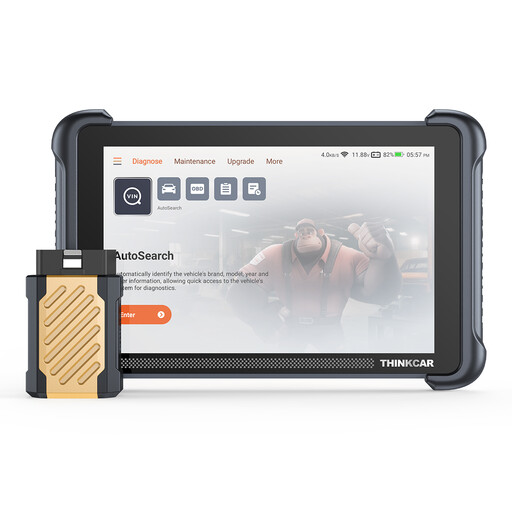
Why It Stands Out The THINKCAR ThinkScan 689BT is a powerful automotive diagnostic tablet designed for demanding workshop use. It combines comprehensive system diagnostics with advanced functions like ECU coding and bi-directional control. Support for CAN FD & DoIP and free lifetime updates make it a future-proof and cost-effective solution.
Benefits at a Glance
Who Is It For? This device is aimed at professional car workshops and experienced technicians who need an all-in-one diagnostic tool for complex fault analysis, maintenance, and coding tasks.
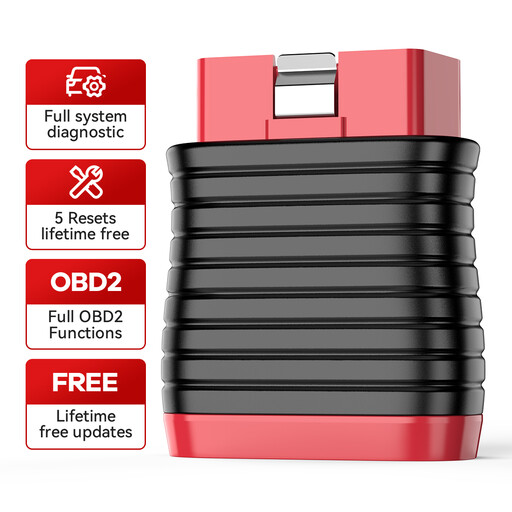
Why It Stands Out The THINKCAR BD6 is a compact Bluetooth adapter that turns a smartphone or tablet (iOS & Android) into a powerful diagnostic tool. It offers full system diagnostics and five essential reset functions (IMMO, Oil, Brake, ABS, ETS). This model is a practical solution for anyone looking for a portable yet in-depth diagnostic option.
Benefits at a Glance
Who Is It For? Ideal for experienced DIY mechanics, mobile mechanics, or as a secondary device in a workshop. It offers a good balance of functionality, portability, and cost.

Why It Stands Out The VDIAGTOOL VD10 is a straightforward professional OBD2 diagnostic tool for basic engine diagnostics. It focuses on the core tasks: reading and clearing fault codes to determine the cause of an illuminated check engine light. It requires no app or external power supply and is ready to use immediately after plugging it in.
Benefits at a Glance
Who Is It For? This device is intended for vehicle owners and DIY beginners who want a quick and easy way to diagnose engine-related problems and reset the check engine light. It is not a tool for system-wide diagnostics.
The models presented here cover a broad spectrum of requirements. However, if you are looking for a tool with different specifications or other accessories for your workshop, you can find additional diagnostic tools and related products in our Reading Accessories category.
A basic OBD2 scanner is legally standardised and primarily accesses the engine and emissions control system. It can read and clear generic fault codes (P0 codes). An all-system car diagnostic tool can also access manufacturer-specific systems such as ABS, airbag, transmission, air conditioning, and many more. It also offers advanced functions like service resets, active tests, and coding.
Yes, ECU coding is an advanced function that requires a deep understanding of vehicle electronics and systems. Improper coding can lead to ECU malfunctions. This function is therefore aimed primarily at experienced technicians and professional users. It is advisable to familiarise yourself thoroughly with the procedure for the specific vehicle model before use.
Vehicle manufacturers are constantly launching new models and updating the software in existing vehicles. A diagnostic tool without up-to-date software may be unable to perform diagnostics or may provide faulty results on newer vehicles. Lifetime updates ensure that the device remains compatible with new vehicles and systems for years to come, without recurring subscription fees. This significantly lowers the tool's total cost of ownership.