
Lieferung heute & morgen

Qualitätsgarantie

Willkommens-Angebote freischalten: KOSTENLOSE Lieferung | Bis zu 80 % RABATT | Kostenlose 30-Tage-JoyPlus-Testphase
App herunterladen
An illuminated warning light on your dashboard can quickly lead to uncertainty and the fear of high repair bills. A personal diagnostic tool promises a solution, but the market is confusing. Many ambitious DIY mechanics and workshop owners invest in a device that ultimately fails to deliver the expected performance. Before you make a purchase, it's crucial to understand the common pitfalls that often lead to disappointment.
The most common problems when choosing a tool are:
To ensure your new tool is up to the task, you should carefully examine three core technical areas. These determine whether a device is a worthwhile investment or a costly mistake.
To be considered a professional car diagnostic tool, a device needs more than just basic OBD2 functions. Ensure that the tool explicitly supports access to the four central control unit groups:
A tool that enables true ABS, SRS, and transmission diagnostics offers a significant advantage over basic engine-only scanners.
The ability to complete maintenance tasks yourself saves the most money in the long run. A good service reset tool should offer at least the following functions:
Vehicle manufacturers continuously update their software. A diagnostic tool without regular updates quickly becomes obsolete for newer models. Therefore, look for the promise of lifetime updates, ideally free and easily performed via Wi-Fi. Always check the manufacturer's compatibility list before purchasing to ensure your specific vehicle make, model, and year are supported.
Based on the criteria above, we have identified some products suitable for different needs and budgets.

Why This Fits Their Persona: Ideal for users who primarily want to quickly and easily identify the cause of a check engine light and clear the fault code, without needing to delve into other vehicle systems.
This device avoids the "all systems" trap by clearly positioning itself as an OBD2 scanner for the engine control unit. It sets no false expectations and has no hidden costs for non-existent features.
Very simple plug-and-play operation with no app or pairing required. A low purchase price for basic engine diagnostics.
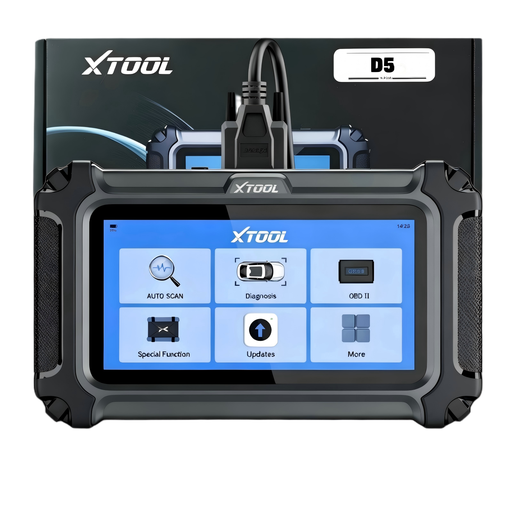
Why This Fits Their Persona: Perfect for the advanced DIYer who wants to not only read fault codes in all major systems but also perform maintenance tasks like oil changes, brake service (EPB), or DPF regeneration themselves.
The XTOOL D5 directly addresses the cost trap with its promise of lifetime updates at no extra charge. It delivers true system diagnostics for the engine, ABS, SRS, transmission, and EPB, fulfilling its promise.
Combines comprehensive system diagnostics with over 10 essential service functions in a rugged tablet. Support for CAN FD protocols ensures compatibility with newer vehicle models.
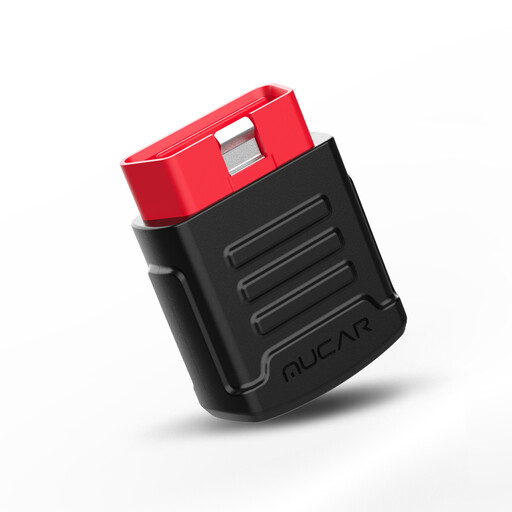
Why This Fits Their Persona: Suitable for users who prefer a flexible, app-based solution. The BT200 offers full system diagnostics via a compact Bluetooth dongle that connects to a smartphone.
This model is transparent: all-system diagnostics are free for life. The service functions (e.g., oil reset) are free for one year and can be purchased individually or as a package thereafter, allowing for flexible cost control.
Compact design and operation via a modern app. The lifetime free full-system scan function is a strong selling point in this price range.
We have compiled a complete, real-time list of products that fully satisfy these strict selection criteria and UK safety regulations.
Yes, in many cases. A good diagnostic tool allows you to identify the cause of warning lights yourself. Often, these are minor issues (like a loose gas cap) that you can fix on your own. For major repairs, you can give the workshop a precise indication of the problem, saving you expensive diagnostic time. Functions like the oil service reset also save the cost of this specific service.
"Lifetime updates" means the manufacturer continuously updates the device's software to add new vehicle models, fault codes, and functions without charging additional fees. This is crucial because a tool without updates quickly loses functionality with newer vehicles or after manufacturer software updates. It secures the long-term value of your investment.
Compatibility varies greatly. While basic OBD2 engine functions work on almost all vehicles from 2001 (petrol) or 2004 (diesel) onwards in the EU, access to deeper systems like ABS, SRS, or the transmission is highly dependent on the tool manufacturer and the vehicle model. Before buying, you must check the vehicle coverage list provided by the supplier on their website. Reputable providers allow for a detailed check by make, model, and year.