
Lieferung heute & morgen

Qualitätsgarantie

Willkommens-Angebote freischalten: KOSTENLOSE Lieferung | Bis zu 80 % RABATT | Kostenlose 30-Tage-JoyPlus-Testphase
App herunterladen
A warning light on your dashboard can be unsettling. Is it a minor issue, or the sign of an expensive repair? Instead of immediately rushing to a workshop, a modern all-system OBD2 diagnostic tool allows you to perform a precise initial analysis right in your own garage. These devices not only read engine fault codes but also communicate with control units for ABS, airbags (SRS), transmission, and many others.
This article serves as your guide. We'll explain the key technical features to look for and present a selection of tools that are particularly relevant for ambitious DIY mechanics and budget-conscious car owners in the UK.
The market offers a wide variety of devices with different feature sets. To find the right tool for your needs, the following points are crucial.
A basic fault code reader usually focuses only on the engine control unit (ECU), as required by the OBD2 standard. For an in-depth analysis, this is not enough. Look for terms like "all systems" or "Full System Diagnosis." This means the device can also access other important modules to perform comprehensive ABS SRS diagnostics or check the transmission control unit. This is essential for pinpointing the source of faults throughout the entire vehicle.
Modern vehicles require an electronic reset after many maintenance tasks. A good Service Reset Tool is therefore worth its weight in gold. The most important functions include:
For advanced users, features like bidirectional control (active test) and coding capabilities are valuable. Bidirectional control allows you to command individual components (e.g., fans, power windows) to test their functionality. A diagnostic tool with coding allows you to make adjustments to control units, such as programming new car keys or enabling comfort features.
A Bluetooth car diagnostic tool offers maximum flexibility. It connects wirelessly to your smartphone or tablet, which serves as the display and control unit. This enables convenient diagnostics without cumbersome cables.
Also, pay attention to support for modern protocols. A CAN FD scanner is compatible with newer vehicle models, especially from General Motors (GM) and Ford, which use this faster communication protocol. A device that supports CAN FD is a future-proof investment that ensures reliable diagnostics even on the latest vehicles.
Based on the criteria mentioned, we have compiled a selection of diagnostic tools that stand out for their functionality and value for money.
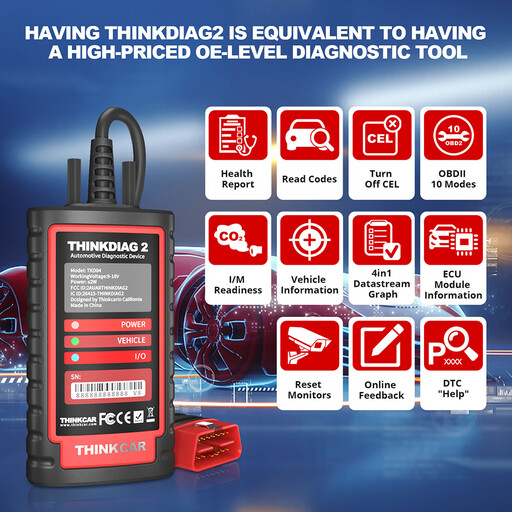
Why It Stands Out The THINKDIAG 2 is positioned as a tool for users with high demands. It offers OE-level diagnostic functions, including ECU coding and bidirectional control, which is not a given in this price range. Its support for the CAN FD protocol also makes it future-proof.
Pros
Who Is It For? For ambitious DIY mechanics and small workshops looking for a powerful and mobile all-brand car diagnostic tool and who are willing to manage a software subscription for advanced features after the first year.
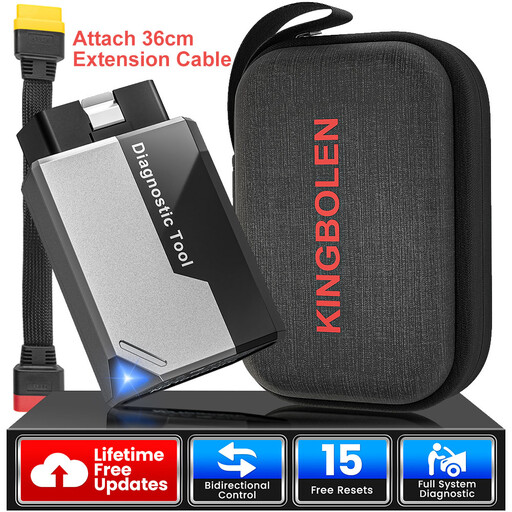
Why It Stands Out The main selling point for the KINGBOLEN Ediag Elite is its cost model: it offers lifetime free updates for all-system diagnostics, 15 reset functions, and even bidirectional control. This ensures full cost control with no recurring fees.
Pros
Who Is It For? Ideal for private DIY car owners who want a future-proof tool with extensive features and wish to avoid any follow-up costs from subscriptions.
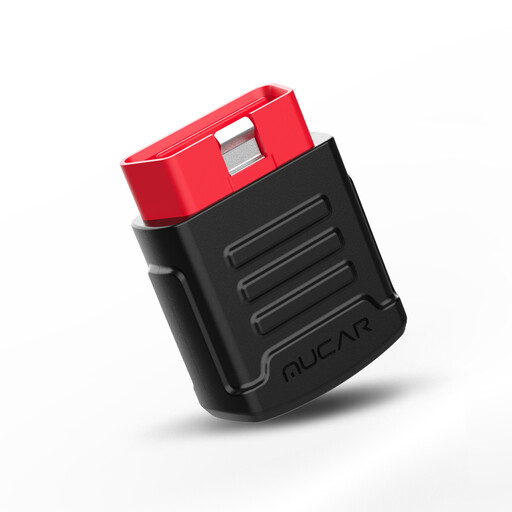
Why It Stands Out The MUCAR BT200 is a very budget-friendly entry-level solution. It offers lifetime free access to all-system vehicle diagnostics. Two important reset functions (Oil and SAS) are included free for one year for a single vehicle brand, making it an attractive package for beginners.
Pros
Who Is It For? Perfect for car owners who mainly want to read and clear fault codes from the entire vehicle and only occasionally need a service reset. The MUCAR BT200 is an excellent tool for quickly making a diagnosis and saving on workshop costs.
This selection covers common use cases. However, if you are looking for devices with more specific functions or for different budgets, it's worth taking a look at our wider range.
Discover a greater variety of diagnostic tools in our OBD2 Reset Tool category.
1. Can an OBD2 diagnostic tool really read all faults on all car brands? Devices advertised as "all-system" cover the most common control units like the engine, transmission, ABS, airbag, and body electronics on most vehicles. However, the exact coverage can vary depending on the vehicle manufacturer, model, and year. It is advisable to check the vehicle compatibility list provided by the diagnostic tool's manufacturer before purchasing to ensure your all-brand car diagnostic tool is suitable for the models you intend to service.
2. What is the difference between a simple fault code reader and a device with bidirectional control? A simple fault code reader works passively: it reads information that the vehicle provides, such as fault codes and live data. A device with bidirectional control can actively send commands to the vehicle. For example, you can use it to turn on the radiator fan, activate the fuel pump, or operate a power window. This function is extremely useful for testing the function of actuators and significantly speeding up troubleshooting.
3. Do I have to pay a subscription for these diagnostic tools? That depends on the model. There are several cost models: