Who should consider these options?

Households with specific allergen requirements

If you need to avoid certain ingredients, check the information for the specific bagel: the ingredients list, highlighted allergens and possible traces. The product name alone isn’t enough to make your choice.

People looking for gluten-free or lactose-free bagels

A gluten-free or lactose-free label doesn’t answer every question about allergens. The Poensgen, Schär and BenFit products listed by REWE have different recipes, which may include sesame, lupin, soya or milk protein.

Small households that don’t eat many bagels

If you only need a few bagels, you can weigh up a single bagel, a small pack or a multipack with suitable storage instructions. The recipe still needs to suit your individual needs.

What matters when buying bagels?

Start by comparing the allergen information for the specific product. Then you can decide whether a single bagel, a small pack or a pack you can freeze for later best suits how many you eat.

What matters What to check before buying Who it matters to
Specific allergens and traces Compare the current ingredients list, highlighted allergens and precautionary allergen information with the substances you need to avoid. If you’re buying loose bagels, ask for allergen information. If I need to avoid certain substances, I want to be able to assess each bagel recipe individually. Around 46% of consumers would make this allergen check their top priority when buying.
Gluten-free or lactose-free options Check the relevant label and the other ingredients. For example, REWE lists gluten-free wheat starch, sesame and sweet lupin flour in Poensgen’s 150-g sesame bagel. I’m looking specifically for a gluten-free or lactose-free bagel, but I also need to know what else it contains. For around 36% of consumers, finding this kind of product would be their main concern.
Suitable quantity and storage Compare the number of bagels and pack size with how many you plan to eat. If you’re buying a multipack, check the instructions for storing it once opened. For one meal, I don’t want to buy more bagels than I can use. That’s why around 18% of consumers would focus mainly on quantity and storage.

Common mistakes when choosing and storing bagels

  • Assuming ‘gluten-free’ means free from all allergens

    Gluten-free bagels may still contain other ingredients that matter to you. Depending on the product, the Poensgen, Schär and BenFit options listed by REWE may contain sesame, lupin, soya or milk protein; Schär also states that the product may contain traces of mustard.

    Check the full ingredient and allergen information for each product against the substances you need to avoid.

  • Buying more bagels than you can eat soon

    Even if the recipe is suitable, an opened multipack can leave you with bagels to use up. For Schär’s 400-g pack, REWE recommends sealing it again after opening and eating the bagels within a few days, or freezing them straight away.

    Before buying, work out how many you need. If you choose a larger pack, follow the storage instructions for that specific product.

  • Assuming sesame bagels are a safe choice for everyone

    For GUT&GÜNSTIG’s sesame bagels, EDEKA lists wheat, sesame and soya, as well as possible traces of other allergens. The ja! sesame bagels listed by REWE also contain wheat and soya, according to their product information.

    Check the information on the current pack rather than choosing based on the variety or appearance alone.

  • Assuming the recipe stays the same when the range changes

    ALDI SÜD says that its range changes regularly. So don’t assume that an ingredients list you checked once still applies to a bagel you buy later.

    Check the product information again and ask about any ingredients you’re unsure of before buying.

Bagel brands to consider

Schär

REWE lists gluten-free and lactose-free Schär bagels in a 400-g pack containing four portions.

  • According to REWE, you can reseal the pack after opening and eat the bagels within a few days, or freeze them straight away.
  • The stated recipe contains soya protein, and possible traces of mustard are listed.

Poensgen

REWE lists Poensgen gluten-free and lactose-free sesame bagels in a 150-g pack.

  • The small pack is worth comparing if you only plan to eat a few bagels.
  • The ingredients list includes gluten-free wheat starch, sesame and sweet lupin flour. These details matter if you need to avoid any of them.

BenFit

REWE lists gluten-free BenFit bagels in a 150-g pack. The nutritional information gives 16 g of protein per 100 g.

  • You can compare the pack size and protein content with other products whose ingredients are clearly listed.
  • The recipe contains milk protein, sesame and sweet lupin flour. REWE also lists possible traces of egg, soya and nuts.

GUT&GÜNSTIG

EDEKA sells GUT&GÜNSTIG sesame bagels in a twin pack of four, weighing 340 g.

  • Knowing how many bagels are in the pack makes it easier to work out how many you’ll need before buying.
  • EDEKA lists wheat, sesame and soya, as well as possible traces of egg, milk, nuts, lupin and sulphites.

ja!

REWE lists ja! sesame bagels in a 340-g multipack.

  • The pack advises eating the bagels within two days of opening, which can help you plan how many to buy.
  • The ingredients list includes wheat, sesame and soya. Possible traces of egg, milk, nuts and lupin are also stated.

A bagel snack for small households on Joybuy

This product is a small pack of crunchy bagel snacks. If you’re looking for a fresh or bake-at-home bagel, check not only the allergens but also whether this type of product suits the meal you have in mind.
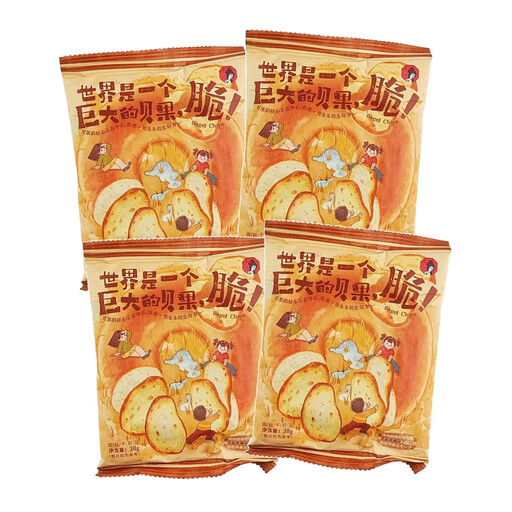
Modern China Tea Shop World is a huge bagel, pack of four bagel snacks

Modern China Tea Shop World is a huge bagel, 4 × 30 g

This pack of four 30-g bagel snacks may suit you if you’re looking for a small overall quantity.

Wheat, soya and milk powder are listed as ingredients for this product. Don’t choose it if you need to avoid any of these. Before buying, also check the current packaging information, including any precautionary allergen warnings, against the substances you need to avoid.

View on Joybuy

Questions about buying bagels if you have allergies

If I have an allergy, is ‘gluten-free’ enough?

No. The label doesn’t automatically tell you about the other ingredients or possible traces. The gluten-free Poensgen, Schär and BenFit bagels listed by REWE differ in ingredients such as sesame, lupin, soya and milk protein, so check the information for the specific product.

Do allergens have to be listed on packaged bagels in Germany?

Yes. The Federal Ministry of Agriculture, Food and Home Affairs explains that certain ingredients which can cause allergies or intolerances must be listed on the packaging. Check the information on the pack you’re actually buying.

What should I do with bagels left in an opened larger pack?

Follow the storage instructions for the specific product. For its 400-g pack of Schär bagels, REWE recommends resealing the pack after opening and eating the bagels within a few days, or freezing them straight away. Before buying, check that you can use the remaining portions this way.

How do I check allergens in loose bagels?

Before buying, ask for allergen information for the specific bagel and compare it with the substances you need to avoid. Don’t rely on the variety name alone or on whether you can see sesame.