
Lieferung heute & morgen

Qualitätsgarantie

Willkommens-Angebote freischalten: KOSTENLOSE Lieferung | Bis zu 80 % RABATT | Kostenlose 30-Tage-JoyPlus-Testphase
App herunterladen
The combination of melt-in-your-mouth chocolate and crunchy almonds is one of the most popular confectionery variations. But the selection on the shelf can be overwhelming: Milk or dark? Whole nuts or chopped pieces? With or without salt? This article serves as a guide to make your decision easier when buying chocolate with almonds. We'll introduce different varieties and highlight their specific characteristics to help you find the product that best suits your preferences.
To find the right chocolate for your taste, a few objective criteria can help with your selection.
The base of any almond chocolate is the chocolate itself. The three main types have distinctly different flavour profiles:
The cocoa content listed on the packaging is a good indicator of flavour intensity. A higher percentage usually means a richer and less sweet chocolate taste.
The texture of the chocolate is significantly influenced by how the almonds are processed.
The percentage of almonds, often stated in the ingredients list or on the front of the packaging, indicates how nutty the final product is.
There are also suitable options for consumers with special dietary requirements. A vegan chocolate with almonds completely omits animal-based ingredients like milk powder and is usually based on dark chocolate instead. The chocolate almond salt combination has also established itself as a popular flavour, where a pinch of salt contrasts the sweet character of the chocolate and enhances the nut aromas. For allergies or intolerances, always check the allergen information on the packaging.
Here you will find a selection of different products that cater to various tastes and requirements. If you wish to buy almond chocolate from this list, you can go directly to the product page via the respective link.
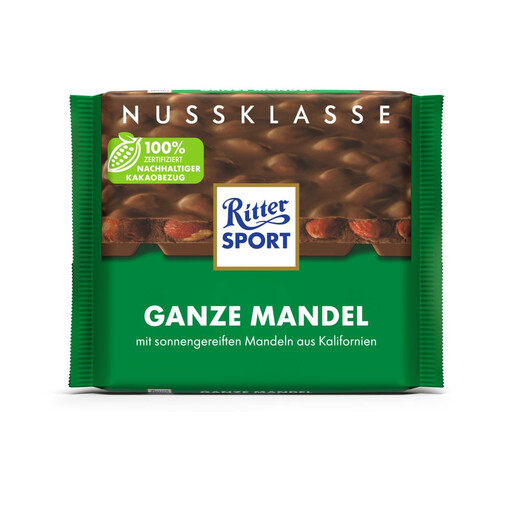
Why it stands out: This product is an established classic, known for its clear focus on two main components: milk chocolate and whole, roasted almonds. The high almond content of 25% is a key feature.
Key Features:
Who it's for: This product is aimed at lovers of the classic combination of creamy milk chocolate and the intense, crunchy bite of whole nuts. It is a straightforward choice for everyday enjoyment.
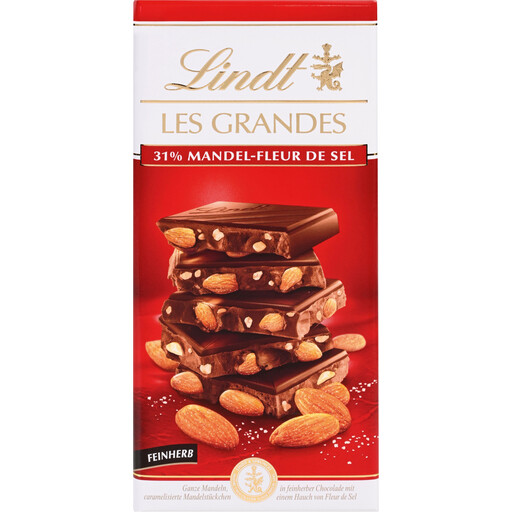
Why it stands out: The Lindt almond chocolate from the "LES GRANDES" range combines dark chocolate with whole almonds and a pinch of salt. The large-format bar and high almond content of 32% set it apart from other products.
Key Features:
Who it's for: Ideal for connoisseurs who prefer a more complex flavour profile. The combination of rich chocolate, the sweetness of caramelised almonds, and the salty accent appeals to consumers looking for a sophisticated chocolate almond salt option.
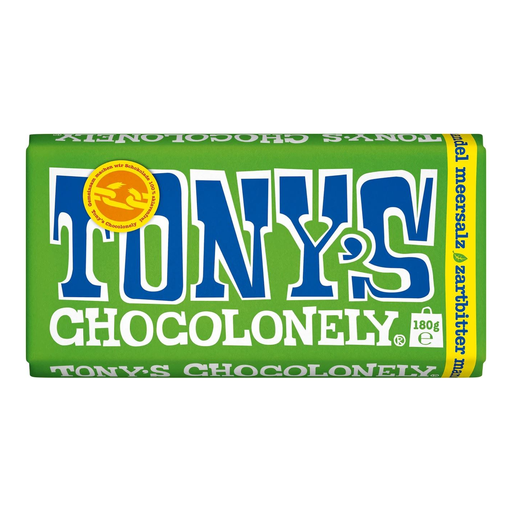
Why it stands out: This bar offers a vegan chocolate with almonds and sea salt. Another feature is the unevenly divided segments of the chocolate, designed to draw attention to inequality in the cocoa industry.
Key Features:
Who it's for: This product appeals to consumers specifically looking for vegan chocolate with almonds. The dark chocolate almond sea salt combination makes it a great choice for anyone who prefers a bold and sweet-salty flavour without animal products.
The world of almond snacks is diverse and offers much more than just chocolate. If you are curious about other products like roasted and salted almonds, almond bars, or other nut combinations, you can find more inspiration in our range.
? Explore our entire range of almond snacks here. (https://www.joybuy.de/explore/mandelsnack/0m7f5rRP)
1. What is the taste difference between chocolate with whole and chopped almonds? Chocolate with whole almonds offers a concentrated, very crunchy experience where the pure nut flavour is prominent. In chocolate with chopped almonds, the nutty texture is distributed more evenly, resulting in a more uniform mouthfeel where the chocolate and nut aromas blend more seamlessly.
2. What is the best way to store almond chocolate? Chocolate should be stored in a cool, dry place at a temperature between 15 and 18°C (59-64°F). Avoid direct sunlight and proximity to strong-smelling foods, as chocolate can absorb foreign odours. Storing it in the refrigerator is not ideal, as a whitish layer (sugar or fat bloom) can form, which, while harmless, affects the texture.
3. Which type of chocolate pairs particularly well with almonds? There is no one-size-fits-all answer, as it depends on personal preference. Milk chocolate enhances the mild sweetness of the almond and creates a creamy experience. Dark chocolate provides an intense contrast to the nutty aroma, thereby highlighting it. White chocolate results in a very sweet combination, where the almond provides a textural counterpoint.