
Lieferung heute & morgen

Qualitätsgarantie

Willkommens-Angebote freischalten: KOSTENLOSE Lieferung | Bis zu 80 % RABATT | Kostenlose 30-Tage-JoyPlus-Testphase
App herunterladen
The search for an effective deodorant that forgoes aluminium salts is becoming increasingly important. Many consumers want a formula that provides reliable protection against odour while being gentle on the skin and based on natural ingredients. The market offers a growing variety of products, which can make the choice difficult. This guide will help you understand how aluminium-free deodorant works and make an informed decision for your needs.
To find the right product, it's helpful to know a few basic criteria. The following points provide guidance for your selection.
A crucial difference lies in their function. Traditional antiperspirants use aluminium salts to temporarily narrow the sweat pores, thereby reducing sweat production. An aluminium-free deodorant, on the other hand, does not stop natural sweating—an essential process for regulating body temperature. Instead, it neutralises the bacteria on the skin that are responsible for causing unpleasant odours. Active ingredients like baking soda (sodium bicarbonate), zinc oxide, or certain minerals create an alkaline environment where odour-causing bacteria struggle to multiply. Other ingredients like cornstarch or diatomaceous earth absorb moisture and provide a drier skin feel.
A close look at the ingredients list is advisable, especially for sensitive skin. A deodorant for sensitive skin should ideally also be an alcohol-free deodorant, as alcohol can further irritate and dry out the skin, particularly after shaving. Many natural cosmetic deodorant products instead rely on nourishing components like shea butter, coconut oil, or aloe vera to soothe and moisturise the delicate underarm area. If you are prone to skin irritation, it may be wise to first choose a baking soda-free option, as baking soda can cause irritation for some people.
Aluminium-free deodorants are available in various formats that cater to different preferences and address sustainability concerns.
The choice of packaging can make a significant contribution to more eco-conscious consumption.
Here, we present three products tailored to different needs that are completely free of aluminium salts.
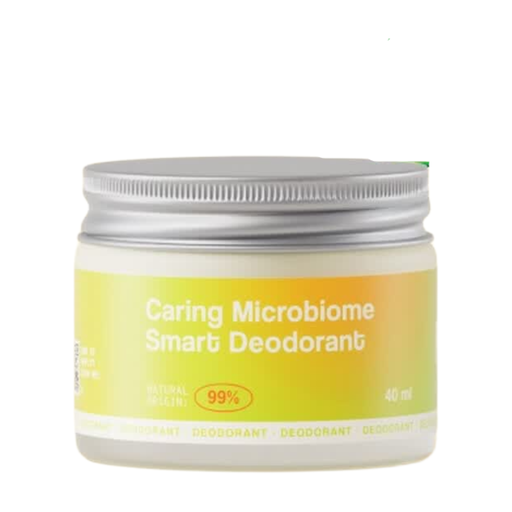
Why it stands out: This deodorant works with an innovative formula that balances the skin's natural microbiome. Instead of blocking sweat, it specifically inhibits odour-causing bacteria. The formula, with 99% natural ingredients including diatomaceous earth for moisture absorption, effectively protects and nourishes the skin.
Benefits:
Who it's for: For users seeking a science-backed, natural approach who value a healthy skin flora. Also suitable for use during pregnancy.
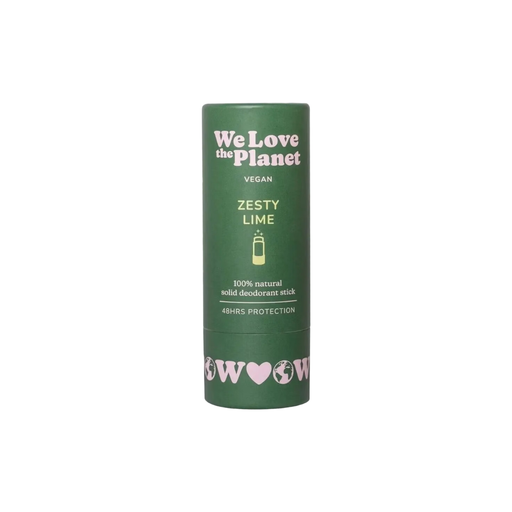
Why it stands out: This vegan deodorant stick combines effectiveness with a clear commitment to sustainability. The base of coconut oil, baking soda, and cornstarch reliably neutralises odours, while shea butter cares for the skin. The stick is packaged in a plastic-free cardboard tube, and its fresh citrus scent is suitable for all genders.
Benefits:
Who it's for: For eco-conscious consumers and vegans looking for an effective, plastic-free alternative in a solid format.

Why it stands out: Specially developed for the needs of sensitive skin, this roll-on provides up to 48 hours of protection, according to the manufacturer. The formula with organic aloe vera and natural minerals is free from aluminium salts and alcohol, making it particularly gentle on the skin—even right after shaving. As certified natural cosmetics, the formula is also biodegradable.
Benefits:
Who it's for: Ideal for individuals with very sensitive or irritation-prone skin who prefer a classic roll-on format and a certified natural cosmetic formula.
Haven't found the right product for you yet? No problem. There is a wide variety of other formulations and fragrances that might suit your individual preferences.
? Explore our full range of natural and organic deodorants here.
Yes, their mechanism of action is just different. Instead of inhibiting sweat production, aluminium-free deodorants neutralise the bacteria responsible for odour development. Natural ingredients like baking soda, zinc oxide, or antibacterial essential oils create an environment where these bacteria cannot thrive. Additional components like cornstarch or diatomaceous earth help to absorb moisture.
When switching from an antiperspirant to an aluminium-free deodorant, there can be an adjustment period of two to four weeks. During this time, your body re-regulates its natural sweat production. You might notice that you sweat more temporarily or experience a change in body odour. Patience is key here, as your body needs time to adapt to the new way of functioning.
No, by definition, an aluminium-free deodorant is not an antiperspirant. The term "antiperspirant" refers to products whose primary function is to reduce perspiration. This is typically achieved through the use of aluminium salts. A deodorant, in contrast, aims exclusively to prevent or mask body odour without blocking the natural function of sweating.