
Lieferung heute & morgen

Qualitätsgarantie

Willkommens-Angebote freischalten: KOSTENLOSE Lieferung | Bis zu 80 % RABATT | Kostenlose 30-Tage-JoyPlus-Testphase
App herunterladen
Aluminium is an indispensable part of our daily lives. Its properties—lightweight, corrosion-resistant, and a modern aesthetic—make it a popular material for a wide range of products, from lightweight cookware to robust tools. However, not all aluminium products live up to their claims. Many consumers invest in items that quickly prove to be impractical or short-lived. This guide will show you the common pitfalls and the objective criteria you should look for to find durable and functional products.
Before making a purchase, it's helpful to know the most common problems that often only become apparent after you buy.
To make an informed decision, you should check three core parameters. These will help you objectively evaluate a product's quality.
The type of aluminium is a key determinant of durability and functionality.
The surface is crucial not only for aesthetics but also for function.
A product's quality is often revealed in the details. Examine handles, hinges, and joints. Are the handles securely riveted or screwed on? Are they made of a heat-insulating material like Bakelite or silicone? For folding mechanisms, such as on transport carts, the joints should be free of play and move smoothly to ensure safe handling.
Here are some product recommendations tailored to specific user profiles and the quality criteria mentioned above.
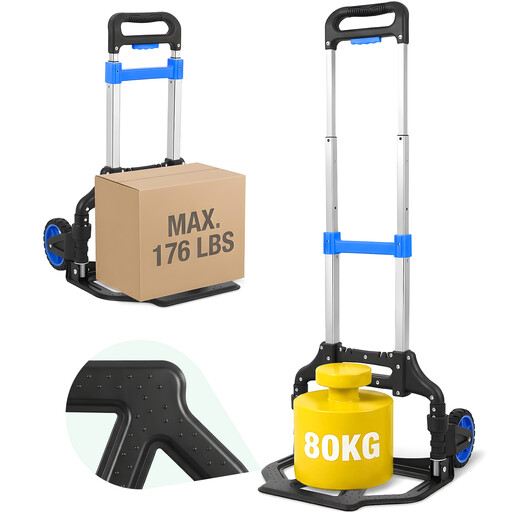
Why It's a Match: Ideal for weekly grocery runs, transporting beverage crates, or moving packages without straining your back. Its compact, foldable design makes it the perfect helper for apartments with limited storage space.
This model bypasses the "lightweight trap" with a clearly defined load capacity of 80 kg and a frame made of high-quality, lightweight aluminium designed for stability.
Weighs only 3.5 kg and folds down to a width of 5.7 cm. The telescopic handle is adjustable to three different heights for ergonomic use.
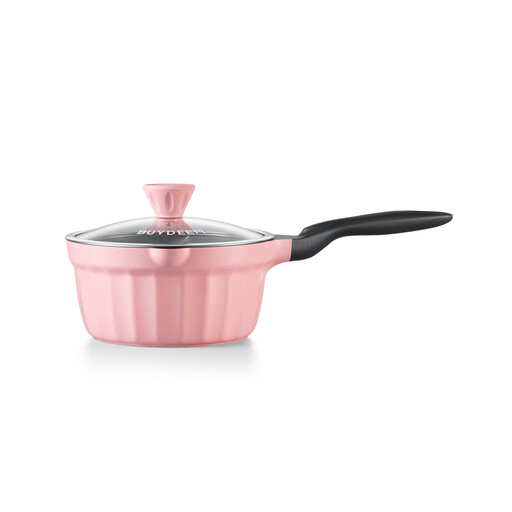
Why It's a Match: Perfect for preparing sauces, heating milk, or cooking smaller portions where precise heat control and reliable non-stick performance are essential.
Addresses the "coating bluff" with a Swiss ceramic coating that is free of PFAS, PFOS, and PFOA. The body, made of cast aluminium, ensures durability and even heat.
Fast, even heat distribution for consistent cooking results. Suitable for all hob types, including induction.
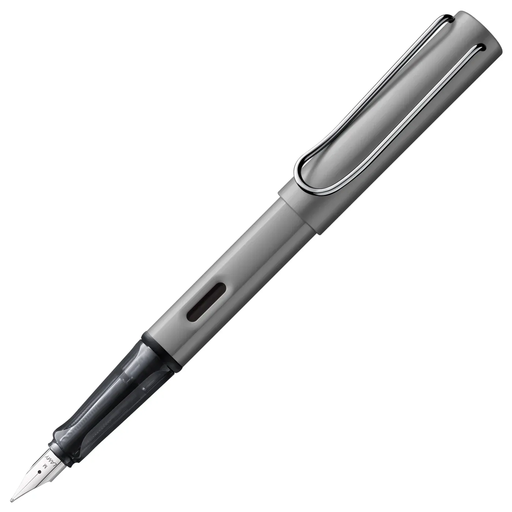
Why It's a Match: A design classic for professionals, students, and enthusiasts of fine writing who value tactile feel, aesthetics, and reliable everyday function.
This product avoids the pitfall of poor material specification. It is made of high-quality, anodised aluminium, renowned for its scratch resistance and durability—a core competency of the brand.
The feather-light yet robust body, combined with the ergonomic grip, allows for comfortable and fatigue-free writing over long periods.
We've compiled a complete, up-to-date list of products that fully meet these strict selection criteria and German safety regulations.
Not automatically. Aluminium itself is not magnetic. For aluminium cookware to work on an induction hob, it must have a ferromagnetic base. Look for the induction symbol (a stylised coil) or the phrase "suitable for all hob types" in the product description.
The proper care depends on the surface. For coated cookware, washing by hand with a soft sponge is often recommended to extend the life of the non-stick layer. Avoid metal utensils and abrasive scouring agents. For rust-proof everyday items made of anodised aluminium, a damp cloth is usually sufficient for cleaning.
Modern aluminium pans and pots are typically sealed with high-quality non-stick coatings or through anodisation. This barrier prevents aluminium from leaching into food. With uncoated aluminium, prolonged contact with very acidic or salty foods should be avoided. Always follow the manufacturer's instructions for use.