
Lieferung heute & morgen

Qualitätsgarantie

Willkommens-Angebote freischalten: KOSTENLOSE Lieferung | Bis zu 80 % RABATT | Kostenlose 30-Tage-JoyPlus-Testphase
App herunterladen
A high-quality aluminum sun lounger promises relaxing hours on the patio, balcony, or by the pool. It's lightweight, modern, and known for its durability. However, the market is flooded with models whose true quality only becomes apparent after the first season—often revealing itself through faded colors, rust spots, or unstable joints. As a Joybuy Product Recommendation Officer, I'll help you identify the crucial features and distinguish marketing promises from verifiable product quality.
Many buyers are swayed by attractive product photos and generic descriptions. However, costly defects often hide in the details. Pay close attention to these three points to avoid a bad purchase:
To make an informed decision, you should focus on objective, technical specifications. These three aspects are crucial for the longevity and comfort of your sun lounger.
The frame is the core of any good lounger. While pure aluminum is lightweight, it's susceptible to scratches and oxidation. A high-quality aluminum sun lounger is distinguished by an additional surface treatment:
The fabric sling is a key factor in both comfort and durability. Modern loungers often use a mesh fabric, typically a blend of PVC and polyester. This material is breathable and dries quickly. The crucial factor here is UV resistance, often specified according to standards like ISO 105-B02. A higher class (e.g., Class 4 or 5) indicates better colorfastness under intense sunlight.
A good reclining lounger is adjustable. Pay attention to the number of backrest positions offered—four to six levels is a good standard for flexible relaxation, from sitting upright to lying completely flat. An aluminum lounger with wheels significantly increases flexibility. It can be moved effortlessly across the patio without scratching the surface or requiring heavy lifting.
Based on these objective criteria, we have identified several models that are well-suited for specific user profiles.
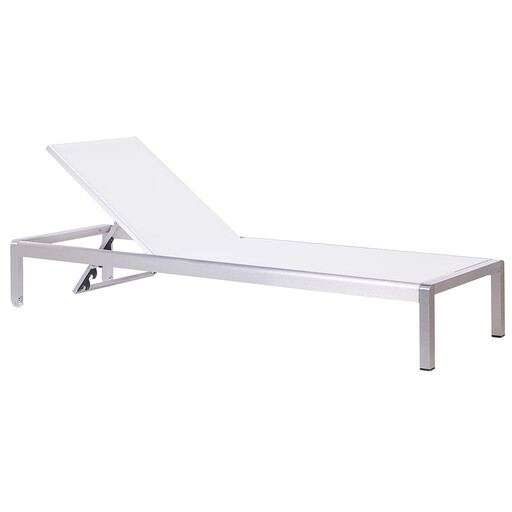
Why This Fits Their Persona: Ideal for users who appreciate a clean, modern design and high-quality craftsmanship. The brushed, anodized aluminum frame adds a stylish accent to any garden or minimalist patio.
The anodized frame isn't just a coat of paint; it's a deep surface treatment that provides genuine protection against corrosion and scratches, thus avoiding the "weather-resistant" trap.
Pros: High-quality, brushed aluminum frame; Class 4 UV resistance (per ISO 105-B05); integrated wheels for mobility.
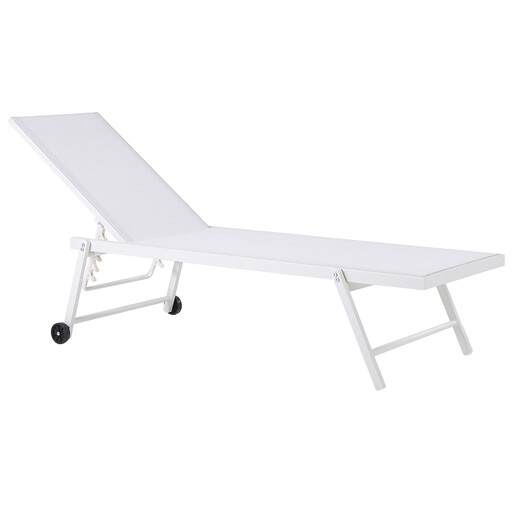
Why This Fits Their Persona: Perfect for those who frequently move their lounger between sunny and shady spots. Its low weight and wheels make relocation effortless.
This model solves the problem of poor mobility. Instead of a rigid, heavy design, it offers a lightweight (8 kg) yet sturdy powder-coated frame with two wheels.
Pros: Highly mobile thanks to wheels and low weight; 5-position adjustable backrest; high UV resistance (Class 5, ISO 105-B02).
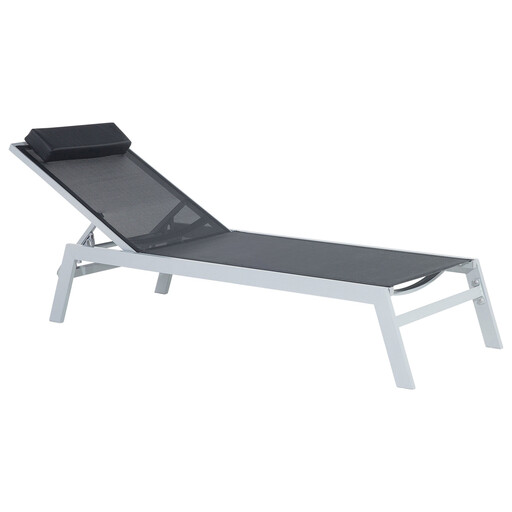
Why This Fits Their Persona: For users who prioritize maximum relaxation and a robust build. The high weight capacity and included cushion provide an extra layer of comfort.
With a weight capacity of 190 kg and a stable, 6-position mechanism, this model counters the trap of flimsy construction. Its robust frame is designed for intensive use.
Pros: High maximum weight capacity (190 kg); 6-position adjustable backrest; removable headrest pillow for added comfort.
If you prefer a more upright sitting position, we have curated a selection of products that also meet high standards for quality and safety.
Maintenance is straightforward. Regularly clean the aluminum frame with a mild soap solution and a soft cloth. Avoid abrasive cleaners. The mesh fabric can be cleaned with an upholstery cleaner or a damp brush. To preserve the colors and materials for many years, it is recommended to cover the lounger with a protective cover when not in use or to store it in a dry, cool place during the winter.
Aluminum itself doesn't rust in the traditional sense (like iron or steel), but it does form a protective oxide layer. The powder coating seals the material, offering highly effective protection against corrosion and weathering. As long as this coating remains intact, the lounger is virtually rust-proof. If deep scratches expose the bare metal, superficial changes could theoretically occur, but they will not affect the lounger's stability.
UV resistance, often classified by standards like ISO 105-B02 or B05, indicates how well a fabric's color resists fading from sunlight. The scale typically ranges from 1 (very low resistance) to 8 (excellent resistance). A lounger with a Class 4 or 5 rating offers good protection for typical summer use, ensuring the colors remain vibrant even after several seasons.