
Lieferung heute & morgen

Qualitätsgarantie

Willkommens-Angebote freischalten: KOSTENLOSE Lieferung | Bis zu 80 % RABATT | Kostenlose 30-Tage-JoyPlus-Testphase
App herunterladen
Aluminium foil bags for food storage can protect food from light and odour transfer while saving space. However, not every foil bag is equally suitable for families, meal-prep users, campers or households with limited storage space. The key factors are the material construction, closure, size and intended temperature range.
Many foil bags are made from a multi-layer composite material. According to the product description, the Maxcook model consists of PET, aluminium and PE. This is different from a bag made from solid aluminium foil. Depending on the design, the composite may provide barriers against light and moisture, but it remains vulnerable to sharp edges and mechanical stress.
If you often pack meat with bones, frozen food with hard edges or sharp foods, avoid overfilling the bags and place the contents inside carefully.
A slider closure can make opening and closing easier. However, whether an aluminium foil bag with a zip closure stays leak-proof also depends on the fill level, the way the closure is operated and the contents. Liquids, marinades, pickled foods or flour may escape under pressure and movement, or put strain on the closure.
For moist foods, we recommend:
Reusable freezer bags must be cleaned and dried thoroughly after every use. Traces of fat, salt or strongly scented foods can leave lingering odours. If you notice visible tears, damaged coating or a zip closure that no longer closes reliably, stop using the bag.
A PET-aluminium-PE composite can block light and limit moisture. This is relevant for fresh food storage bags for the fridge and freezer, but it does not replace correct refrigeration or freezing. How long food actually lasts depends on factors including temperature, its condition when stored, hygiene and storage time.
Look out for:
According to the product description, the Maxcook bags listed are designed for a range of -20 °C to 100 °C. This does not mean they can be used in an oven, microwave, boiling water or on a hob. These applications are excluded according to the safety instructions.
A slider closure is practical if bags are opened regularly. A stand-up design makes filling and labelling easier. A label-friendly storage bag is particularly useful for meal prep: you can write the contents and date directly on the bag.
Size is also important when choosing:
Extra-strong aluminium foil is better suited to wrapping, covering and securing than to storing liquids over long periods. Thicker foil is less likely to tear during wrapping, but it is not a substitute for a sealable bag.
For camping and picnics, insulating foil bags or aluminium foil mats are a separate product category. A thin aluminium foil camping mat can act as a moisture barrier on the ground. However, it is not automatically a complete sleeping mat for cold nights.
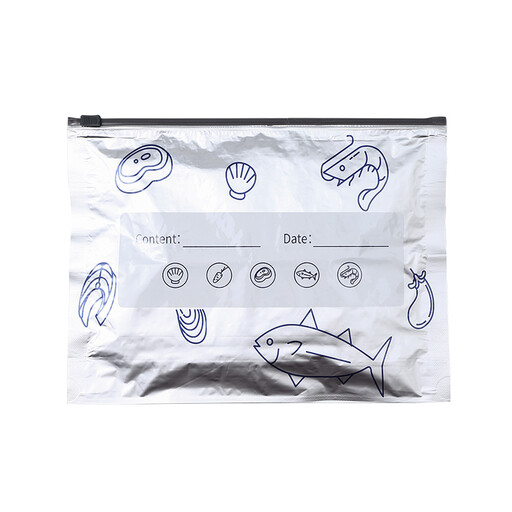
Why this product suits the profile: The medium-sized pack of ten bags is designed for smaller households, prepared portions and regular use in the fridge or freezer.
The writable area makes it easier to keep track of dates. The slider closure runs across the entire opening rather than simply folding the bag over.
PET-aluminium-PE composite, stand-up design, writable area and, according to the product information, a temperature range of -20 °C to 100 °C.
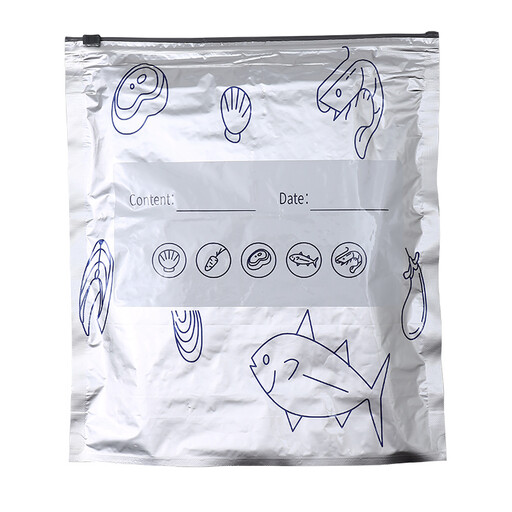
Why this product suits the profile: The larger format offers more capacity for vegetables, meat, fish or several prepared portions, and can be stored upright.
The precise size specification helps prevent disappointing purchases based on unclear product images. According to the description, the bag is not intended for heating or use near naked flames.
26 × 29 × 7 cm, slider closure, stand-up design and writable area; designed to be cleaned with mild detergent and dried thoroughly in the air.
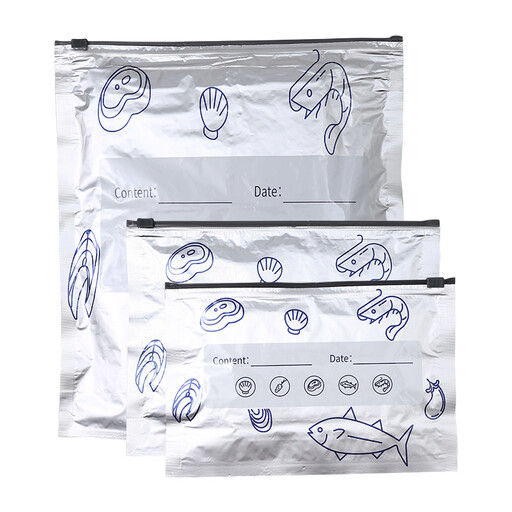
Why this product suits the profile: The set contains ten bags in each of three sizes, making it suitable for families, regular bulk storage and extensive meal prep.
Three clearly specified formats reduce unnecessary empty space. However, the warnings about sharp objects, moisture and heat still need to be observed.
30 bags in 20 × 13 × 5 cm, 23 × 17 × 5 cm and 26 × 29 × 7 cm; washable according to the description and featuring a writable label area.
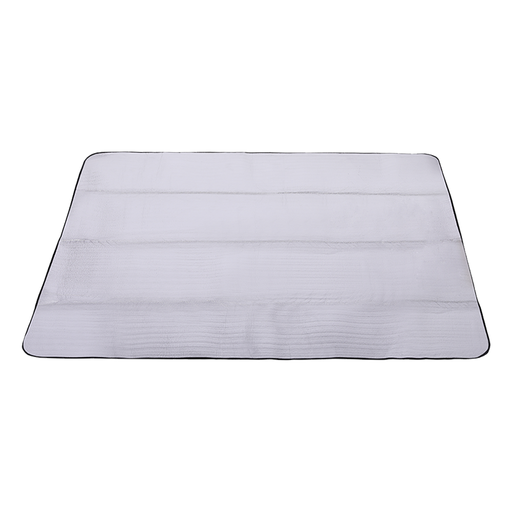
Why this product suits the profile: The mat is designed for hiking, the beach, picnics and as a simple moisture barrier inside a tent.
The product description explicitly points out its thin construction and limited suitability for cold overnight stays. Gravel and naked flames should be avoided.
180 × 200 × 0,25 cm, packed size 52 × 18 × 18 cm, weight approximately 0,3 kg; wipe-clean, water-repellent surface and rollable design.
We have put together a complete, regularly updated list of products that fully meet these strict selection criteria and the safety regulations applicable in the EU.
Before first use, reusable bags should be cleaned with mild detergent and water, then dried thoroughly. After filling, it is best to store them as flat as possible in the freezer, provided the contents are suitable for this. Label the type of food and freezing date so that older supplies can be used first.
Aluminium foil bags must not be placed in a microwave, oven or boiling water, or used near naked flames. For warm foods, follow the relevant manufacturer’s instructions and allow them to cool safely for the recommended time. According to the product description, the Quickpack Aluminum Foil Premiumline Extra Strong, 15 metres, is suitable for wrapping, covering and securing with Power Clips. It should not be confused with a resealable freezer bag.
That depends on the individual product. According to the product description, the Maxcook bags mentioned have a stated temperature range of -20 °C to 100 °C. Before buying, check whether the specific model is explicitly intended for freezer use. The bags must not be heated, however.
There is no standard lifespan that applies in every case. It depends on cleaning, the contents, how often the bag is opened and the level of mechanical stress. If there are tears, holes, delaminated coating or a leaking closure, replacing the bag is advisable.
Repeated use can reduce the amount of material consumed per application. However, it is not possible to make a general environmental assessment without information about production, cleaning, service life and disposal. For an informed decision, reuse the bags only for as long as they remain clean, undamaged and fully functional.