
Lieferung heute & morgen

Qualitätsgarantie

Willkommens-Angebote freischalten: KOSTENLOSE Lieferung | Bis zu 80 % RABATT | Kostenlose 30-Tage-JoyPlus-Testphase
App herunterladen
As a Joybuy Product Recommendation Officer, I see every day how difficult choosing the right cookware can be. A new aluminum induction pot promises modern, lightweight cooking, but the reality is often different. Many buyers get frustrated when their new pot heats unevenly on the induction hob or its coating starts to fail after just a few weeks. This guide will help you identify the crucial features and avoid common purchasing pitfalls.
Before you make a decision, you should be aware of the most prevalent problems that often only become apparent after the purchase.
To avoid a bad purchase, focus on three technical aspects that determine the longevity and performance of your pot.
For a pot for induction, a thick, fully-clad ferromagnetic base is essential. This is the only way for the hob's magnetic field to transfer energy optimally and evenly across the entire pot base. Look for terms like "full-surface induction base" or "thick capsule base." A simple test: if a magnet holds strongly and flatly across the entire outer base, that's a good sign.
Not all aluminum is created equal. The manufacturing method significantly influences weight and thermal properties.
A good non-stick coating should be resilient and durable. There are two main types:
Regardless of the type, proper care is crucial: avoid metal utensils, overheating the pot when empty, and preferably clean it by hand.
Here are some recommendations tailored to different user profiles that meet the quality criteria mentioned above.
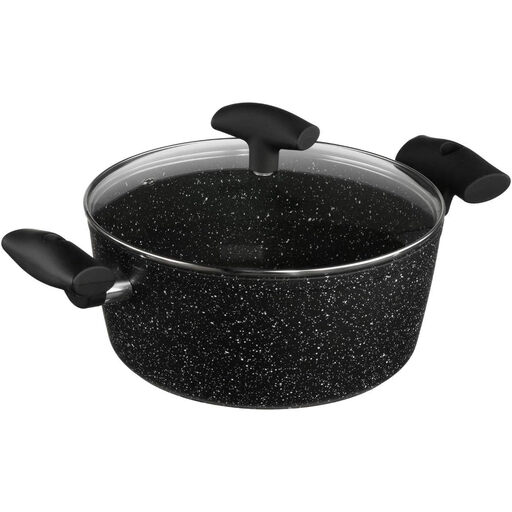
Why This Fits Their Persona: Ideal for daily use in households looking for functional and affordable basic equipment. The low weight from forged aluminum makes it easy to handle.
The pot features an explicitly stated stainless steel induction base, which ensures better heat distribution than simple magnetic spots, thus bypassing the "induction-ready" deception.
Lightweight and fast: As a lightweight pot made of forged aluminum, it heats up quickly. Includes a matching glass lid to monitor the cooking process.
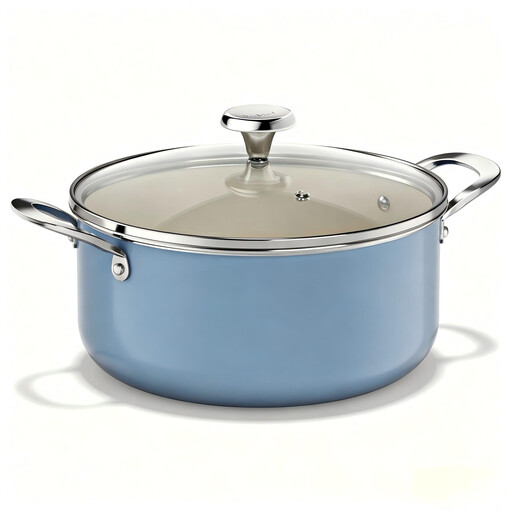
Why This Fits Their Persona: Perfect for cooks who value specific material compositions and are looking for an alternative to classic PTFE coatings. Ideal for gentle, low-fat cooking.
This product goes beyond the standard "PFOA-free" claim by explicitly stating, according to the manufacturer, that its ceramic coating is free of PFAS, PTFE, lead, and cadmium.
Specific Ceramic Coating: Offers an alternative for users who consciously want to avoid PTFE. High Oven-Safe Temperature: Usable up to 450°C (without lid), according to the manufacturer.
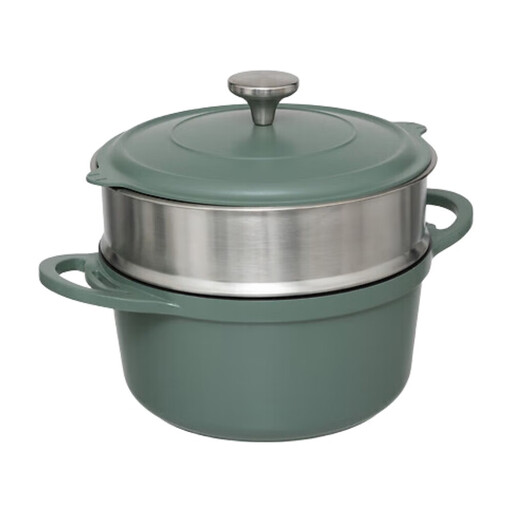
Why This Fits Their Persona: For anyone looking for more than just a simple pot. This set combines the functions of a stew pot with those of a steamer, maximizing culinary possibilities.
Instead of a simple non-stick function, this cast aluminum pot's material thickness provides excellent heat retention, making it a durable stew pot and protecting the coating from rapid wear due to heat spikes.
Multifunctional: Serves as a stew pot and steamer thanks to the included steamer insert. Even Heat Distribution: The cast aluminum construction ensures constant cooking temperatures.
We have compiled a complete, up-to-date list of products that fully meet these strict selection criteria and German safety regulations.
The easiest way is the magnet test. Hold a standard magnet to the bottom of the pot. If the magnet sticks strongly across the entire surface, the pot is suitable for induction. If it only sticks weakly or in one small spot, its performance on an induction hob will likely be inadequate.
Avoid using sharp-edged metal kitchen utensils. Instead, use tools made of wood, silicone, or plastic. Never heat the pot empty on the highest setting, and clean it by hand with a soft sponge and mild dish soap after it has cooled down. Even if many pots are declared dishwasher-safe, hand washing can significantly extend the life of the coating.
Not necessarily; it depends on the intended use. A heavy cast aluminum pot is unbeatable when it comes to retaining and evenly distributing heat—ideal for stews. A lightweight pot made of forged aluminum, on the other hand, is more practical for quick cooking, as it heats up rapidly and is easier to handle. Your choice should be based on your cooking habits.