
Lieferung heute & morgen

Qualitätsgarantie

Willkommens-Angebote freischalten: KOSTENLOSE Lieferung | Bis zu 80 % RABATT | Kostenlose 30-Tage-JoyPlus-Testphase
App herunterladen
Well-chosen ambient lighting can transform an ordinary room into a personal sanctuary of well-being. However, the market is filled with products whose marketing promises often outshine the lamps themselves. Many buyers are left frustrated by washed-out colours, unreliable technology, or disappointing battery life. Before you make a decision, it's crucial to understand the typical pitfalls to avoid a poor investment.
This guide focuses on the objective criteria that truly matter, helping you find the right ambient light for your needs—whether for a gaming room, as a modern night light, or as a stylish decorative element.
The selection can be overwhelming. However, many products fail to meet basic requirements that only become apparent in everyday use after the purchase. Pay special attention to these three points:
Smart ambient lighting is only as good as its software. Frequent Wi-Fi connection drops, a complicated setup process, or a poorly translated, illogical app quickly turn smart control into a nuisance. The promised integration into smart home systems often works only to a limited extent.portable, battery-powered lamp, usage time is critical. Models with low battery capacity need constant charging, losing their portable advantage. Furthermore, manufacturers often cut corners on material quality. Cheap plastic not only feels inferior but can also pose safety concerns in a children's room night light.To avoid these pitfalls, you should focus on verifiable technical specifications. These three parameters are crucial for the quality and functionality of an ambient light.
The type of LEDs and their control system determine the visual quality.
gaming room lighting or TV backlighting.dimmable LED table lamp should allow for smooth, stepless brightness adjustment. Also, check if various shades of white (from warm white to cool white) are available in addition to RGB colours to enable functional lighting.light with a touch sensor offers quick access to basic functions. For advanced settings, schedules, and synchronisation with music or games, stable app control is essential.The design determines the intended use.
color-changing bedside lamp or a modern desk lamp is a self-contained unit that can be placed flexibly. Models with an integrated battery offer maximum portability. Look for the battery capacity (in mAh) and a modern USB-C charging port.RGB LED strips are ideal for indirect and architectural lighting. They are usually installed behind monitors, TVs, under cabinets, or along skirting boards. Check the length of the strip and whether it can be cut to size or extended.Material choice is particularly important for lamps operated within reach of children.
children's room night light, soft, BPA-free silicone is suitable. It is robust, easy to clean, and does not get hot during operation.Instead of making a one-size-fits-all recommendation, we have identified products that excel at meeting specific user profiles.
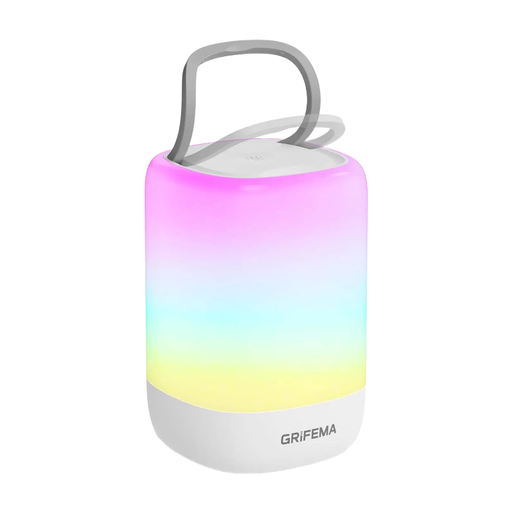
Why This Fits Their Persona: Ideal for users seeking a straightforward, portable solution for various rooms. Whether as a bedside lamp, a safe children's night light, or for the patio, the combination of battery operation and simple touch control makes it extremely versatile.
Avoids the pitfall of short battery life with a 1500mAh battery (up to 15 hours, according to the manufacturer) and sidesteps complex controls with an intuitive touch sensor.
High portability thanks to battery operation and USB-C charging. The silicone shade is safe and easy to clean, ideal for use in a child's room.
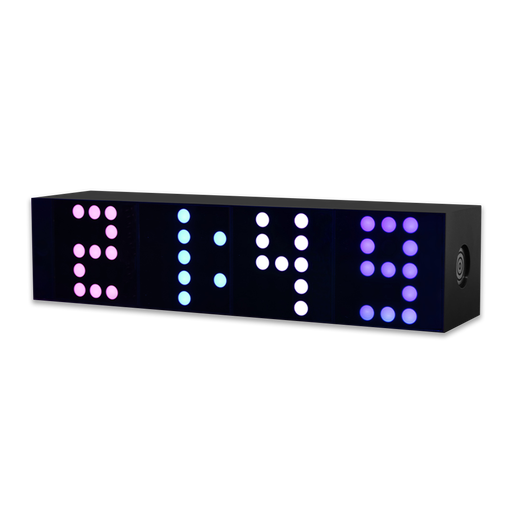
Why This Fits Their Persona: Perfect for gamers and tech-savvy users who want to enhance their desk or gaming setup with customisable, dynamic effects. The modular design allows for creative and individualised lighting installations.
Tackles the problem of unstable connectivity by integrating with established smart home ecosystems and a mature app. The matrix LEDs enable precise colour control, avoiding pale, inaccurate colour representations.
Modular, expandable system for a high degree of customisation. Comprehensive app control with synchronisation to music and games (e.g., via Razer Chroma).
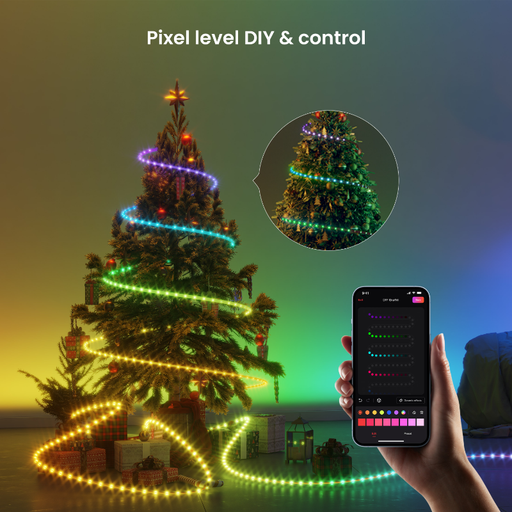
Why This Fits Their Persona: The right choice for anyone looking to create accents with indirect light. Ideal for TV backlighting, under kitchen cabinets, or for outlining furniture to create a professional-looking atmosphere.
Solves the problem of poor colour representation by using RGBIC technology. This enables smooth colour gradients and dynamic scenes that are not possible with simple RGB strips.
Allows the simultaneous display of multiple colours on one strip for impressive visual effects. The system is flexibly extendable with 1-metre extensions (sold separately).
We have compiled a complete, real-time list of products that fully satisfy these strict selection criteria and UK safety regulations.
An RGB strip can only display a single colour across its entire length at any given time. While you can change the colour, all LEDs will always light up identically. An RGBIC strip has chips that allow for segment-by-segment or even individual control of the LEDs. This makes it possible to display multiple colours simultaneously, enabling smooth colour gradients and complex animations.
The battery life heavily depends on the battery's capacity (measured in milliampere-hours, mAh) and the set brightness level. A lamp with 1500 mAh can often last 10-15 hours or more on low brightness, but only a few hours on maximum brightness. Pay attention to manufacturer specifications and compare battery capacity as an objective value.
Not necessarily. Many modern smart lights connect directly to your router via Wi-Fi and are controlled by an app. A separate hub or bridge is often only required for systems based on other wireless standards like Zigbee or Z-Wave. Wi-Fi-based products are generally easier for beginners to set up.